Bare-root pre-orders are open, shipping late January|Every plant guaranteed|Trusted by 20,000+ growers

White Currant (1301)

$14.99

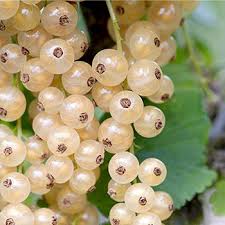
White Currant 1301 carries translucent golden-white berries with a mild sweet flavor on large, easy-to-harvest clusters, bred for productivity and disease resistance.

  • Large clusters that are quick and easy to harvest.
  • Cooks to a pale amber rather than a red preserve.
  • Good fresh and excellent in jams, jellies and sauces.
  • Selected for the practical things: yield and clean foliage.
  • Self-fertile; one bush sets a full crop, and a second currant nearby increases berry size.

Shop both locations freely. Picking up? Choose your location at checkout. Shipping? Stock location does not matter, we will handle it. Combined orders may take 3 to 7 days.

Total in stock: -

Add to Wishlist
Add to Wishlist
Arrives healthy, guaranteed. Problem within 14 days? Send a photo and we replace it or credit you.
Ships in 1 to 4 business days from our nursery in Washington state, in a 36 inch box.
SKU: White Currant (1301) Categories: , Tag:
From our inbox

I have been buying from your nursery for years, and hands down your citrus has survived the best out of all of my sources. I have never lost a plant in my colder climate.

Returning customer

The plants look beautiful and healthy. I was impressed by the size and strength of the 3-Cherry Tree.

Jose

It looks like it is at least 7 feet tall. I certainly was not expecting it to be that big.

Lisa

Description

White Currant 1301 is a selection made for the practical things: it is productive, it resists disease, and it carries its fruit on large clusters that come off the bush quickly.

The berries are translucent and closer to golden than to pure white, with the mild sweetness that makes white currants so much easier to eat fresh than their red siblings. They work equally well in jam, jelly and sauce, where the pale colour gives a very different result from a red currant.

Overview

  • Translucent golden-white berries, mild and sweet.
  • Large, quick-picking clusters.
  • Productive and disease resistant.
  • Good fresh and in pale jams, jellies and sauces.

Growing Details

Latin Name: Ribes rubrum ‘1301’
Site and Soil: 1/2 day to full day of sun; rich, moist, well-drained soil
Hardiness: Hardy to USDA Zone 3
Rootstock: Grown from cuttings
Bearing Age: Light crop the year after planting; full crops by the third or fourth year
Size at Maturity: Upright and compact, about 3 to 5 ft tall and wide
Ripening Time: Mid season; July into August
Pollination: Self-fertile; one bush sets a full crop, and a second currant nearby increases berry size

Additional Notes

  • Grower’s Insight: Golden-white currants cook to a pale amber rather than a red. Worth knowing before you plan the jars.
  • Regional Insight: Currants are cool-climate fruit, at their best where summers stay moderate and winters are properly cold.
  • Explore more berries in our collection: Berries

Planting & Care

At a Glance – 1301 Currant

  • Sun: 1/2 day to full day of sun
  • Soil: Rich, moist, well-drained soil
  • Water: Steady moisture through fruiting; currants dislike drying out
  • Size: Upright and compact, about 3 to 5 ft tall and wide
  • Pollination: Self-fertile; one bush sets a full crop, and a second currant nearby increases berry size
  • Harvest: Midsummer
  • Hardiness: Hardy to USDA Zone 3

Planting & Care – 1301 Currant

Site Selection

  • Half a day to a full day of sun, with afternoon shade where summers run hot.
  • Give the site air movement; crowded currants hold damp.

Soil Preparation

  • Work in plenty of compost; currants are hungry and want moisture held.
  • Rich, moist, well-drained ground suits them best.

Planting Instructions

  1. Dig a hole twice the width of the root ball.
  2. Set the plant an inch or two deeper than it grew, to encourage new canes.
  3. Backfill, firm gently, and water thoroughly.
  4. Mulch 2 to 3 inches deep, kept clear of the stems.

Watering & Fertilizing

  • Keep the roots evenly moist; currants drop fruit if they dry out.
  • Feed in early spring with a balanced fertilizer.

Pollination

  • Self-fertile, and a second currant nearby gives larger berries.

Pruning & Training

  • Prune in late winter while the bush is dormant.
  • Prune out the oldest wood each winter to keep young fruiting canes coming.

Harvest & Use

  • Pick whole clusters once the berries turn fully translucent.
  • Fresh, or cooked into a pale amber jelly.

General Tips

  • Mulch every spring; shallow currant roots want cool, moist ground.

No reviews of this plant yet.