Discover the Secrets of Growing Cornelian Cherry
Your Ultimate Guide to Cornelian Cherries
Beautiful, resilient, early-blooming fruit trees with ornamental appeal and delicious cherry-like fruit.
Why Choose Cornelian Cherry?
An Introduction to Cornelian Cherry
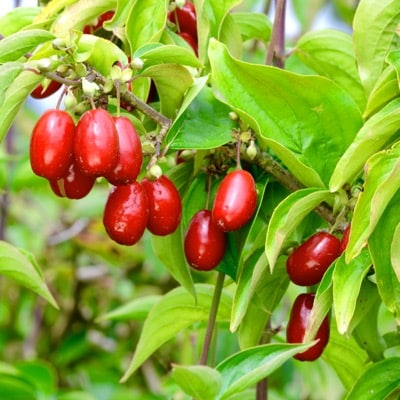
Cornelian Cherry (Cornus mas) is a tough, beautiful, and surprisingly productive fruiting shrub or small tree. Covered in clouds of yellow blossoms in late winter to early spring, it brings color to the garden long before most plants wake up. By late summer to early fall, those flowers turn into bright red or yellow, olive-shaped fruits with a flavor somewhere between tart cherry and cranberry.
Its natural hardiness, wide soil tolerance, and strong ornamental value make Cornelian Cherry an excellent choice for home orchards, edible hedges, or low-maintenance landscapes. It thrives in a range of climates, performs well with minimal pruning, and offers fruit that can be eaten fresh or turned into jams, syrups, sauces, and liqueurs.
Understanding Climate Needs
Optimal Growing Conditions
Cornelian Cherry is well-suited to temperate climates and typically thrives in USDA Zones 4 through 8. It handles cold winters exceptionally well and is a great option where other fruiting shrubs struggle. It prefers areas with distinct seasons and does especially well where summers are warm but not blistering.
Temperature Tolerance
Once established, Cornelian Cherry is remarkably cold hardy, tolerating winter temperatures down to about –20°F or lower, depending on the variety and site. Its small yellow flowers appear very early in the season but are surprisingly tolerant of light frost, making it a reliable bloomer even in erratic springs.
Sunlight and Humidity
Cornelian Cherry grows best in full sun to light partial shade. In cooler regions, full sun maximizes flowering and fruit production. In hotter summer climates, a bit of afternoon shade can help reduce stress. It tolerates a range of humidity levels and is generally unfussy as long as the soil drains reasonably well.
Ready to Plant Cornelian Cherry?
See which varieties are in stock right!
Optimal Soil Conditions for Cornelian Cherry
Cornelian Cherry is adaptable but performs best in well-draining loam with a slightly acidic to neutral pH, roughly between 6.0 and 7.5. It will tolerate heavier or lighter soils once established, but it appreciates soil that retains some moisture without becoming waterlogged. Incorporating organic matter, such as compost or well-rotted manure, improves soil structure and fertility, encouraging strong root growth and consistent fruiting. In heavier clay soils, consider raised beds or generous amendments to enhance drainage and aeration.

Step 1: Preparing the Planting Site
Choose a sunny to lightly shaded location with good air circulation. Clear away weeds, grass, and debris in a wide circle around the planting spot, and loosen the soil to a depth of 12–18 inches. Working in compost at this stage helps create a welcoming environment for new roots.
Step 2: Spacing and Depth
For individual specimen trees, space Cornelian Cherries about 10–15 feet apart to allow for mature spread. For a hedge or screen, spacing can be tightened to 5–8 feet. Dig a hole roughly twice as wide as the root ball and just as deep. The goal is to give roots soft soil to grow into without planting too deeply.
Step 3: Planting the Tree
Set the plant in the hole so the top of the root ball is level with the surrounding soil. Backfill with the native soil you removed, mixed with compost if desired, gently firming as you go to eliminate large air pockets. Avoid burying the trunk flare; planting too deep can stress young plants.
Step 4: Watering After Planting
Water thoroughly after planting to settle the soil around the roots. For the first growing season, keep the soil evenly moist but not saturated, allowing the top inch or two to dry slightly between waterings. A layer of mulch 2–3 inches thick around (but not touching) the trunk helps conserve moisture and moderate soil temperature.
Watering Guidelines
Ensuring Proper Hydration for Cornelian Cherry
Cornelian Cherry is moderately drought tolerant once established, but regular deep watering in the first two to three years is key to building a strong root system. Aim to water deeply about once a week during dry periods, allowing the soil surface to dry slightly between waterings. In hotter or sandy locations, you may need to increase the frequency. During fruit development in summer, consistent moisture helps improve fruit size and quality. Avoid constantly soggy conditions, as prolonged waterlogging can stress the plant and reduce vigor.
Fertilizing Guidelines
Optimal Nutrient Strategies for Cornelian Cherry
Cornelian Cherry is not a heavy feeder, but it responds well to modest, regular nutrition. In early spring, just before new growth emerges, apply a balanced, slow-release fertilizer or a generous ring of compost around the drip line. This supports healthy shoot growth, flowering, and fruit set.
Avoid excessive high-nitrogen fertilizer, which can encourage lush foliage at the expense of blooms and fruit. In most soils, a single spring feeding is sufficient; in poorer soils, a light midsummer application of compost or an organic fertilizer can help maintain vigor. Maintain a mulch layer to improve soil structure and feed soil life over time.
Pruning Techniques
Enhancing Growth and Fruit Production
Pruning Cornelian Cherry is primarily about shaping and thinning rather than heavy cutting. In late winter, before bud break, remove any dead, damaged, or crossing branches to improve air circulation and light penetration. Decide whether you want a multi-stemmed shrub or a small tree with a central trunk, and prune accordingly.
Light thinning of interior branches helps reduce disease pressure and encourages better flowering and fruiting along well-lit wood. Avoid severe pruning in a single year; instead, make incremental cuts over several seasons to gradually reshape older plants.
Flowering & Pollination
Understanding Cornelian Cherries Blooming Process
Cornelian Cherry is one of the earliest bloomers in the landscape, producing clusters of small, bright yellow flowers on bare branches in late winter to early spring. These blossoms are an important early pollen and nectar source for bees and other pollinators. While some varieties are partially self-fertile, planting two or more different cultivars generally improves fruit set and yields larger crops. Pollination is primarily by insects, so a pollinator-friendly garden with reduced pesticide use will support better harvests.
Harvesting Cornelian Cherry
Gathering Your Cornus mas Bounty
Cornelian Cherry fruit typically ripens from late summer into early fall, depending on variety and climate. The oval fruits turn from green to rich red or golden yellow and soften slightly when ripe. For best flavor, many growers either pick the fruit when fully colored and slightly soft, or allow it to drop naturally and collect it from the ground daily. Ripe fruits have a pleasant balance of sweetness and acidity, excellent for fresh snacking if you like tart flavors, or for transforming into jams, jellies, syrups, sauces, and fruit leathers. Store harvested fruit in the refrigerator for several days, or process it promptly for the best color and flavor.
Growing Cornelian Cherry in Containers
Although commonly grown in the ground, Cornelian Cherry can also be grown in a large container, especially in smaller gardens or on patios. Choose a sturdy pot at least 18–24 inches in diameter with good drainage holes. Use a high-quality potting mix that drains well but holds some moisture, and position the container where it will receive at least 6 hours of sun per day. Container plants may stay smaller than in-ground specimens, making them easier to manage and harvest.
Care Tips for Potted Cornelian Cherry
Container-grown plants dry out more quickly than those in the ground, so monitor moisture closely and water when the top 1–2 inches of soil are dry. Feed potted Cornelian Cherries with a balanced, slow-release fertilizer in spring and again midseason, or use regular liquid feedings at reduced strength. Prune lightly to maintain a pleasing shape and to prevent the plant from outgrowing its container too quickly.
Maintaining Healthy Potted Plants
Watch for signs of stress such as yellowing leaves, poor growth, or sparse flowering, which may indicate root-binding, nutrient imbalance, or inconsistent watering. Refresh the top few inches of potting mix each year with compost, and plan to repot into a slightly larger container every few years if roots fill the pot. With attentive care, a container Cornelian Cherry can be a beautiful and productive focal point near your entryway, patio, or deck.
Pest Management for Cornelian Cherry
Protecting Your Cornus mas from Pests
Cornelian Cherry is generally a rugged, low-maintenance plant with few serious pest or disease issues. Occasionally, you may see aphids on tender new growth or scale insects on older stems. Monitor your plants regularly, especially in spring, and treat early if needed. A strong blast of water, insecticidal soap, or horticultural oil typically controls most soft-bodied pests. Good air circulation and proper pruning help reduce the risk of fungal leaf spots or cankers. Keeping the plant well-watered (but not waterlogged) and properly mulched will also support strong natural resistance.