Description
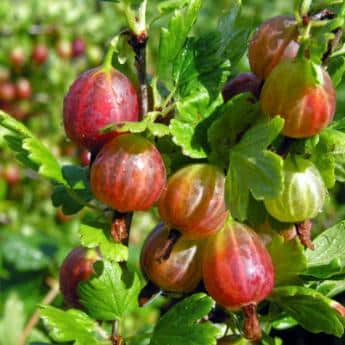
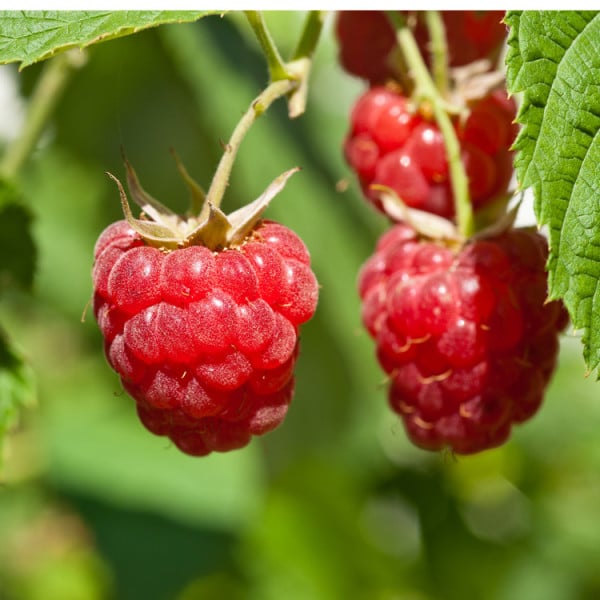
Red Huckleberry is a different plant from the evergreen huckleberries, and it is worth knowing how before you plant it. It drops its leaves in autumn, it grows taller and more openly, and it carries its flowers one at a time in the leaf axils rather than in clusters, so the berries hang singly along the stem like small scarlet lanterns.
In the woods it germinates on rotting logs, stumps and mossy snags, and that tells you how to plant it: give it decayed wood or a deep conifer needle mulch, keep it evenly moist while it settles, and be patient, because it is slow. Part shade suits the plant; a little more light gets you more berries. The fruit is bright translucent red, tart and clean, and it is the one people remember from hiking.
Overview
- Translucent scarlet berries, tart and clean, carried singly along the stem.
- Deciduous, with green sharply angled twigs that hold the winter display.
- 4 to 10 ft and upright, and hardier than the evergreen huckleberries.
- Wants decayed wood and even moisture; slow to settle, then long lived.
Growing Details
Latin Name: Vaccinium parvifolium
Site and Soil: Part shade to shade; acidic, well drained soil with decayed wood worked in
Hardiness: Hardy to USDA Zone 5
Rootstock: Grown from cuttings or tissue culture
Bearing Age: Fruits right away; full production in 5 to 6 years
Size at Maturity: Deciduous and upright, reaching 4 to 10 ft depending on where it grows
Ripening Time: Late summer into early fall; August into September
Pollination: Self-fertile; a single plant sets a crop
Pests & Diseases: No particular problems reported; birds take the berries readily
Additional Notes
- Grower’s Insight: Plant it with rotting wood or deep conifer duff around the roots. In the wild it germinates on nurse logs, and it never really loses the preference.
- Regional Insight: Huckleberries are Pacific Coast natives, at home from British Columbia down into California and anywhere with cool, moist, acidic ground.
- Explore more berries in our collection: Berries