Description
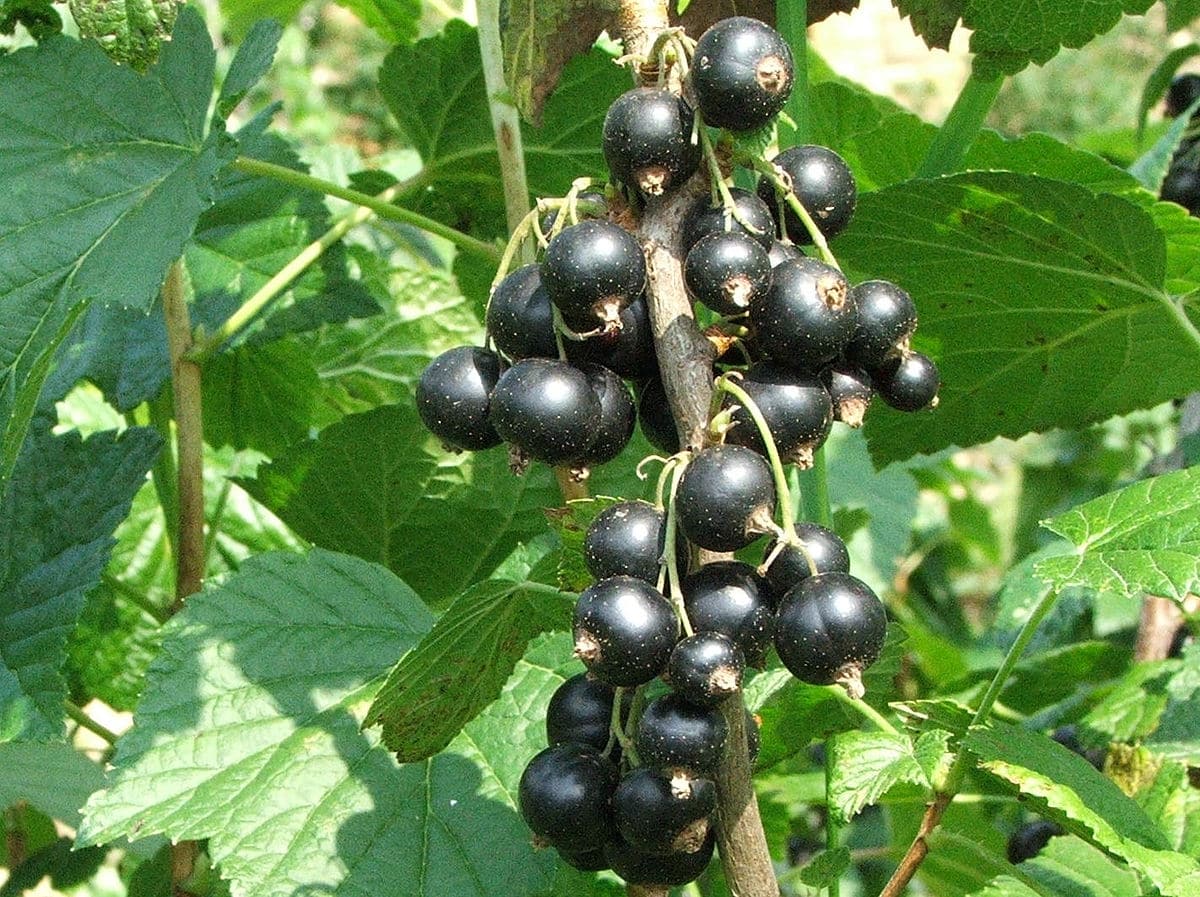
Coronet came out of the Ottawa breeding program in the 1950s, from a cross made to bring the blister rust immunity of the Siberian Ribes ussuriense into a cultivated black currant. Consort, Coronet and Crusader are the three siblings of that cross, and all three were confirmed immune.
The berries are medium sized with concentrated flavor, and the variety is an excellent choice for drying, which is an underused way to handle a black currant crop and gives you something closer to a tiny raisin than to jam.
Overview
- Immune to white pine blister rust, by deliberate breeding.
- Early ripening, ahead of the main season.
- Medium-sized berries with concentrated flavor.
- Particularly good for drying as well as preserves.
Growing Details
Latin Name: Ribes nigrum x ussuriense ‘Coronet’
Site and Soil: 1/2 day to full day of sun; rich, moist, well-drained soil
Hardiness: Hardy to USDA Zone 3
Rootstock: Grown from cuttings
Bearing Age: Light crop the year after planting; full crops by the third or fourth year
Size at Maturity: Upright and compact, about 3 to 5 ft tall and wide
Ripening Time: Early season; June into July
Pollination: Self-fertile; one bush sets a full crop, and a second currant nearby increases berry size
Pests & Diseases: Immune to white pine blister rust
Additional Notes
- Grower’s Insight: Dried black currants are worth trying. Halve the fruit, dry it low and slow, and you get something between a raisin and a sour cherry.
- Regional Insight: Currants are cool-climate fruit, at their best where summers stay moderate and winters are properly cold.
- Explore more berries in our collection: Berries