

Description
Ben Lomond opened the Scottish ‘Ben’ series of black currants and remains its benchmark: every later release in the line is still measured by how many days its flowers and fruit trail Ben Lomond’s own. That late bloom was the whole point of the breeding program, timed to open after the frosts that damage an early-flowering currant.
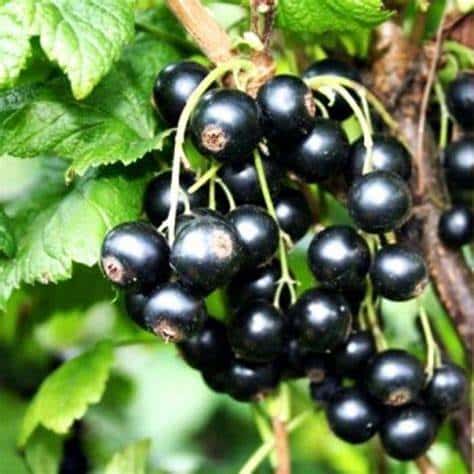
The shrub itself is vigorous and upright, with a narrower spread than its height that suits a smaller garden better than many black currants. Its berries carry the strong, rich character black currants are prized for, high in vitamin C, with a very thin skin and high juice content that make it a natural for juice, jam, and cassis.
Give Ben Lomond full sun and shelter from wind, and plant a second black currant nearby for the best crop. Once established it is a dependable, long-lived shrub that rewards an annual prune with a full basket of fruit each summer.
Overview
- The first of Scotland’s celebrated Ben series of black currants, bred for heavy yields.
- Blooms later than most black currants, escaping frosts that damage an early bloom.
- Full-flavored, high-vitamin-C berries valued for juice, jam, and cassis.
- Vigorous, upright shrub reaching about 3 to 5 ft tall and wide.
- Very thin skin and high juice content, ideal for pressing and preserving.
Growing Details
Latin Name: Ribes nigrum ‘Ben Lomond’
Site and Soil: 1/2 day to full day of sun; rich, moist, well-drained soil
Hardiness: Hardy to USDA Zone 3
Rootstock: Grown from cuttings
Bearing Age: Light crop the year after planting; full crops by the third or fourth year
Size at Maturity: About 3 to 5 ft tall and wide, reached in 2 to 5 years
Ripening Time: Mid season; July into August
Pollination: Crops best with a second black currant nearby for cross-pollination
Yield: About 2 to 3 quarts from a mature bush, a good crop for a black currant
Additional Notes
- Grower’s Insight: This is the currant every later ‘Ben’ release is still measured against: it flowers late enough to dodge spring frost while still delivering a full-flavored, heavy-cropping harvest each summer.
- Regional Insight: Black currants excel in cool, moist summers, from New England and the Upper Midwest to the Pacific Northwest, wherever winters stay reliably cold.
- Explore more currants in our collection: Currants