Description
Orange Quince is a traditional culinary quince—classic in fragrance, dependable in production, and built for the kind of cooking that quince is famous for. It’s an old-time variety that was once widely planted, valued for its heavy crops of large, aromatic fruit and its straightforward performance in preserves and baked goods.
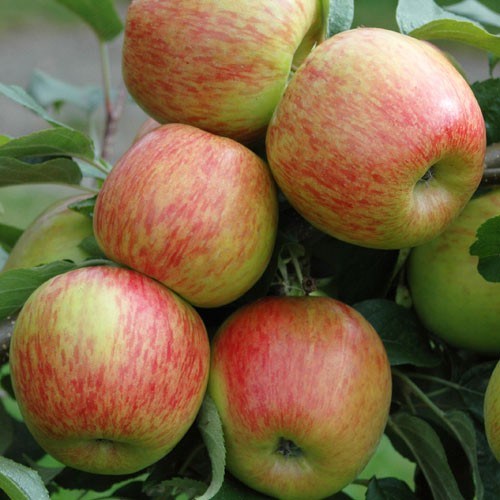
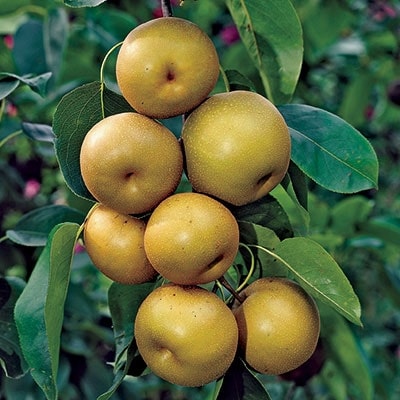
The fruit is notably large and round, ripening late in the season to a rich yellow-orange. When cooked, Orange Quince develops the deep quince perfume and texture that makes it ideal for baking, poaching, jams, jellies, and quince paste. The flesh is often described as orange-tinted, and it can take on a rosy-red tone with cooking—one of the signature “quince moments” that keeps this variety in demand.
Orange Quince is grown for reliable results rather than novelty traits. If you want a true, classic quince with extra-large fruit and a strong aromatic presence in the kitchen, Orange remains one of the most satisfying traditional choices.
Overview
- Old-time culinary quince known for heavy crops and strong fragrance
- Very large, round fruit with late-season ripening
- Excellent for baking, preserves, jams, and quince paste
- Orange-tinted flesh that often turns rosy-red when cooked
- Self-fertile and dependable once established
Growing Details
Latin Name: Cydonia oblonga ’Orange’
Site and Soil: 1/2 day to full day of sun; well-drained soil
Chill Requirement: Approx. 300 hours
Hardiness: USDA Zone 5–9 (our stock is hardy to about -10°F)
Rootstock: Quince
Bearing Age: 1–3 years
Size at Maturity: Typically maintained at 10–15 ft tall and wide with pruning
Bloom Time: Mid-spring
Ripening Time: Mid to late fall; typically October (varies by region)
Pollination: Self-fertile; additional quince may improve yield
Pests & Diseases: Standard quince considerations; good airflow and clean orchard practice are important
Yield: Heavy crops once established
Additional Notes
- Grower’s Insight: “Orange” is widely known as an old-time quince and is sometimes sold under the name “Apple quince.” Some nursery references treat it as a historical group name rather than a single strictly defined genotype, which fits its long, practical history in cultivation. What stays consistent across sources is the trait growers care about: very large, round, intensely fragrant fruit.
- Regional Insight: Orange Quince ripens especially well in cooler-summer and temperate regions (including the Northeast and Pacific Northwest), where fall conditions support full aroma development. In warm, humid climates, quince can be less consistent and may face higher disease pressure.
- Cooking note: the orange-tinted flesh can develop a rosy-red tone with heat—especially in jellies, paste, and long bakes.
- Harvest when fruit is fully colored and aromatic for best culinary quality.