Description
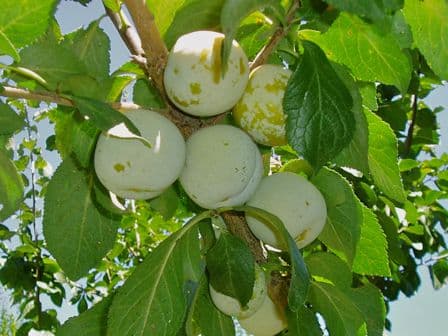
Green Gage has long been regarded as a reference point for plum quality—a classic European dessert plum prized for sweetness, richness, and balance. For generations it has been grown not for size or storage, but for the eating experience itself, producing tender, juicy fruit with a depth of flavor that continues to define what a great plum should be.
The fruit is modest in size but exceptionally sweet, with a honeyed richness that develops only when allowed to fully ripen on the tree. Thin skin and tender flesh contribute to its refined texture, making Green Gage a standout for fresh eating as well as baking and preserves.
Green Gage rewards patience and thoughtful placement. It flowers later than many Japanese plums and ripens mid to late season, benefiting from warm summer conditions that allow sugars and aromatics to fully develop.
Overview
- Classic European dessert plum (Reine Claude type)
- Exceptionally sweet, richly flavored fruit
- Tender flesh with thin skin
- Mid to late season ripening
- Pollination recommended for reliable crops
Growing Details
Latin Name: Prunus domestica ‘Green Gage’
Site and Soil: 1/2 day to full day of sun; well-drained soil
Chill Requirement: Approx. 700–900 hours
Hardiness: USDA Zone 5–9
Rootstock: Marianna 2624
Bearing Age: 1–3 years
Size at Maturity: Typically maintained at 12–15 ft tall and wide with pruning
Flowering Time: Late flowering (within plum types)
Ripening Time: Mid to late season; typically late July through August depending on region
Pollination: Pollination recommended; plant a compatible European plum within 20–30 feet
Pests & Diseases: Standard European plum considerations; good airflow improves fruit quality
Yield: Moderate to good once established
Additional Notes
- Grower’s Insight: Green Gage shows its true character only at full ripeness. Harvesting too early sacrifices the sweetness and richness that make this variety special.
- Regional Insight: Performs best in regions with warm summers that allow sugars to fully develop. In cooler climates, choose the sunniest available site.
- Fruit is small compared to modern plums but exceptionally concentrated in flavor.
- Thin skin and tender flesh mean short storage life—best enjoyed fresh or processed soon after harvest.
- Explore more plums in our collection: Plum Trees