Bare-root pre-orders are open, shipping late January|Every plant guaranteed|Trusted by 20,000+ growers

Cherry Tree (Stella)

Price range: $39.99 through $59.99

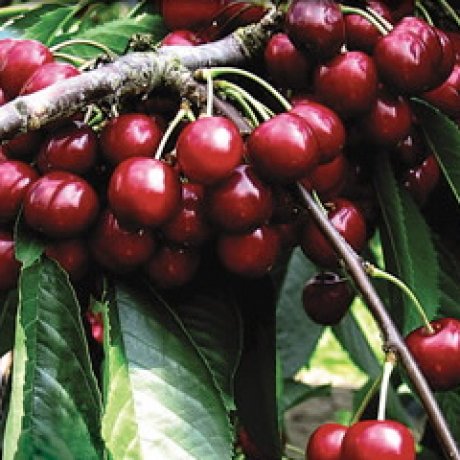
Stella was the first self-fertile sweet cherry, and nearly every self-fertile cherry since descends from it. Large, dark, heart-shaped fruit on one tree, with no partner required.

  • The original self-fertile sweet cherry; one tree crops alone.
  • Large, dark red, heart-shaped fruit with rich flavor.
  • The parent of most self-fertile cherries grown today.
  • Pollinates other sweet cherries as well as itself.
  • Mid-season ripening, in the main run of the harvest.

Shop both locations freely. Picking up? Choose your location at checkout. Shipping? Stock location does not matter, we will handle it. Combined orders may take 3 to 7 days.

Total in stock: -

Add to Wishlist
Add to Wishlist
Arrives healthy, guaranteed. Problem within 14 days? Send a photo and we replace it or credit you.
Ships in 1 to 4 business days from our nursery in Washington state, in a 36 inch box.
SKU: Cherry Tree (Stella) Categories: , , Tag:
From our inbox

The trees were delivered promptly and they are the biggest, best looking mail-order trees I have seen in a long time. I will be ordering more in the future.

Website customer

I have been buying from your nursery for years, and hands down your citrus has survived the best out of all of my sources. I have never lost a plant in my colder climate.

Returning customer

An extra long box for taller trees is totally worth it to me. The trees are great.

William

Description

Before Stella, every sweet cherry needed a compatible partner. Stella was the first self-fertile sweet cherry released, out of Summerland in British Columbia, and virtually every self-fertile cherry in the trade since is descended from it.

The fruit is large, dark red and heart shaped with rich flavor, ripening mid-season. Because it is self-fertile it also serves as a pollinizer for the varieties that are not, which makes it a useful second tree in any planting as well as a sound first one.

Overview

  • The original self-fertile sweet cherry.
  • Large, dark red, heart-shaped fruit with rich flavor.
  • Pollinates other sweet cherries as well as itself.
  • Mid-season ripening on a vigorous tree.

Growing Details

Latin Name: Prunus avium ‘Stella’
Site and Soil: 1/2 day to full day of sun; deep, well-drained soil
Hardiness: Hardy to USDA Zone 5
Chill Requirement: About 500 to 700 hours
Rootstock: Mazzard F 12-1
Bearing Age: 2 to 3 years after planting
Size at Maturity: 12 to 16 ft tall and wide, easily maintained smaller with pruning
Ripening Time: Mid season; June into July
Pollination: Self-fertile; one tree sets a full crop without a partner
Pests & Diseases: Bacterial canker, brown rot and cherry fruit fly; summer pruning and airflow handle most of it

Additional Notes

  • Grower’s Insight: A Stella anywhere in the garden quietly solves the pollination problem for every other sweet cherry you plant.
  • Regional Insight: Cherries want a real winter and a dry spell at ripening; where June rain is common, airflow and a crack-resistant variety matter most.
  • Explore more cherry trees in our collection: Cherry Trees

Planting & Care

At a Glance – Stella Cherry

  • Sun: 1/2 day to full day of sun
  • Soil: Deep, well-drained soil; never a wet spot
  • Water: Deep watering through the first two summers, then in dry spells
  • Size: 12 to 16 ft tall and wide, easily maintained smaller with pruning
  • Pollination: Self-fertile; one tree sets a full crop without a partner
  • Harvest: Midsummer
  • Hardiness: Hardy to USDA Zone 5

Planting & Care – Stella Cherry

Site Selection

  • Full sun, with air moving through the canopy.
  • Cherries will not take wet feet; avoid anywhere water stands in winter.

Soil Preparation

  • Deep, well-drained ground matters more than rich ground.
  • Work in compost, and plant on a slight mound where drainage is doubtful.

Planting Instructions

  1. Dig a hole twice the width of the root ball and no deeper.
  2. Keep the graft union a few inches clear of the soil line.
  3. Backfill, firm gently, and water thoroughly.
  4. Mulch 2 to 3 inches deep, kept well off the trunk.

Watering & Fertilizing

  • Water deeply through the first two summers while the roots establish.
  • After that, water in dry spells, especially while the fruit sizes.
  • Feed lightly in early spring; too much nitrogen invites canker.

Pollination

  • Self-fertile; one tree sets a full crop without a partner.
  • A pollination partner should be within about 50 feet.

Pruning & Training

  • Prune in summer after harvest, never in winter.
  • Summer cuts heal fast and cut the risk of bacterial canker.
  • Keep the centre open so air and light reach the fruit.

Harvest & Use

  • Pick mid-season once the fruit is dark and gives slightly.
  • Good fresh, and holds up in baking and preserves.

General Tips

  • Net the tree as the fruit colours, or the birds will take the crop.

No reviews of this plant yet.