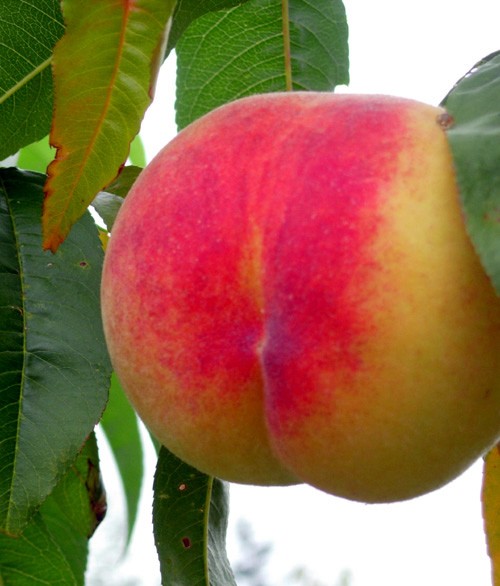
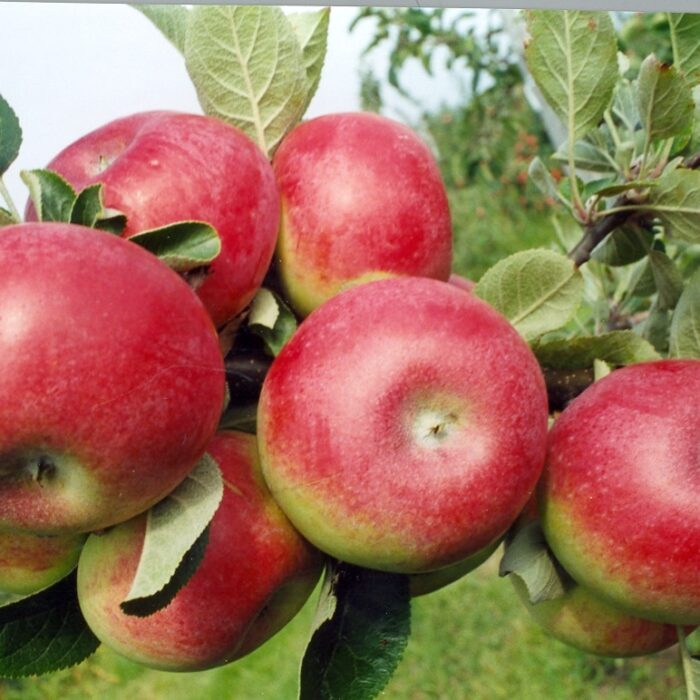
Pawpaw (Allegheny™)

$39.99

Allegheny is an early-season pawpaw selected for eating quality and dependable performance, offering a clean, composed flavor profile that starts the pawpaw season strong.

  • Early-ripening pawpaw with reliable production
  • Smooth, custard-like texture with structure
  • Sweet flavor with a subtle citrus brightness
  • Moderate fruit size with consistent quality
  • Cross-pollination required for reliable fruit set

Shop both locations freely. Picking up? Choose your location at checkout. Shipping? Stock location does not matter, we will handle it. Combined orders may take 3 to 7 days.

Total in stock: -

Add to Wishlist
Add to Wishlist
SKU: Pawpaw (Allegheny™) Categories: , Tag:

Description

Allegheny is an early-season pawpaw selected for eating quality rather than size. It tends to set well and produce reliably, making it a steady presence in a mixed pawpaw planting.

When fully ripe, the flesh is smooth and custard-like with a medium-firm texture that holds together cleanly. The flavor is sweet and rich, finished with a subtle citrus brightness that keeps the fruit lively rather than heavy.

Allegheny isn’t about extremes. It earns its place through clarity of flavor, dependable timing, and a composed eating experience that often arrives weeks before later-ripening varieties.

Overview

  • Early-ripening pawpaw selected for flavor and consistency
  • Smooth, custard-like texture with medium firmness
  • Sweet flavor profile with a citrus lift
  • Moderate fruit size with good eating quality
  • Requires cross-pollination for consistent fruit set

Growing Details

Latin Name: Asimina triloba ‘Allegheny’
Site and Soil: 1/2 day to full day of sun; well-drained soil
Hardiness: USDA Zone 5–8
Rootstock: Grafted onto pawpaw rootstock
Bearing Age: 3–5 years after planting
Size at Maturity: Typically 15–25 ft tall and wide; can be maintained smaller with pruning
Bloom Time: Mid-spring
Ripening Time: Early within pawpaw varieties; late summer (varies by region)
Fruit Weight: More commonly ~4–7 oz per fruit; occasionally larger with light crop load (varies by site and season)
Seed Content: Approximately ~8% by weight (varies by season)
Texture Class: Smooth, custard-like; medium-firm and cohesive at full ripeness
Pollination: Pollination required; plant a genetically distinct pawpaw within 20–30 feet
Pests & Diseases: Generally low disease pressure with good airflow and moisture management
Yield: Good; sets generously and may benefit from thinning for fruit size

Additional Notes

  • Grower’s Insight: Allegheny is often appreciated for how early it ripens—when it’s ready, most pawpaws are still weeks away.
  • Regional Insight: In cool-summer regions like the Puget Sound, planting in as much sun as possible helps support steady growth and timely ripening.
  • Harvest fruit only when fully ripe; underripe pawpaws won’t develop full texture or flavor.
  • Fruit is delicate and highly perishable—handle gently and plan to use or process soon after harvest.
  • Explore more pawpaw varieties in our collection: Pawpaw Trees
Planting & Care

At a Glance – Allegheny Pawpaw

  • Sun: 1/2 day to full day of sun (regional guidance below)
  • Soil: Well-drained, fertile soil with steady moisture
  • Water: Consistent during establishment; avoid drying out
  • Size: Typically 15–25 ft at maturity (can be maintained smaller)
  • Pollination: Required; plant a different variety within 20–30 feet
  • Harvest: Early season; late summer
  • Hardiness: USDA Zone 5–8

Planting & Care

What Makes Pawpaws Different

  • Pawpaws develop a strong taproot early and are sensitive to root disturbance. Establishment success depends heavily on keeping the root system intact.
  • Container-grown pawpaws consistently outperform bare-root plants. Bare-root pawpaws have a high failure rate and are not recommended.
  • Most early pawpaw failures trace back to transplant shock, root disturbance, or inconsistent moisture—not cold.

Site Selection (Climate Matters)

  • Cool-summer regions (including the Puget Sound): Pawpaws establish best when planted in as much sun as you can give them. In these climates, full sun supports stronger growth and timely ripening.
  • Warm to hot-summer regions: Pawpaws still benefit from good sun exposure, but young trees may appreciate light protection from extreme afternoon heat during their first season.
  • Avoid exposed wind corridors; pawpaw leaves are large and can tear.

Soil Preparation

  • Pawpaws prefer deep, well-drained soil that stays evenly moist.
  • Improve the entire planting area if soil is thin; avoid a deep, narrow planting hole.
  • Mulch is critical for moisture stability and root health.

Planting Instructions (Taproot-Safe Method)

  • Plant in spring after hard freezes or in early fall where winters are mild.
  • Dig a hole 2–3x as wide as the container, but no deeper than the root ball.
  • Remove the tree carefully from its container; do not disturb roots.
  • Set the tree with the root flare at or slightly above finished soil level.
  • Backfill with native soil, water deeply, and mulch 2–3 inches.
  • Stake lightly if needed to prevent rocking during establishment.

Watering & Fertilizing

  • Keep soil consistently moist during the first 1–2 seasons.
  • Water deeply during extended dry periods once established.
  • Fertilize lightly in spring only if growth appears weak.

Pollination

  • Plant a genetically distinct pawpaw variety within 20–30 feet.
  • Flies and beetles are the primary pollinators; hand pollination can improve set.

Pruning & Training

  • Minimal pruning is required beyond removing damaged wood.
  • Thin fruit if the tree sets heavily to improve size and balance.

Harvest & Use

  • Harvest when fruit softens and releases easily.
  • Use fresh or process quickly; pulp freezes well.

General Tips

  • Early growth may be slow as the tree prioritizes root development.
  • Consistent moisture and mulch are the biggest predictors of success.
  • In cool-summer regions, more sun almost always beats more shade.