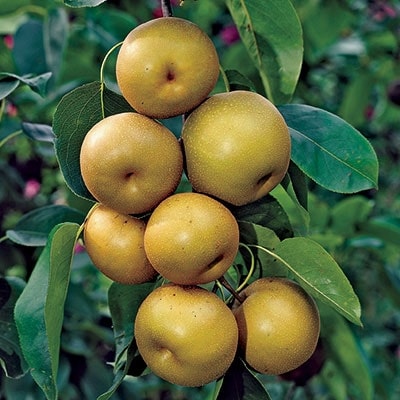
Jujube (Winter Delight)

Price range: $39.99 through $45.99

A popular variety in Northern China, Winter Delight is a very cold hardy and compact tree that produces large, egg-shaped fruits that are crisp and sweet. Winter Delight is one of the earliest jujube fruits to ripen and is delightful in winter with its elegant branches and stunning aura.

Winter Delight jujube extends the season with crisp, sweet fruit that ripens later than most jujube varieties.

  • Fruit: Fresh-eating jujube with firm, crisp texture
  • Season: Late-ripening; often among the last jujubes harvested
  • Tree habit: Compact, cold-hardy, and dependable
  • Pollination: Partially self-fertile
Add to Wishlist
Add to Wishlist
SKU: Jujube (Winter Delight) Categories: , Tag:

Description

Winter Delight is a jujube variety valued for its crisp texture, clean sweetness, and notably late ripening season. It’s grown primarily for fresh eating and is often among the last jujubes to be harvested in the fall.

At the crisp stage, the fruit is firm and juicy with a mild, balanced sweetness that makes it easy to eat fresh. Grower reports consistently place Winter Delight toward the late end of the jujube season, helping extend harvest well beyond earlier varieties when most jujube trees are already finished.

The tree itself is compact, resilient, and well suited to colder and more marginal climates. Winter Delight is often selected by growers who want both reliability and a longer jujube harvest window without increasing orchard complexity.

Overview

  • Primary use: Fresh eating at the crisp stage
  • Flavor & texture: Clean sweetness with firm, apple-like bite
  • Ripening window: Late-season; commonly October and later depending on region
  • Growth habit: Compact and manageable with minimal pruning
  • Best fit for: Growers wanting to extend jujube harvest later into fall

Growing Details

Latin Name: Ziziphus jujuba ’Winter Delight’
Primary Use: Fresh eating; also suitable for drying
Site and Soil: 1/2 day to full day of sun; well-drained soil
Chill Requirement: Low chill; exact hours not firmly established for this cultivar
Hardiness: USDA Zone 5–10
Rootstock: Grafted onto jujube rootstock
Bearing Age: Often fruits immediately; grafted trees may produce in their first season
Size at Maturity: Typically maintained at 10–15 ft tall and wide with pruning
Bloom Time: Late spring to early summer
Ripening Time: Late within the jujube season; timing varies by region
Pollination: Partially self-fertile; improved yield and fruit size with a compatible jujube planted within 20–30 feet
Pests & Diseases: Generally low pressure; routine orchard hygiene recommended
Yield: Reliable producer once established

Additional Notes

  • Grower’s Insight: Winter Delight is appreciated for its late-season ripening and dependable performance, offering fresh fruit and drying options when earlier jujubes are finishing up.
  • Regional Insight: Performs well in temperate regions, including the Pacific Northwest, where its later ripening window can extend the jujube harvest season.
  • Harvesting at the crisp stage preserves fresh-eating quality; allowing fruit to fully brown supports drying and storage.
  • Explore more jujube varieties in our collection: Jujube Trees
Planting & Care

At a Glance – Winter Delight Jujube

  • Sun: 1/2 day to full day of sun
  • Soil: Well-drained soil; avoid prolonged saturation
  • Water: Moderate during establishment; drought tolerant once established
  • Size: Easily maintained with pruning
  • Pollination: Self-fertile; improved yield and consistency with a second jujube within 20–30 feet
  • Harvest: Late-season in many regions (timing varies by climate)
  • Use: Fresh eating at the crisp stage; also suitable for drying when fully mature

Planting & Care

Site Selection

  • Choose the sunniest site you have for the most consistent fruiting and ripening.
  • Jujubes handle a wide range of conditions once established, but drainage and sun exposure make the biggest difference.
  • Give trees room for airflow and easy access at harvest—jujubes are best picked in multiple passes as fruit colors up.

Soil Preparation

  • Plant in well-drained soil. If your site holds water, plant on a slight mound or in a raised planting area.
  • Jujubes tolerate many soil types, but they dislike prolonged wet feet.
  • Ideal soil pH is roughly 6.0 to 7.5.

Planting Instructions

  • Dig a hole about twice the width of the root system (or container) and only as deep as needed.
  • Set the tree so the root flare is at or slightly above the finished soil level.
  • Backfill with native soil, tamp lightly, and water deeply to settle.
  • Mulch 2–3″ deep to conserve moisture, keeping mulch a few inches away from the trunk.
  • Stake only if needed for wind; remove staking after the first season.

Watering & Fertilizing

  • Water consistently during the first growing season while roots establish.
  • Aim for deep watering, then allow the soil to begin drying between irrigations—jujubes respond well to a wet-to-dry rhythm.
  • Once established, water during extended drought or prolonged summer dryness, especially while fruit is sizing.
  • Go easy on nitrogen. Too much fertilizer can push leafy growth at the expense of flowering and fruiting.
  • If growth is weak, use a light, balanced feed in spring; avoid heavy summer fertilizing.

Pollination

  • Winter Delight is commonly grown as self-fertile.
  • For heavier crops and more consistent set, plant another jujube variety within 20–30 feet.
  • In cool or rainy bloom periods, having a second variety nearby can help overall fruit set.

Pruning & Training

  • Train young trees to a simple open structure with 3–5 main scaffold branches, or a central leader if you prefer.
  • Prune in late winter to remove crossing branches, dead wood, and overly crowded interior growth.
  • Keep pruning moderate—jujubes don’t need heavy annual pruning once the framework is set.
  • New growth may have thorns; wear gloves and long sleeves when training or harvesting.

Harvest & Use

  • For fresh eating, harvest when fruit has begun to color but remains firm and crisp.
  • For drying, allow fruit to fully mature and brown; fruit can finish drying on the tree or indoors with good airflow.
  • Harvest in multiple passes—jujubes often ripen unevenly across the canopy.

General Tips

  • Expect production to improve as the tree matures; grafted trees may fruit very early, but consistency increases with age.
  • Protect young trunks from weed trimmers and rodents; bark damage can set a tree back.
  • If your fall weather turns wet, pick crisp-stage fruit promptly to reduce splitting and preserve texture.
  • Once established, jujubes are one of the most low-input fruit trees you can grow.