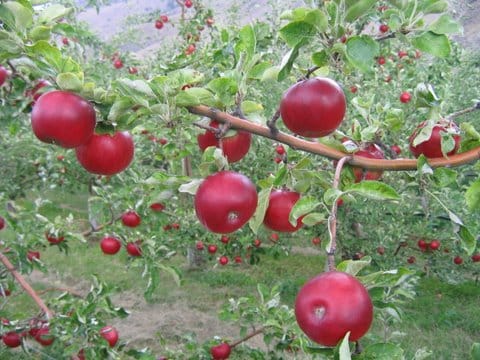
Apple Tree (Cox Orange Pippen)

Price range: $39.99 through $59.99

Cox’s Orange Pippin is legendary for its rich, aromatic flavor—known worldwide as one of the finest dessert apples ever grown.

  • Famous English apple with complex, aromatic flavor
  • Sweet, tangy, and richly perfumed flesh
  • Best enjoyed fresh at peak ripeness
  • Mid-season harvest
  • Pollination required; plant a partner nearby
Add to Wishlist
Add to Wishlist
SKU: N/A Categories: , Tag:

Description

Cox’s Orange Pippin is often considered the gold standard of apple flavor. First grown in England in the early 1800s, it became famous not because it was easy to grow, but because nothing else tasted quite like it.

The fruit delivers a layered, aromatic flavor—sweet, tangy, and slightly spicy—with a fine-grained texture that sets it apart from modern crunch-focused apples. This is an apple grown for people who care deeply about taste.

Cox’s Orange Pippin ripens in mid-season and is best enjoyed fresh, close to harvest. While it requires attentive care, many growers consider the reward well worth the effort.

Overview

  • World-famous English dessert apple
  • Exceptionally complex, aromatic flavor
  • Best for fresh eating
  • Mid-season ripening
  • Pollination required for fruit set

Growing Details

Latin Name: Malus domestica ‘Cox’s Orange Pippin’
Site and Soil: 1/2 day to full day of sun; well-drained soil
Chill Requirement: Approximately 800 hours
Hardiness: USDA Zone 4–8
Rootstock: M-106 (semi-dwarf)
Bearing Age: 1–3 years
Size at Maturity: Typically maintained at 12–16 ft tall and wide with pruning
Bloom Time: Mid-season
Ripening Time: Mid-season; typically September (varies by region)
Flowering Group: Group 3 (mid-season)
Pollination: Pollination required; plant a compatible apple variety within 20–30 feet
Pests & Diseases: Susceptible to common apple diseases; excellent airflow and attentive care are important
Yield: Moderate but reliable with proper care

Additional Notes

  • Grower’s Insight: Cox’s Orange Pippin is a parent to many modern apples—breeders have spent generations trying to recreate its flavor, which remains a benchmark for dessert apples.
  • Regional Insight: Performs best in temperate regions with cool summers and good airflow, including parts of the Pacific Northwest and similar climates.
  • This variety rewards careful growers with unmatched eating quality.
  • Flavor is best enjoyed shortly after harvest rather than long storage.
  • Explore more apples in our collection: Apple Trees
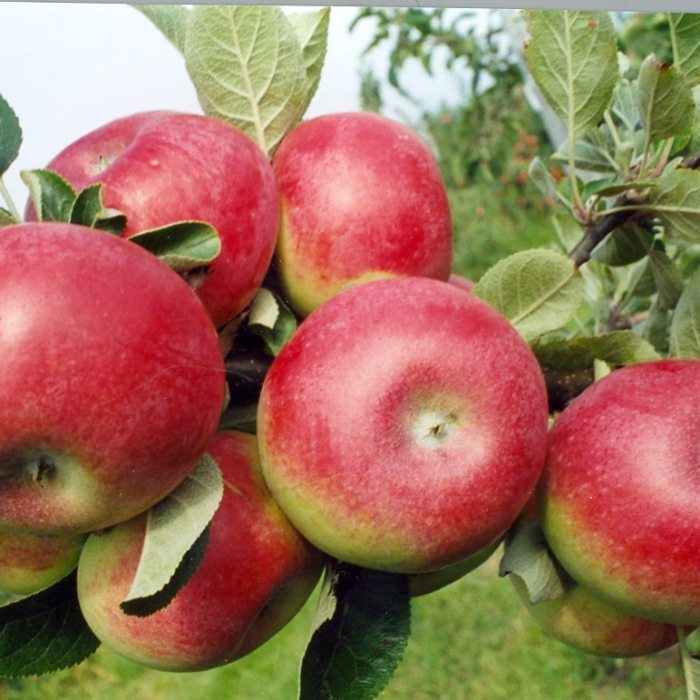
Planting & Care

At a Glance – Cox’s Orange Pippin Apple

  • Sun: 1/2 day to full day of sun
  • Soil: Well-drained soil; avoid prolonged saturation
  • Water: Moderate; consistent moisture during establishment
  • Size: Semi-dwarf; manageable with pruning
  • Pollination: Required; plant a partner nearby
  • Harvest: Mid-season (typically September)
  • Hardiness: USDA Zone 4–8

Planting & Care – Cox’s Orange Pippin Apple

Site Selection

  • Choose a sunny site with good airflow—this variety benefits from open, dry conditions.
  • Avoid low, damp areas where disease pressure is higher.

Soil Preparation

  • Plant in deep, well-drained soil.
  • Improve drainage in heavy soils before planting.
  • Maintain soil pH between 6.0 and 7.0.

Planting Instructions

  • Dig a hole twice the width of the root system.
  • Set the tree with the root flare at or just above soil level.
  • Backfill with native soil and water thoroughly.
  • Mulch lightly, keeping mulch away from the trunk.

Watering & Fertilizing

  • Water regularly during the first 1–2 years.
  • Deep water during dry periods; avoid waterlogging.
  • Use light fertilization—excess nitrogen can increase disease pressure.

Pollination

  • Cox’s Orange Pippin requires another apple variety to set fruit.
  • Plant a compatible pollination partner within 20–30 feet.

Pruning & Training

  • Train to a central leader or modified central leader.
  • Prune annually to maintain airflow and light penetration.
  • Good structure is key to fruit quality and disease management.

Harvest & Use

  • Harvest when fruit is fully colored and aromatic.
  • Best enjoyed fresh at peak ripeness.
  • Flavor declines with long storage.

General Tips

  • This is a flavor-first apple—care and site selection matter.
  • Excellent airflow and sunlight are the keys to success.