Bigger plants, shipped nationwide year round|Every plant guaranteed|Trusted by 20,000+ growers

Apple Tree (Amere De Berthcourt)

$29.99

Amère de Berthcourt is a classic French cider apple grown for what dessert apples can’t provide—tannin, structure, and a deep, bittersweet backbone that turns simple juice into serious cider.

  • Traditional French cider apple (bittersweet / tannin-forward)
  • High-tannin fruit for body, grip, and complexity in fermentation
  • Not a fresh-eating apple—best for pressing and blending
  • Mid- to late-season ripening (typically October)
  • Requires a pollination partner for fruit set

Shop both locations freely. Picking up? Choose your location at checkout. Shipping? Stock location does not matter, we will handle it. Combined orders may take 3 to 7 days.

Total in stock: -

Add to Wishlist
Add to Wishlist
Arrives healthy, guaranteed. Problem within 14 days? Send a photo and we replace it or credit you.
Ships in 1 to 4 business days from our nursery in Washington state, in a 36 inch box.
Grows in zones 4 to 8.
SKU: Apple Tree (Amere De Berthcourt) Categories: , Tag:
From our inbox

Boxed perfect. Shipped on time. Excellent quality stock. About the only thing you could do to improve my experience would be to fly out to Maine and plant them for me.

Don, Maine

Thank you so much for these lovely hardy kiwis. They are much bigger than expected. Will be ordering from you again.

Irene

I have been buying from your nursery for years, and hands down your citrus has survived the best out of all of my sources. I have never lost a plant in my colder climate.

Returning customer

Description

Amère de Berthcourt is a heritage French cider apple valued for its tannin-rich, bittersweet character. In cider, tannin is what creates structure—adding depth, balance, and that satisfying “grip” that makes a finished cider feel complete instead of thin.

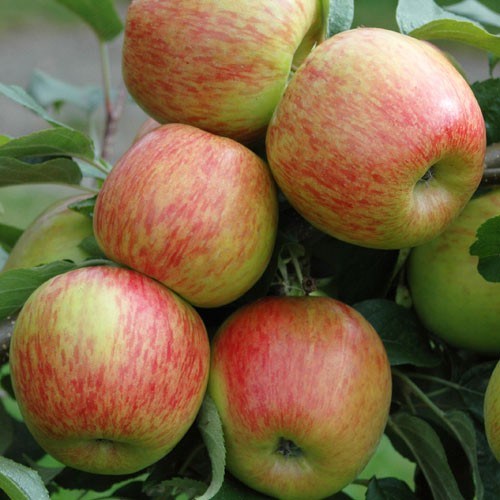
The fruit is typically small to medium with greenish-yellow skin that may carry a blush. While the flesh can taste sweet at first bite, the tannins quickly take over, making it a poor choice for fresh eating and an excellent choice for pressing.

Amère de Berthcourt is most often used as a blending apple—bringing body and bitter complexity to sweeter, higher-acid, or more aromatic varieties. If you’re building a home cidery or planting with fermentation in mind, this is the kind of variety that makes the finished product taste intentional.

Overview

  • Traditional French cider apple with tannin-forward, bittersweet character
  • Grown for fermentation—adds structure, body, and bitter complexity
  • Not intended for fresh eating due to astringency
  • Mid- to late-season ripening (typically October)
  • Requires a compatible apple pollination partner planted within 20–30 feet

Growing Details

Latin Name: Malus domestica ‘Amère de Berthcourt’
Site and Soil: 1/2 day to full day of sun; well-drained soil
Chill Requirement: Approximately 900 hours (best estimate)
Hardiness: USDA Zone 4–8
Rootstock: M-7 (semi-dwarf)
Bearing Age: 1–3 years
Size at Maturity: Typically maintained at 12–16 ft tall and wide with pruning
Bloom Time: Mid-season
Ripening Time: Mid- to late-season; typically October (varies by region)
Pollination: Not self-fertile; requires a compatible apple variety planted within 20–30 feet
Pests & Diseases: Standard apple pest and disease considerations; good airflow and routine care are important
Yield: Reliable producer once established

Additional Notes

  • Grower’s Insight: Tannin-forward cider apples like Amère de Berthcourt act like the “structure” in a blend—adding grip, body, and aging potential that dessert apples can’t provide on their own.
  • Regional Insight: Performs best in cool-temperate apple regions with reliable winter chill and a true fall ripening season—especially areas like the Pacific Northwest and other northern apple belts where cider varieties develop layered flavor.
  • Plan this variety as part of a cider planting: it shines most when blended with sharper or sweeter cider apples.
  • For best cider quality, harvest at full maturity—tannin and sugar balance matter more than fresh-eating appeal.
  • Explore more apples in our collection: Apple Trees
Planting & Care

At a Glance – Amère de Berthcourt Cider Apple

  • Sun: 1/2 day to full day of sun
  • Soil: Well-drained soil; avoid prolonged saturation
  • Water: Moderate; consistent moisture during establishment
  • Size: Semi-dwarf; easily maintained with pruning
  • Pollination: Requires a compatible apple partner
  • Harvest: Mid- to late-season (often October)
  • Hardiness: USDA Zone 4–8

Planting & Care – Amère de Berthcourt Cider Apple

Site Selection

  • Choose a site with at least 1/2 day of sun; full sun supports best bloom, fruit maturity, and cider-quality sugars.
  • Good airflow helps reduce disease pressure and improves overall tree health.
  • Avoid low areas where cold air settles and excess moisture lingers.

Soil Preparation

  • Apples perform best in deep, well-drained soil.
  • If drainage is marginal, plant on a slight mound or berm to keep roots out of standing water.
  • Incorporate compost if needed, but avoid heavy nitrogen at planting.
  • Ideal soil pH is between 6.0 and 7.0.

Planting Instructions

  • Dig a hole twice the width of the root system.
  • Plant with the root flare at or just above soil level.
  • Backfill with native soil and water thoroughly.
  • Mulch 2–3″ deep, keeping mulch several inches away from the trunk.

Watering & Fertilizing

  • Keep soil evenly moist during the first 1–2 years, especially through summer heat.
  • Deep water 1–2 times per week during dry weather; increase during heat spells or windy conditions.
  • Once established, deep watering every 7–14 days during dry periods is typically sufficient.
  • Apply a light, balanced fertilizer in early spring if growth appears weak; avoid pushing excessive vegetative growth.

Pollination

  • Amère de Berthcourt is not self-fertile.
  • Plant a compatible apple variety within 20–30 feet for reliable fruit set.
  • Most mid-season blooming apples can serve as pollination partners.

Pruning & Training

  • Train to a central leader or modified central leader for strong structure.
  • Prune in late winter to remove crossing branches, improve light penetration, and maintain manageable height.
  • Good structure supports consistent yields and makes harvest easier for pressing.

Harvest & Use

  • Harvest when fully mature for best fermentation balance.
  • This is a cider apple—expect bitterness/astringency when eaten fresh.
  • Press for juice and blend with other cider apples to build complexity and structure.

General Tips

  • Keep the orchard floor clean and maintain airflow to reduce disease pressure in wet-spring climates.
  • Thin fruit in heavy-set years to improve size and support consistent maturity.
  • Consistent early care sets the foundation for long-term productivity.

No reviews of this plant yet.