Description
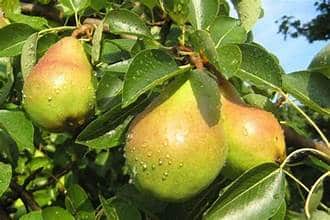
This 4-in-1 Combination European Pear tree brings together four of six time-tested varieties on one compact tree grafted onto dwarfing Provence Quince. Each tree includes four of the following classic pears: Bartlett, Flemish Beauty, Red Bartlett, Rescue, Anjou, and Bosc. With staggered ripening times and a wide range of flavors and textures, you enjoy an extended harvest window from late summer into fall — perfect for fresh eating, canning, drying, and long-term storage.
Overview
- Four European pear varieties on one tree — chosen for flavor, productivity, and complementary bloom times.
- Extended harvest window — late August through late October, varying by climate.
- Dwarfing Provence Quince rootstock — compact, manageable size for backyards and home orchards.
- Excellent for fresh eating, canning, baking, and storage — from early dessert pears to long-keeping winter pears.
- Well-suited to the Pacific Northwest and similar cool-summer climates.
Varieties Included
Each tree contains four of the following six varieties. Exact combinations vary by year and availability.
- Bartlett — classic early-season pear; sweet, juicy, and aromatic; excellent for fresh eating and canning.
- Flemish Beauty — rich, buttery flesh with outstanding old-world flavor; superb fresh or in desserts.
- Red Bartlett — early ripening, red-skinned selection; sweet, tender fruit ideal for fresh eating and canning.
- Rescue — large yellow pears with red blush; smooth, sweet flesh and tiny core; superb for canning and shows good scab resistance.
- Anjou — versatile mid- to late-season pear with fine texture; great fresh and as a winter keeper.
- Bosc — firm, sweet, late-season pear; ideal for baking, roasting, or long-term storage.
Care & Growing Tips
- Plant in well-drained soil with 1/2 day to full day of sun.
- Water deeply and regularly for the first 2–3 years to establish a strong root system.
- Prune annually to balance vigor across grafted limbs; prevent any one variety from dominating.
- Multiple grafted varieties provide self-contained pollination, though nearby European pears can increase yields.
- Thin fruit while small to improve size, flavor, and prevent branch strain.
Growing Details
Latin Name: Pyrus communis
Site and Soil: Well-drained soil; 1/2 day to full day of sun
Rootstock: Provence Quince (dwarfing)
Hardiness: USDA Zone 5–9
Bearing Age: 1–3 years after planting
Size at Maturity: 8–12 ft (easily maintained smaller with pruning)
Bloom Time: Mid-spring
Ripening Time: Late August through late October (varies by climate and included varieties)
Yield: Heavy cropping with balanced pruning
Pests & Diseases: Standard European pear considerations; Rescue shows good scab resistance
Additional Notes
- Exact mix and placement of varieties may change slightly each season based on nursery availability.
- Training grafted branches early ensures long-term structure and balanced vigor.
- Late-season pears such as Anjou and Bosc store exceptionally well; early pears like Bartlett and Red Bartlett shine for fresh eating and canning.
- Explore more pear varieties in our collection: Pear Trees