Description
U.S. 119 is one of the USDA’s cold-hardy citrus selections, developed in the early 1980s through an intergeneric breeding program targeting both virus resistance and cold tolerance. Its parentage combines an acidless sweet orange (Succory) with Dunstan citrumelo and the vigorous trifoliate orange ‘Gotha Road’ — a deliberate cross designed to bring real cold-hardiness into a fresh-eating citrus.
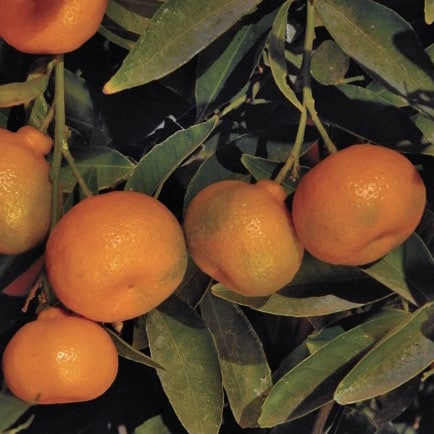
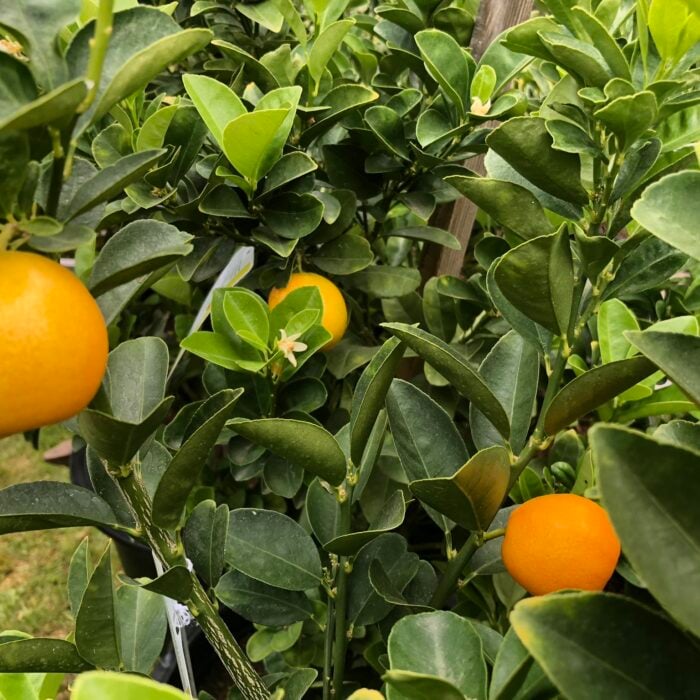
The fruit is round and roughly orange-sized, with yellow-orange to slightly greenish skin and yellow-orange flesh. Flavor is the cultivar’s signature trait: sugary-sweet up front, with the acid and gentle bitterness of the citrumelo and trifoliate parentage carrying through the finish. Some growers describe pineapple and mango notes alongside the sweet orange. It is genuinely a fresh-eating citrus, not a curiosity — and the cultivar’s combination of cold tolerance and good eating quality is what makes it interesting to growers who have given up on conventional citrus.
U.S. 119 is self-fertile and bears young — often within one to two years of planting on its own roots. It is hardy in Zone 8b in our experience, with reports of mature trees tolerating into the lower teens; young trees and recently-planted stock are more cold-sensitive and benefit from siting protection or container culture in the colder pockets of its range. Like cold-hardy citrus generally, it appreciates full to half-day sun, well-drained soil, and a sheltered location.
Overview
- USDA-bred cold-hardy intergeneric citrus hybrid.
- Parentage: (Duncan grapefruit × ‘Gotha Road’ trifoliate) × Succory sweet orange.
- Sugary-sweet flavor with balancing acid and gentle bitterness.
- Round, orange-sized fruit with yellow-orange flesh.
- Self-fertile; bears in 1–2 years.
- Among the more promising cold-hardy citrus options for northern growers.
Growing Details
Latin Name: (Citrus paradisi ‘Duncan’ × Citrus trifoliata ‘Gotha Road’) × Citrus sinensis ‘Succory’
Site and Soil: Full to 1/2 day sun; coarse, acidic, well-drained soil or citrus potting mix
Hardiness: Hardy in Zone 8b; mature plants reportedly tolerate into the lower teens with good siting; young trees more cold-sensitive
Rootstock: Grown on its own roots from cuttings
Bearing Age: 1–2 years after planting
Size at Maturity: Approximately 6–8 ft
Bloom Time: Winter into spring
Ripening Time: Fall into winter
Pollination: Self-fertile
Pests & Diseases: Comparatively low-pressure outdoors; indoor or greenhouse plants can develop mites or aphids and benefit from regular inspection
Additional Notes
- Grower’s Insight: U.S. 119 is genuinely a fresh-eating cold-hardy citrus rather than a novelty — the trifoliate and citrumelo parentage gives it the cold tolerance, and the sweet-orange parentage gives it the eating quality, and the cultivar delivers both honestly.
- Regional Insight: Cold-hardy citrus selections like U.S. 119 widen the range of climates where citrus is realistic, from the Pacific Northwest and milder Atlantic regions through protected sites in the Mid-Atlantic, the inland South, and parts of the desert Southwest; in colder pockets, container culture and winter protection extend the range further.
- Explore more citrus in our collection: Citrus Trees