
Bigger plants, shipped year round from our Seattle nursery|Every plant guaranteed|Trusted by 20,000+ growers

Pomegranate (Medjhos 6269)

$29.99

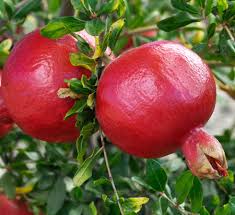
Mejhos 6269 is a pomegranate cultivar originating from Russia, notable for its cold hardiness and suitability for cultivation in cooler climates. Introduced to the U.S. in 1976 as part of a USDA collection from Turkmenistan and Russia, it is also known by its accession number R-2. Mejhos 6269 demonstrates medium cold hardiness, having shown the ability to regrow from roots after exposure to temperatures as low as -6°F, as observed in USDA trials in Georgia. This resilience makes it a promising option for growers in regions with colder winters, such as the Pacific Northwest.

Shop both locations freely. Picking up? Choose your location at checkout. Shipping? Stock location does not matter, we will handle it. Combined orders may take 3 to 7 days.

Total in stock: -

Add to Wishlist
Add to Wishlist
Arrives healthy, guaranteed. If it does not, we replace it.
Ships in 1 to 4 business days from our nursery near Seattle, in a 36 inch box.
SKU: Pomegranate (Medjhos 6269) Categories: , Tag:
From our inbox

Boxed perfect. Shipped on time. Excellent quality stock. About the only thing you could do to improve my experience would be to fly out to Maine and plant them for me.

Don, Maine

The packaging for those kiwis was brilliant and by far the best packaging job out of any place I ordered from this year. Your Annas are tough as nails.

Travis

It looks like it is at least 7 feet tall. I certainly was not expecting it to be that big.

Lisa

Description

Mejhos 6269 is a pomegranate cultivar originating from Russia, notable for its cold hardiness and suitability for cultivation in cooler climates. Introduced to the U. S. in 1976 as part of a USDA collection from Turkmenistan and Russia, it is also known by its accession number R-2. Mejhos 6269 demonstrates medium cold hardiness, having shown the ability to regrow from roots after exposure to temperatures as low as -6°F, as observed in USDA trials in Georgia. This resilience makes it a promising option for growers in regions with colder winters, such as the Pacific Northwest.