★★★★★★★★★★I received my pink currant in perfect condition. I’m always amazed since I live the southeast and they’re in the northwest! It’s healthy and thriving and growing just fine in the cooler autumn weather. Hoping to get some berries this spring!
Susan · Verified buyer · Oct 2026 ★★★★★★★★★★My plants arrived looking great! I got two currant varieties and one even had fruit on the plant. I messaged the shop a question and they were fast respond.
Etsy buyer · Jun 2026 ★★★★★★★★★★Plants arrived healthy despite UPS delaying for several days
Etsy buyer · Jun 2026 ★★★★★★★★★★started growing nicely
Etsy buyer · Jun 2026 ★★★★★★★★★★The plant was packaged well, very healthy and looks fantastic. We are very pleased. I have already made another purchase.
Etsy buyer · Jun 2026 ★★★★★★★★★★Currant is beautiful, large and in excellent condition. It was packed perfectly w attention to detail with speedy delivery! This is someone who cares deeply for their plants/products. Will definitely check out the store…
Etsy buyer · Mar 2026 ★★★★★★★★★★Already sprouting leaves and excited to see it blossom !
Etsy buyer · Feb 2026 ★★★★★★★★★★Beautiful well packed and healthy plant. The currant even came with berries. Thank you very much!
Etsy buyer · Jul 2025 ★★★★★★★★★★A great plant! Robust packaging for shipping too!
Etsy buyer · May 2025 ★★★★★★★★★★I expected to receive a “clipping”, but this is a actual mini bush. The plant is about 2 feet tall and had fruit on it when it arrived. Very healthy plant
Etsy buyer · May 2025 ★★★★★★★★★★Very nice all around! I would easily buy again!
Etsy buyer · May 2025 ★★★★★★★★★★Have ordered many plants from this store and they never disappoint. Would highly recommend!
Etsy buyer · May 2025 ★★★★★★★★★★Plant was healthy, planted right away, so far plant doing and growing well.
Etsy buyer · May 2025 ★★★★★★★★★★It's better getting a rooted currant plant than cutting. Looking forward to seeing this one show growth this year. I recommend this seller.
Etsy buyer · May 2025 ★★★★★★★★★★Came beautifully wrapped and packaged. Already has flowers for fruit.
Etsy buyer · May 2025 ★★★★★★★★★★These are phenomenal!! Thank you, thank you. I purchased the same plant elsewhere last year. The other vendor should be ashamed.
Etsy buyer · Apr 2025 ★★★★★★★★★★Arrived in great condition! It even had some flowers and berries on it! Thank you so much!
Etsy buyer · Apr 2025 ★★★★★★★★★★The currant plant arrived very well packaged and preserved. It is incredibly healthy and beautiful, as well.
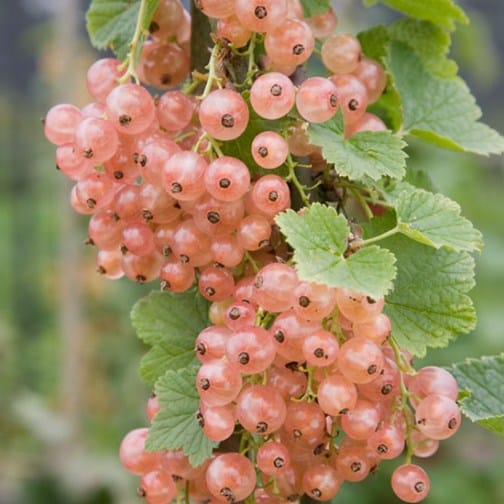
Etsy buyer · Apr 2025 ★★★★★★★★★★I am beyond impressed with my Champagne Pink Currant bush.... Super fast shipping. So well packaged; i'm blown away. This plant looks better than anything I've seen in a green house. Can't believe how beautiful it is pulling it out of a shipping box. A++++++ seller. I will definitely be buying again.
Etsy buyer · Apr 2025 ★★★★★★★★★★Large healthy plant exactly as I ordered it!
Etsy buyer · Apr 2025 ★★★★★★★★★★Plant came quickly and in excellent condition, Thank you, excited to have these beautiful berries in my garden!
Etsy buyer · Apr 2025 ★★★★★★★★★★Great product and service. Can't wait to taste the berries!
Etsy buyer · Nov 2024 ★★★★★★★★★★Great communication, plants are happy and already growing new leaves. Highly recommended!
Etsy buyer · Oct 2024 ★★★★★★★★★★Arrive healthy, planted immediately, looks like it's doing great!
Etsy buyer · Aug 2024 ★★★★★★★★★★Came beautiful wrapped and healthy!
Etsy buyer · Aug 2024 ★★★★★★★★★★Great size bush and super healthy looking when it arrived. Planted same day
Etsy buyer · Aug 2024 ★★★★★★★★★★The currant bush that I received is a good size, healthy and in good shape... I think with proper care, next year it will produce many tasty berries. Thank you.
Etsy buyer · Aug 2024 ★★★★★★★★★★Great service, Great plant! Recommend
Etsy buyer · Jul 2024 ★★★★★★★★★★I could not believe it! The plant was in PERFECT form. I was so happy, it went into the ground within minutes of its arrival. Thank you ever so much.
Etsy buyer · Jul 2024 ★★★★★★★★★★Do I feel like this is a $50 plant? Not really. I’ve gotten better quality stuff from this nursery before. I think if they would’ve removed yellow leaves at least. I probably wouldn’t have noticed as much perhaps? Just not feeling $50 in this one gallon Small plant.
Etsy buyer · Jul 2024 ★★★★★★★★★★Absolutely big and beautiful plant! Thank you:)
Etsy buyer · Jul 2024 ★★★★★★★★★★Extremely pleased. I’m so impressed with the quality of the packaging. The plant is so beautiful , big and, healthy. I can’t express enough, how impressed I am. Thank you so much! 2 green thumbs up!
Etsy buyer · Jun 2024 ★★★★★★★★★★Plant was healthy, full, & packaged well
Etsy buyer · Jun 2024 ★★★★★★★★★★awesomely packed. beautiful plant and shipped super fast
Etsy buyer · Jun 2024 ★★★★★★★★★★My plant arrived very quickly, it was well packaged and healthy. It was much larger than I anticipated which was a welcome surprise. Thank you
Etsy buyer · Jun 2024 ★★★★★★★★★★Sent across country, yet arrived perfectly healthy, no wilting. Nice plant.
Etsy buyer · Jun 2024 ★★★★★★★★★★Great item very healthy plant
Etsy buyer · Mar 2024 ★★★★★★★★★★Looks great. Another great purchase. Thank you!
Etsy buyer · Feb 2024 ★★★★★★★★★★Very nice plant. I definitely recommend
Etsy buyer · Feb 2024 ★★★★★★★★★★Well packed and balanced for travel. Since both variety pink currants were dormant, they did well during winter shipping and did not need excessive wrapping against the cold. Dormant stems were individually labeled, well budded, decent heights, with good branching and stem thickness indicating good fruiting age come thaw zone 5. Admittedly, I hesitated buying four items at once to check on quality of these two first. I'll order blueberries as planned, result of satisfaction with these. Would recommend to anyone.
Etsy buyer · Jan 2024 ★★★★★★★★★★Really happy with this purchase! Would definitely order from them again..
Etsy buyer · Nov 2023 ★★★★★★★★★★The pink champagne currant berry arrived going into dormancy. It is a large plant and the roots look healthy
Etsy buyer · Oct 2023 ★★★★★★★★★★Etsy buyer · Oct 2023
★★★★★★★★★★Plant arrived in great condition though box was a bit damaged. I’m so excited for this bush to grow and produce.
Etsy buyer · Oct 2023 ★★★★★★★★★★very nice plant in a 1 gal pot packed with bamboo to protect the trunk
Etsy buyer · Oct 2023 ★★★★★★★★★★Plants are growing very well, arrived fast and in great condition.
Etsy buyer · Oct 2023 ★★★★★★★★★★Bought a second time so I had more for around my house. Probably will buy more for my reptiles and arachnids.
Etsy buyer · Oct 2023 ★★★★★★★★★★Cool item, I thank you!
Etsy buyer · Sep 2023 ★★★★★★★★★★Etsy buyer · Sep 2023
★★★★★★★★★★This plant arrived very clean, strong and healthy. I have no concerns of it's health and look forward to watching it thrive. Thank you!
Etsy buyer · Sep 2023 ★★★★★★★★★★This bush did not survive the summer even with careful attention. It might not be suitable for Zone 4a. The plants should be listed by zone as a warning.
Etsy buyer · Sep 2023 ★★★★★★★★★★Very happy So far. The plants arrived healthy-looking and were packed absolutely great!
Etsy buyer · Sep 2023 ★★★★★★★★★★Healthy plant, plant was packed very well, Thanks!
Etsy buyer · Sep 2023 ★★★★★★★★★★Etsy buyer · Aug 2023
★★★★★★★★★★Etsy buyer · Aug 2023
★★★★★★★★★★These plants were in great condition when the arrived, and they were big! The higher price here was worth it as our plants are off to a great start and are thriving!
Etsy buyer · Aug 2023 ★★★★★★★★★★Etsy buyer · Jul 2023
★★★★★★★★★★Etsy buyer · Jul 2023
★★★★★★★★★★Plant arrived healthy and carefully packaged!
Etsy buyer · Jul 2023 ★★★★★★★★★★Healthy plant! It took off the second we put it in the ground. Currants that came on it are ripening now. Our toddler is going to be so happy eating them in the garden. Thank you!
Etsy buyer · Jul 2023 ★★★★★★★★★★Etsy buyer · Jul 2023
★★★★★★★★★★Plant was packaged very well and was in perfect condition. It even had a few berries on them. I will definitely be ordering more!
Etsy buyer · Jul 2023 ★★★★★★★★★★Shipping was interesting. They put my plant pots on either end of the box and taped them down so one pot was always upside down but I opened it outside being suspicious of the damaged box. Plants themselves came in great condition they were in the mail for over a week being shipped standard ups and looks great. No berries but that's fine I wasn't expecting them. Can't wait for them to grow. I have to say they are about as big as my currants outside which are on year 2
Etsy buyer · Jul 2023 ★★★★★★★★★★Wonderful plant,well grown branched and packed with biodegradable materials. Hard to find currants anywhere and these are excellent. Will definitely be ordering more.
Etsy buyer · Jul 2023 ★★★★★★★★★★Etsy buyer · Jun 2023
★★★★★★★★★★Always happy with this nursery’s products. Far superior to many of the other Etsy nurseries.
Etsy buyer · Jun 2023 ★★★★★★★★★★Etsy buyer · Jun 2023
★★★★★★★★★★I planted 2 different varieties over a year ago and they are both covered with berries. They go well with my blueberries and mulberries. Well worth the time and money.
Roger M. · May 2023 ★★★★★★★★★★Arrived faster than expected and in great shape! It's winter now so no leaves/green but has multiple buds I can see coming in so this spring it should fill in perfectly! Way bigger than I expected as well! A++++++ Seller & product!
Etsy buyer · Dec 2022 ★★★★★★★★★★Arrived quickly and although dormant, I can see it is healthy and has lots of buds to develop leaves come springtime. Beautiful plant, thank you!
Etsy buyer · Dec 2022 ★★★★★★★★★★Etsy buyer · Dec 2022
★★★★★★★★★★Awesome, thank you! I love this plant, they let me know because it is late November the leaves may fall off. It looks good and healthy.
Etsy buyer · Nov 2022 ★★★★★★★★★★Beautiful Pink Currant plant! I look forward to when they bloom. I also purchased from their online store and the entire order was packed very well and reached destination in a timely manner. Very impressed! Thank you for everything.
Etsy buyer · Nov 2022 ★★★★★★★★★★Looks great and healthy very tall got here safe and sound thanks guys great packing
Etsy buyer · Nov 2022 ★★★★★★★★★★Etsy buyer · Nov 2022
★★★★★★★★★★Beautiful! Thank you!
Etsy buyer · Oct 2022 ★★★★★★★★★★A bit more expensive than other shops, but item was well packaged and plants arrived healthy and strong.
Etsy buyer · Oct 2022 ★★★★★★★★★★Great seller and fabulous currant! Thank you!
Etsy buyer · Oct 2022 ★★★★★★★★★★Beautiful plant, looks healthy and well packaged.
Etsy buyer · Oct 2022 ★★★★★★★★★★Etsy buyer · Oct 2022
★★★★★★★★★★This plant is in great condition, shipped from Seattle to Midwest no issues. I will definitely buy more from this seller. Worth every penny I spent!
Etsy buyer · Oct 2022 ★★★★★★★★★★Etsy buyer · Sep 2022
★★★★★★★★★★Healthy currant seedlings, very ood secure packaging.
Etsy buyer · Sep 2022 ★★★★★★★★★★This is by far the best condition I’ve received a live plant in the mail! Everything about the currant bush was exceptional. It even arrived before its expected ship date! Highly recommend this seller and exceptional products and service!
Etsy buyer · Sep 2022 ★★★★★★★★★★No issues with the product quality or shipment. Professional work. Thank you.
Etsy buyer · Sep 2022 ★★★★★★★★★★Can’t wait for fruit next year.
Etsy buyer · Aug 2022 ★★★★★★★★★★Received quickly - the quality was a 10+ out of 10. I recommend this grower for plants. Can't wait for it to produce grapes. Thank you.
Etsy buyer · Aug 2022 ★★★★★★★★★★Etsy buyer · Aug 2022
★★★★★★★★★★So sorry,can I send you photos? It arrived with totally dried out leaves and spent too much time in the sun in the box. One stalk has some green and I am nursing it, but it is going to have to start over from the root. I have just the perfect place for it. I didn't know it was coming when it did. So sorry, you obviously care, but I don't think it is going to make it.Sadly...
Etsy buyer · Aug 2022 ★★★★★★★★★★Etsy buyer · Aug 2022
★★★★★★★★★★Was hesitant given the price point however the plant came in excellent condition, even having some little berries already. Packaging was well done and once I got the currant out, it looked like something you'd pick up at a local plant nursery. Happy with my purchase and the overall quality of the service.
Etsy buyer · Aug 2022 ★★★★★★★★★★Unfortunately both did not make it
Etsy buyer · Aug 2022 ★★★★★★★★★★Etsy buyer · Aug 2022
★★★★★★★★★★This currant came packaged amazing, and was POTTED which is huge. It didn't lose a single leaf in shipping AND has berries still on it! Honestly, you get what you pay for, and I'll pay again and again. Thank you, for caring about customers and your plants.
Etsy buyer · Jul 2022 ★★★★★★★★★★Packaged well and delivered quickly - plant was as described - leafed out and healthy . Very happy .
Etsy buyer · Jul 2022 ★★★★★★★★★★Etsy buyer · Jul 2022
★★★★★★★★★★The packaging was excellent and the plant is absolutely gorgeous with little berries on it😍😍😍. Love love love my pink currant. Thank you seller. Highly recommended!
Etsy buyer · Jul 2022 ★★★★★★★★★★Plant is large, healthy, packaging was excellent, and it even has some currants on it already! I would highly recommend this seller to anyone.
Etsy buyer · Jul 2022 ★★★★★★★★★★Etsy buyer · Jul 2022
★★★★★★★★★★These arrived in beautiful shape, one even had immature berries already. Then they got halved in size by a falling tree branch, but they're still very healthy! Thank you!
Etsy buyer · Jul 2022 ★★★★★★★★★★Etsy buyer · Jul 2022
★★★★★★★★★★I am so incredibly happy with my purchase. The plant exceed my expectations and was way bigger than I expected. It’s doing very well and I highly recommend this seller.
Etsy buyer · Jul 2022 ★★★★★★★★★★Ordered 3, seller sent 3 decent sized plants plus a small one! These are super hard to find in the US and I am so happy to have them!
Etsy buyer · Jul 2022 ★★★★★★★★★★Etsy buyer · Jun 2022
★★★★★★★★★★Currant arrived in great condition, well packed and is now planted. I hope to have currants in 2 years!
Etsy buyer · Jun 2022 ★★★★★★★★★★Shipped promptly, plant was packaged well and arrived in very good condition.
Etsy buyer · Jun 2022 ★★★★★★★★★★This plant was shipped well and I was impressed with the size, the condition after shipping and the overall quality!
Etsy buyer · Jun 2022 ★★★★★★★★★★Very healthy plant. Fast and careful shipping. Thank you.
Etsy buyer · Jun 2022 ★★★★★★★★★★Etsy buyer · Jun 2022
★★★★★★★★★★They accidentally sent me the wrong plant but fixed it so quickly, and even let me keep the old plant. Both plants (a black currant and a pink currant) are large and healthy! I'm thrilled. I ordered currants from a different shop and they sent 2-3 inch long sticks that were so small in diameter, I was horrified at how small they were (and they died immediately). THIS shop sent GORGEOUS plants and so if you've been looking at other shops, especially if they don't say how big the plant is, don't bother. Come here and buy from this shop instead.
Etsy buyer · Jun 2022 ★★★★★★★★★★Swift and safe shipping, healthy and happy plant, well packed. So happy! Thank you!
Etsy buyer · Jun 2022 ★★★★★★★★★★The plant arrived several days earlier than expected. It was packaged with care, and the plant was in great condition with no flaws or pests. It is happily planted in its new home.
Etsy buyer · Jun 2022 ★★★★★★★★★★This plant was lost in the mail. It finally came today a little on the crispy side. Seller was good with communication. Thanks.
Etsy buyer · Jun 2022 ★★★★★★★★★★This currant plant is the healthiest plant I have received from an online order! Very carefully wrapped. I cannot wait to watch it grow and thrive.
Etsy buyer · Jun 2022 ★★★★★★★★★★Solid plant. Good roots. Decent size. And was package well
Etsy buyer · Jun 2022 ★★★★★★★★★★Plant came it healthy with some immature fruit already on it.
Etsy buyer · May 2022 ★★★★★★★★★★I ordered a Pink Champagne Currant and it arrived quickly, was packaged well, and it came in great shape. Don't let the higher price fool you. I ordered this item as well as a few others from other sellers and this is the only one that shipped potted and was the best packed of them all. The pot is good enough quality to use again and the plant is one of the healthiest of the multiple orders I made. I've got more than enough growing this year but will definitely come back to this vendor next year if they have something I'm interested in adding to the garden. This is my first year growing currants and looking forward to it!
Etsy buyer · May 2022 ★★★★★★★★★★Etsy buyer · May 2022
★★★★★★★★★★Etsy buyer · May 2022
The term ‘Etsy’ is a trademark of Etsy, Inc. This Application uses Etsy’s API, but is not endorsed or certified by Etsy.