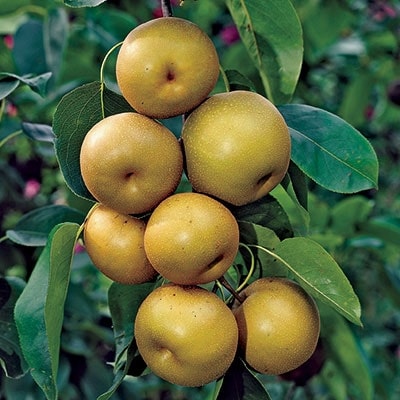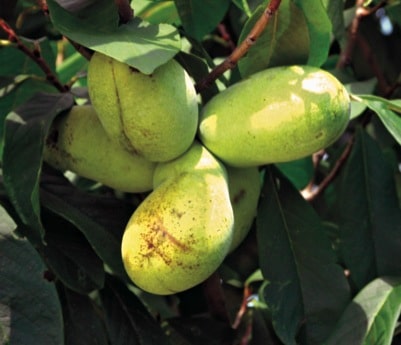
Pawpaw (Sunflower)

$39.99

Sunflower is a widely trusted pawpaw variety selected from the wild in Kansas and grown for dependable production, large fruit, and a classic pawpaw eating experience.

  • Reliable producer with a long track record in home orchards
  • Sweet, tropical flavor when fully ripe; rich yellow flesh
  • Large fruit; KSU reporting places average fruit weight around 5.5 oz
  • Seed content reported around 8.6% by weight
  • Reported to set some fruit alone; yields improve with a pollination partner within 20–30 feet
Add to Wishlist
Add to Wishlist
SKU: N/A Categories: , Tag:

Description

Sunflower is a classic American pawpaw selection—found in Kansas and kept in circulation because it produces. It’s one of the most widely planted named pawpaws for growers who want dependable harvests without needing a finicky, high-maintenance tree to get there.

When it’s fully ripe, Sunflower delivers the flavor people hope pawpaw will taste like: sweet, tropical, and rich, with yellow, spoonable flesh. This isn’t a fruit you judge underripe—Sunflower shines when it softens, becomes aromatic, and the pulp scoops cleanly.

In Kentucky State University reporting, Sunflower is commonly cited around 5.5 oz per fruit on average, and seed content is reported around 8.6% by weight. It’s also widely reported as partially self-fertile—able to set some fruit alone—but most growers see better, more consistent crops with another variety planted close by.

Overview

  • Widely grown, dependable pawpaw with a long track record
  • Sweet tropical flavor and rich yellow flesh at full ripeness
  • Large fruit; average reported around 5.5 oz
  • Seed content reported around 8.6% by weight
  • Reported to set some fruit alone; yields improve with cross-pollination

Growing Details

Latin Name: Asimina triloba ‘Sunflower’
Site and Soil: 1/2 day to full day of sun; well-drained soil
Chill Requirement: Not typically expressed in chill hours for pawpaws; performs best in temperate regions with warm summers
Hardiness: USDA Zone 5–8
Rootstock: Grafted onto pawpaw rootstock
Bearing Age: 3–5 years after planting
Size at Maturity: Typically 15–25 ft tall and wide; can be maintained smaller with pruning
Bloom Time: Mid-spring
Ripening Time: Mid within pawpaw varieties; typically Sept 8–Sept 20 in Frankfort, KY (varies by region)
Fruit Weight: Average reported ~5.5 oz per fruit (varies by season and crop load)
Seed Content: Reported ~8.6% seed by weight (varies by growing conditions)
Texture Class: Classic custard (soft, spoonable at full ripeness)
Pollination: Reported to set some fruit alone; yields improve with a genetically distinct pawpaw variety within 20–30 feet
Pests & Diseases: Generally low disease pressure with good airflow and moisture management
Yield: Dependable producer once established

Additional Notes

  • Grower’s Insight: Sunflower is a “harvest rhythm” pawpaw—check fruit daily in season, let it soften indoors, and judge it only at full ripeness. That’s when the flavor and texture show up.
  • Regional Insight: In cooler-summer regions like the Puget Sound, plant pawpaws in as much sun as you can give them—more sun drives stronger growth and improves your odds of finishing fruit quality cleanly.
  • Heritage Note: Selected from the wild near Chanute, Kansas (1970) and widely shared for its reliability and production.
  • Even when a cultivar is reported to set fruit alone, a nearby partner typically increases fruit size, consistency, and overall yield.
  • Explore more pawpaw varieties in our collection: Pawpaw Trees

Planting & Care

At a Glance – Sunflower Pawpaw

  • Sun: 1/2 day to full day of sun (Puget Sound: as much sun as possible)
  • Soil: Well-drained, fertile soil with steady moisture
  • Water: Consistent during establishment; avoid drying out
  • Size: Typically 15–25 ft at maturity
  • Pollination: Reported to set some fruit alone; better yields with a partner within 20–30 feet
  • Harvest: Mid within pawpaw varieties; typically Sept 8–Sept 20 (Frankfort, KY reference)
  • Hardiness: USDA Zone 5–8

Planting & Care – Sunflower Pawpaw

What Makes Pawpaws Different

  • Pawpaws develop a strong taproot early and can be sensitive to root disturbance.
  • For best success, plant container-grown trees and keep the root ball intact—avoid disturbing or “teasing out” roots.
  • Bare-root pawpaws have a significantly higher failure rate than container-grown trees, especially if roots dry or are damaged.

Site Selection (Climate Matters)

  • Cool-summer regions (including the Puget Sound): Plant pawpaws in as much sun as possible. In our experience here, they do not need shade cloth—sun helps them establish faster and improves fruit finish.
  • Warm to hot-summer regions: Young trees may benefit from light protection from extreme afternoon heat during their first season, especially in exposed sites.
  • Choose a spot protected from strong winds and avoid frost pockets when possible.

Soil Preparation

  • Plant in deep, well-drained soil that holds steady moisture.
  • Avoid compacted ground or areas that stay waterlogged.
  • Mulch is a major advantage for pawpaws—it stabilizes moisture and protects shallow feeder roots.

Planting Instructions

  • Plant in spring after hard freezes, or early fall where winters are mild.
  • Dig a hole 2–3x as wide as the container, but no deeper than the root ball.
  • Slide the tree out carefully and keep the root ball intact—do not disturb the roots.
  • Set the tree with the root flare at or slightly above soil level.
  • Backfill with native soil, water deeply, and mulch 2–3 inches (keep mulch off the trunk).

Watering & Fertilizing

  • Keep soil consistently moist during the first 1–2 years. Pawpaws struggle when they cycle hard from wet to dry while establishing.
  • Once established, water deeply during extended dry periods.
  • Fertilize lightly in spring only if growth appears weak; avoid heavy feeding that pushes soft, stressed growth.

Pollination

  • Sunflower is widely reported to set some fruit alone, but cross-pollination typically increases yield and consistency.
  • Plant another named pawpaw cultivar within 20–30 feet.
  • In areas with limited natural pollinators, hand pollination can significantly improve fruit set.

Pruning, Training & Harvest

  • Minimal pruning is needed—remove damaged wood and keep structure balanced.
  • Thin fruit if the tree sets heavily to improve size and reduce limb stress.
  • Harvest when fruit softens and releases easily; full ripeness is where pawpaw flavor and texture actually show up.

General Tips

  • Mulch and consistent moisture are the two biggest “make-or-break” factors in establishment.
  • If fruit set is inconsistent, add another cultivar nearby and consider hand pollination during bloom.