Description
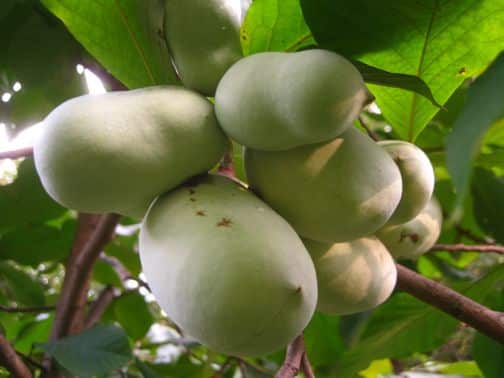
Potomac® is a Peterson pawpaw selection valued for fruit size, flesh yield, and overall eating quality. It’s often grouped with the highest-performing modern pawpaw cultivars, particularly for growers who care about how much usable fruit they actually get. The defining trait is seed content. Potomac® is widely cited at roughly 4% seed by weight, which translates to noticeably more edible flesh per fruit and less waste during preparation. That alone makes it stand out among named pawpaw varieties. Fruit size can be impressive. In strong seasons, Potomac® has been reported at 12+ oz, while Kentucky trial data shows an average closer to 8 oz. When fully ripe, the texture is smooth and rich—firm at first, then melting—making it especially satisfying for fresh eating and for processing into pulp.
Overview
- Peterson pawpaw selection known for high flesh-to-seed ratio
- Very low seed content (~4% by weight)
- Large fruit with smooth, rich texture at ripeness
- Mid-season ripening within pawpaw varieties
- Pollination required for reliable fruit set
Growing Details
Latin Name: Asimina triloba ’Potomac’
Site and Soil: 1/2 day to full day of sun; well-drained soil
Chill Requirement: Not typically expressed in chill hours for pawpaws; performs best in temperate regions with warm summers
Hardiness: USDA Zone 5–8
Rootstock: Grafted onto pawpaw rootstock
Bearing Age: 3–5 years after planting
Size at Maturity: Typically 15–25 ft tall and wide; can be maintained smaller with pruning
Bloom Time: Mid-spring
Ripening Time: Mid within pawpaw varieties; typically Sept 8–Sept 20 in Frankfort, KY (varies by region)
Fruit Weight: Up to 12+ oz; more commonly 8–12 oz (varies by season and crop load)
Seed Content: Approximately 4% seed by weight (reported)
Texture Class: Smooth custard (firm-to-melting at ripeness)
Pollination: Pollination required; plant a genetically distinct pawpaw variety within 20–30 feet
Pests & Diseases: Generally low disease pressure with good airflow and moisture management
Yield: Productive once established
Additional Notes
- Grower’s Insight: Potomac® is often chosen for pulp yield—low seed content makes a real difference when you’re actually eating or processing the fruit.
- Regional Insight: In cooler-summer regions like the Puget Sound, planting in full sun helps mid-season cultivars like Potomac® finish with better flavor and texture.
- Allow fruit to reach full ripeness—soft and aromatic—for the smooth texture and richness Potomac® is known for.
- Fruit bruises easily once ripe; plan to eat fresh quickly or scoop pulp for freezing.
- Explore more pawpaw varieties in our collection: Pawpaw Trees