Pakistan Fruiting Mulberry

(1 customer review)

Price range: $29.99 through $129.99

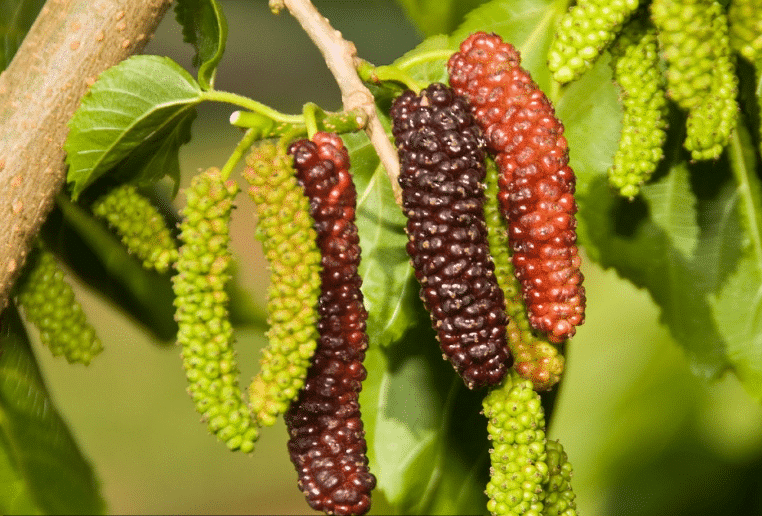
Pakistan mulberry is a showstopper fruit tree—producing remarkably long, sweet berries with rich flavor and a fresh-picked experience that feels almost unreal the first time you harvest them.

  • Exceptionally long, slender mulberries with impressive size
  • Very sweet, rich flavor when fully ripe
  • Fast-growing, productive tree once established
  • Low-acid fruit ideal for fresh eating
  • Heat tolerant and well adapted to a wide range of climates
Add to Wishlist
Add to Wishlist
SKU: Pakistan Fruiting Mulberry Categories: , Tag:

Description

Pakistan mulberry—often referred to as a shahtoot-type mulberry—is grown for one reason: extraordinary fruit. The berries are dramatically longer than standard mulberries, with a deep sweetness and soft texture that make them unforgettable straight off the tree.

The eating experience is where this variety truly shines. Fully ripe fruit is rich and honeyed, with very low acidity and no sharp edges. The berries are best enjoyed fresh, where their size, softness, and sweetness can be fully appreciated, though they also perform well for drying and preserves.

Pakistan mulberry is also a vigorous and productive grower. Once established, trees can produce heavy crops and handle summer heat with ease, making them a favorite for growers who want both abundance and standout fruit quality.

Overview

  • Produces exceptionally long, slender mulberries
  • Very sweet flavor with low acidity
  • Heavy producer once established
  • Fast-growing and heat tolerant
  • Best enjoyed fresh at full ripeness

Growing Details

Latin Name: Morus macroura ’Pakistan’
Site and Soil: 1/2 day to full day of sun; adaptable to most well-drained soils
Hardiness: USDA Zone 7–10
Rootstock: Russian mulberry (Morus alba tatarica)
Bearing Age: 1–3 years
Size at Maturity: Typically 15–25 ft tall and wide without pruning
Flowering: Spring; inconspicuous catkins (not showy)
Ripening Time: Early to mid-summer, varying by region
Pollination: Self-fertile
Pests & Diseases: Generally low-maintenance with few serious issues
Yield: Heavy producer once mature

Additional Notes

  • Grower’s Insight: Pakistan mulberry is one of those trees that resets expectations. The fruit length alone is striking, but it’s the sweetness and softness at peak ripeness that makes growers come back year after year.
  • Regional Insight: Performs especially well in warm-summer regions, but also succeeds in the Pacific Northwest where summers provide enough heat for full flavor development.
  • Harvest fruit fully ripe for best sweetness and texture.
  • Fresh eating is where this variety truly excels, though fruit can also be dried.
  • Explore more mulberries in our collection: Mulberry Trees

Planting & Care

At a Glance – Pakistan Mulberry

  • Sun: 1/2 day to full day of sun
  • Soil: Adaptable; prefers well-drained soil
  • Water: Moderate; drought tolerant once established
  • Size: Large tree unless managed with pruning
  • Pollination: Self-fertile
  • Harvest: Early to mid-summer
  • Hardiness: USDA Zone 7–10

Planting & Care – Pakistan Mulberry

Site Selection

  • Choose a sunny location for best fruit size and sweetness.
  • Full sun is ideal, though partial sun is tolerated.
  • Allow adequate space or plan for regular pruning.

Soil Preparation

  • Mulberries adapt to many soil types but prefer good drainage.
  • Avoid sites with standing water or prolonged saturation.
  • Ideal soil pH ranges from 6.0 to 7.5.

Planting Instructions

  • Dig a hole twice as wide as the root system.
  • Set the root flare at or just above soil level.
  • Backfill with native soil and water deeply.
  • Mulch 2–3″ deep, keeping mulch away from the trunk.

Watering & Fertilizing

  • Water regularly during the first growing season.
  • Once established, water deeply but infrequently.
  • Mulberries typically require little to no fertilization.

Pruning & Size Management

  • Prune during dormancy to manage size and shape.
  • Can be kept smaller with annual pruning.
  • Remove crossing or damaged branches as needed.

Harvest & Use

  • Harvest when fruit is fully dark and soft for best flavor.
  • Fruit does not store long; enjoy fresh or process quickly.
  • Excellent for fresh eating and drying.

General Tips

  • Birds love mulberries—netting may be helpful in heavy pressure areas.
  • Expect increasing yields as the tree matures.
  • Minimal care once established makes this an easy, rewarding tree.