Bigger plants, shipped nationwide year round|Every plant guaranteed|Trusted by 20,000+ growers

Nectarine (Panamint)

Price range: $39.99 through $69.99

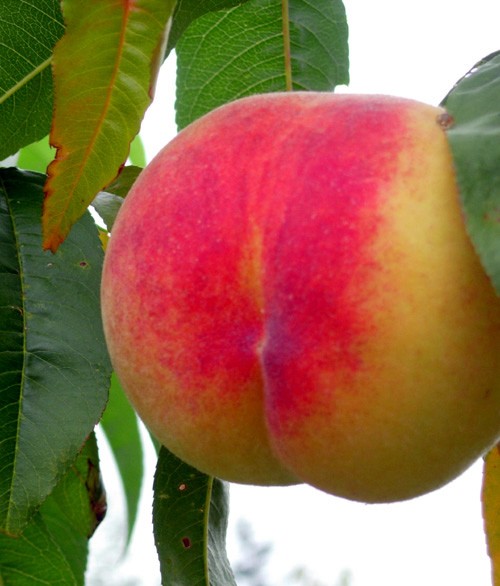
A classic yellow nectarine with smooth skin, juicy flesh, and bright summer flavor. Panamint delivers reliable crops on a compact semi-dwarf tree.

  • Sweet yellow freestone nectarine
  • Smooth skin, juicy texture
  • Compact semi-dwarf tree (10–12 ft)
  • Self-fertile

Shop both locations freely. Picking up? Choose your location at checkout. Shipping? Stock location does not matter, we will handle it. Combined orders may take 3 to 7 days.

Total in stock: -

Add to Wishlist
Add to Wishlist
Arrives healthy, guaranteed. Problem within 14 days? Send a photo and we replace it or credit you.
Ships in 1 to 4 business days from our nursery in Washington state, in a 36 inch box.
Grows in zones 6 to 9B.
SKU: Nectarine (Panamint) Categories: , Tag:
From our inbox

The trees were delivered promptly and they are the biggest, best looking mail-order trees I have seen in a long time. I will be ordering more in the future.

Website customer

I have been buying from your nursery for years, and hands down your citrus has survived the best out of all of my sources. I have never lost a plant in my colder climate.

Returning customer

Absolutely beautiful trees, especially compared to some of the other mail order bare roots I have gotten from other companies.

Website customer

Description

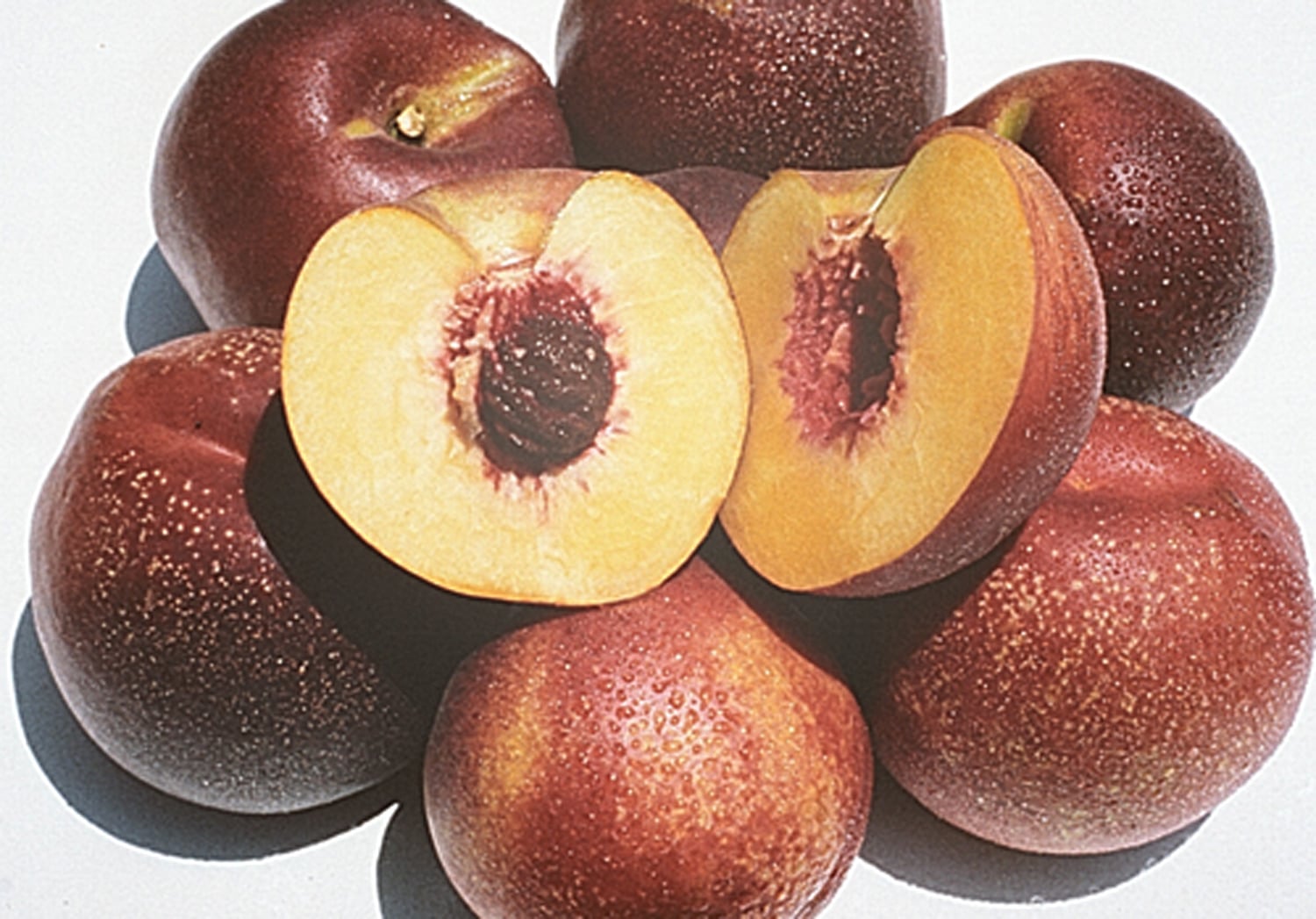
Panamint Nectarine is a classic summer nectarine—juicy, sweet, and deeply satisfying. It produces smooth-skinned fruit with bright yellow flesh and a rich, well-balanced flavor that delivers both sweetness and freshness in every bite.

This is a dependable, no-nonsense nectarine that excels at fresh eating. The fruit ripens evenly, develops excellent sugar when allowed to fully color, and is especially refreshing on warm summer days. The tree grows with a compact, manageable habit, making Panamint a great fit for home orchards where space and productivity both matter.

Overview

  • Classic yellow nectarine with bright, refreshing flavor.
  • Smooth skin and juicy, aromatic flesh.
  • Excellent fresh-eating nectarine.
  • Compact semi-dwarf tree ideal for home orchards.
  • Self-fertile—no pollination partner required.

Growing Details

Latin Name: Prunus persica var. nucipersica ‘Panamint’
Site and Soil: 1/2 day to full day of sun; well-drained soil
Rootstock: Citation
Hardiness: USDA Zone 6–9
Bearing Age: 1–3 years
Size at Maturity: 10–12 ft (compact semi-dwarf habit)
Bloom Time: Mid-spring
Ripening Time: Early to mid-season
Pollination: Self-fertile
Fruit Type: Freestone nectarine
Pests & Diseases: Nectarines can be prone to Peach Leaf Curl in cool, wet-spring climates; benefits from good airflow and appropriate dormant care

Additional Notes

  • Grower’s Insight: Panamint is valued for its clean, straightforward nectarine flavor—when allowed to fully ripen on the tree, it develops excellent sweetness without becoming overly soft.
  • An excellent choice for growers who want a reliable, classic nectarine.
  • Perfect for fresh eating, summer desserts, and sharing.
  • Explore more peaches and nectarines in our collection: Peach & Nectarine Trees
Planting & Care

At a Glance – Panamint Nectarine

  • Sun: 1/2 day to full day of sun
  • Soil: Well-drained soil
  • Water: Keep evenly moist during establishment
  • Tree Size: Compact semi-dwarf (10–12 ft)
  • Pollination: Self-fertile
  • Harvest: Early to mid-season
  • Hardiness: USDA Zone 6–9

Planting & Care – Panamint Nectarine

Site Selection

  • Choose a sunny location with good airflow.
  • Full sun improves sweetness and fruit quality.

Soil Preparation

  • Plant in well-drained soil with moderate organic matter.
  • Raised beds or mounded planting help in heavier soils.

Planting Instructions

  1. Plant at the same depth as the nursery container.
  2. Water deeply after planting.
  3. Mulch lightly, keeping mulch away from the trunk.

Watering & Fertilizing

  • Water consistently during establishment and fruit development.
  • Apply balanced fertilizer in early spring.
  • Avoid excess nitrogen late in the season.

Pruning

  • Train to an open-center form for best light and fruit quality.
  • Annual pruning maintains size and productivity.
  • Thin fruit early to improve size and prevent limb stress.

Harvest & Use

  • Harvest when fruit is fully colored and slightly soft.
  • Excellent for fresh eating and summer desserts.

General Tips

  • Handle nectarines gently to avoid bruising.
  • Good airflow supports long-term tree health.

No reviews of this plant yet.