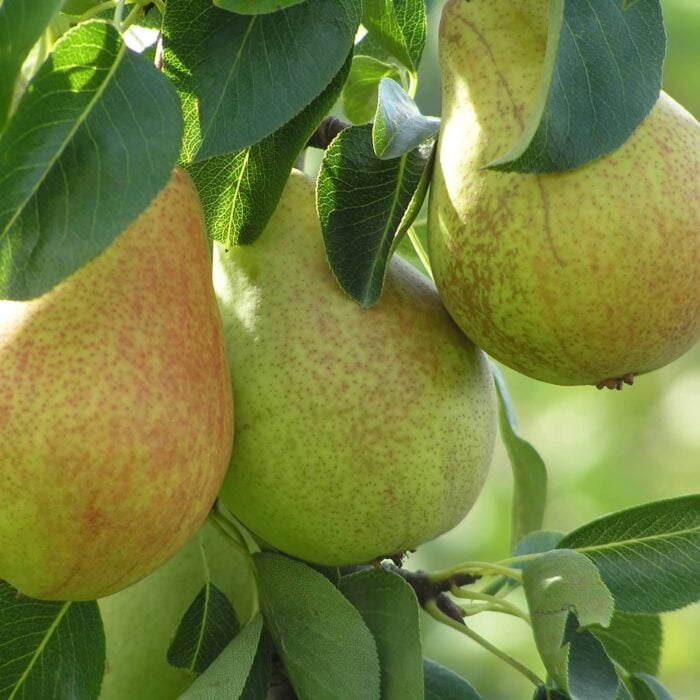
Description
Royal is a heritage English medlar cultivar, introduced into U.S. commerce in the late 20th century and well established in home-orchard catalogs both in the UK and in North America. It carries the kind of steady, well-documented profile that has kept English heritage fruit varieties in active production for generations.
The fruit is medium-sized with good flavor after bletting — harvested hard and brown in October, then held in cool storage for several weeks until the flesh softens into the soft, sweet-tart, applesauce-like character medlar is valued for. Royal is noted for precocious bearing: trees often carry meaningful crops while still relatively young, which makes it a good choice for growers who want fruit sooner rather than later. Bletted fruit can be eaten with a spoon or cooked into jams, jellies, fruit butters, and medlar paste.
Royal is self-fertile and reliably productive once it begins bearing. It prefers full to half-day sun and well-drained soil, is hardy across roughly USDA Zone 5–8, and like medlar generally is comparatively low-pressure for pests and diseases. The tree carries the species’ large white cup-shaped spring flowers and russet-bronze autumn foliage, giving it good ornamental presence year-round in the garden.
Overview
- English heritage medlar cultivar.
- Medium-sized fruit with good flavor after bletting.
- Precocious — bears meaningful crops while still young.
- Self-fertile; reliably productive.
- Suitable across roughly USDA Zone 5–8.
- Showy white spring flowers and russet-bronze autumn foliage.
Growing Details
Latin Name: Mespilus germanica ‘Royal’
Site and Soil: 1/2 day to full day of sun; well-drained soil
Hardiness: Roughly USDA Zone 5–8
Rootstock: Grafted onto Provence Quince BA29C rootstock
Bearing Age: Precocious — often bears meaningful crops while still young
Size at Maturity: Approximately 8–12 ft tall and wide; small, spreading ornamental form
Bloom Time: May; large white cup-shaped flowers
Ripening Time: October; fruit then requires bletting before eating
Pollination: Self-fertile
Pests & Diseases: Medlar is comparatively low-pressure for pests and diseases across most growing regions
Additional Notes
- Grower’s Insight: Royal’s precocious bearing — meaningful crops from young trees — is the cultivar’s principal practical appeal for home growers who want fruit sooner rather than waiting longer for a slower-cropping medlar to mature.
- Regional Insight: Medlar performs across a wide swath of temperate North America, from the maritime Pacific Northwest through the upper Midwest and Northeast into the upper South; Royal’s English-heritage origin suits it well to maritime and continental climates with mild-to-cold winters.
- Explore more medlar in our collection: Medlar