Bare-root pre-orders are open, shipping late January|Every plant guaranteed|Trusted by 20,000+ growers

Medlar (Nèfle Tardive)

★★★★★★★★★★ 5.0 (1 review)

$34.99

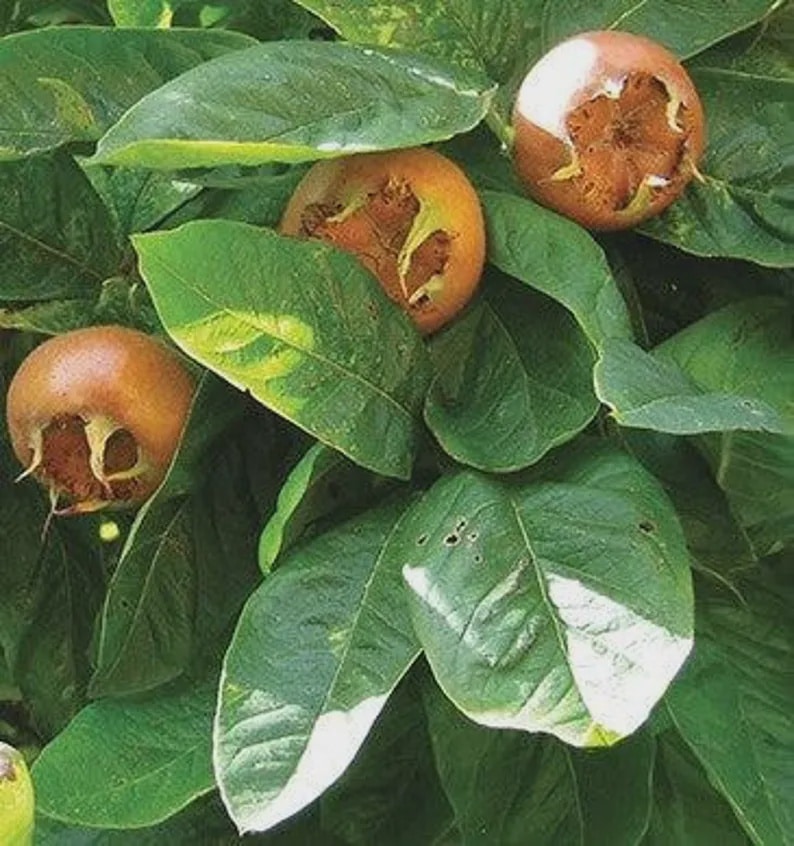
Nèfle Tardive is a late-ripening French medlar — the name means “late medlar” — introduced to the USDA Corvallis station and known for abundant crops of large, dark-brown fruit with a creamy, applesauce-like texture after bletting. It is self-fertile, very cold-hardy, and stays smaller than typical medlars at about 6–8 feet.

  • French selection; “Nèfle Tardive” means “late medlar.”
  • Late-ripening — fruit mature later than most medlars.
  • Large, dark-brown fruit with creamy, applesauce-like texture after bletting.
  • Compact habit at roughly 6–8 ft — smaller than most medlars.
  • Self-fertile; very cold-hardy, to USDA Zone 4.

Shop both locations freely. Picking up? Choose your location at checkout. Shipping? Stock location does not matter, we will handle it. Combined orders may take 3 to 7 days.

Total in stock: -

Add to Wishlist
Add to Wishlist
Arrives healthy, guaranteed. Problem within 14 days? Send a photo and we replace it or credit you.
Ships in 1 to 4 business days from our nursery in Washington state, in a 36 inch box.
SKU: Medlar (Nèfle Tardive) Categories: ,
What our customers say

The trees were delivered promptly and they are the biggest, best looking mail-order trees I have seen in a long time. I will be ordering more in the future.

Website customer · email

The bare roots are by far the most established roots that I have ever seen on a bareroot tree.

Website customer · email

It looks like it is at least 7 feet tall. I certainly was not expecting it to be that big.

Lisa · email

Absolutely beautiful trees, especially compared to some of the other mail order bare roots I have gotten from other companies.

Website customer · email

An extra long box for taller trees is totally worth it to me. The trees are great.

William · email

The plants look beautiful and healthy. I was impressed by the size and strength of the 3-Cherry Tree.

Jose · email

Bare root was in great condition. A lot of branching and looks ready for a harvest this year. Best fruit trees in the business!

Daniel, Lapin cherry · website review

Very nice big tree, some limbs already blooming. I've planted it and it hasn't wilted. Arrived quickly and very well packaged.

Beulah, 4 in 1 Fruit Salad · website review

They have really healthy plants, all were larger than I expected. I for sure will be ordering more from them!

Billie · website review

Arrived quickly and in great shape, larger than I had expected too.

Ralph, red currant · website review

Thank you so much for these lovely hardy kiwis. They are much bigger than expected. Will be ordering from you again.

Irene · email

Boxed perfect. Shipped on time. Excellent quality stock. About the only thing you could do to improve my experience would be to fly out to Maine and plant them for me.

Don, Maine · email

I have been buying from your nursery for years, and hands down your citrus has survived the best out of all of my sources. I have never lost a plant in my colder climate.

Returning customer · email

The packaging for those kiwis was brilliant and by far the best packaging job out of any place I ordered from this year. Your Annas are tough as nails.

Travis · email

I received my pink currant in perfect condition. I am always amazed since I live in the southeast and they are in the northwest!

Susan · website review

All 3 bushes arrived looking healthy. It's been over a month and they are still going strong.

Vlad, Rovada red currant · website review

Description

Nèfle Tardive is a French medlar selection — the name translates literally as “late medlar” — that was introduced into U.S. commerce through the USDA’s Corvallis station and has built a reliable record in the Pacific Northwest and other cool-summer regions where late-ripening fruit gets the extra finishing time the variety prefers.

The fruit is large and dark-brown, with a creamy, applesauce-like texture and a sweet-tart flavor that develops after bletting. Harvest is later than most medlars — typically mid to late October — and fruit is then held in cool storage for several weeks until the flesh softens into the bletted state. Bletted Nèfle Tardive can be eaten fresh with a spoon, or cooked into jams, jellies, fruit butters, and medlar paste. The tree itself is smaller and more compact than most medlars at roughly 6 to 8 feet, with the species’ large white spring flowers and russet-bronze autumn foliage.

Nèfle Tardive is self-fertile and very cold-hardy — suitable across USDA Zone 4 and warmer. It prefers full to half-day sun and well-drained soil, typically begins bearing two to three years after planting on its quince rootstock, and like medlar generally is comparatively low-pressure for pests and diseases across most growing regions.

Overview

  • French medlar selection introduced through the USDA Corvallis station.
  • “Nèfle Tardive” — late medlar — ripens later than most varieties.
  • Large, dark-brown fruit; creamy, applesauce-like texture after bletting.
  • Naturally smaller and more compact at roughly 6–8 ft.
  • Self-fertile; very cold-hardy, to USDA Zone 4.
  • Showy white spring flowers and russet-bronze autumn foliage.

Growing Details

Latin Name: Mespilus germanica ‘Nèfle Tardive’
Site and Soil: 1/2 day to full day of sun; well-drained soil
Hardiness: Hardy to USDA Zone 4; Very cold-hardy
Rootstock: Grafted onto Provence Quince BA29C rootstock
Bearing Age: 2–3 years after planting
Size at Maturity: Approximately 6–8 ft tall and wide; naturally smaller than typical medlars
Bloom Time: May; large white cup-shaped flowers
Ripening Time: Mid to late October — later than most medlars; fruit then requires bletting before eating
Pollination: Self-fertile
Pests & Diseases: Medlar is comparatively low-pressure for pests and diseases across most growing regions

Additional Notes

  • Grower’s Insight: Nèfle Tardive’s combination of late ripening, compact habit, and applesauce-textured bletted fruit makes it one of the more rewarding medlars for cool-summer gardens and for growers with limited space.
  • Regional Insight: Medlar performs across a wide swath of temperate North America, and Nèfle Tardive’s cold-hardiness and late-ripening character suit it especially to northern, maritime, and cool-summer regions where the longer hang time supports good fruit development.
  • Explore more medlar in our collection: Medlar
Planting & Care

At a Glance
– 1/2 day to full day sun
– Well-drained soil
– Self-fertile — no pollinator required
– Compact habit — light pruning only
– Harvest in mid to late October, then blet in cool storage

Planting & Care – Nèfle Tardive Medlar

Nèfle Tardive grows best in full to half-day sun in well-drained soil. Medlar tolerates a range of soil types but does not appreciate standing water. In colder pockets of its range, a sheltered position helps support reliable bearing.

Water consistently during establishment in the first two seasons. Once established, the tree handles moderate dry periods reasonably well, but consistent summer moisture supports better fruit sizing.

Pruning needs are light. Nèfle Tardive’s smaller, more compact habit means most plants need only light shaping to maintain structure and open the canopy to airflow. Any heavier pruning is best done in late winter while the tree is dormant.

Harvest in mid to late October when fruit is fully sized and the skin has turned dark brown, but while the flesh is still firm. Bring fruit indoors and blet in a cool, dry place for several weeks until the flesh softens and develops the creamy applesauce-like character the variety is known for.

Bletted fruit can be eaten with a spoon, scooped from the skin, or cooked into jams, jellies, fruit butters, and medlar paste. The flavor pairs well with apple, pear, and warm spices.

5.0
★★★★★★★★★★
1 review
4 star0
3 star0
2 star0
1 star0
★★★★★★★★★★

The Medlar tree arrived safely, and since it's arrival it has a lot of new growth. Very impressive!

Kevin · Verified buyer · Sep 2026