Description
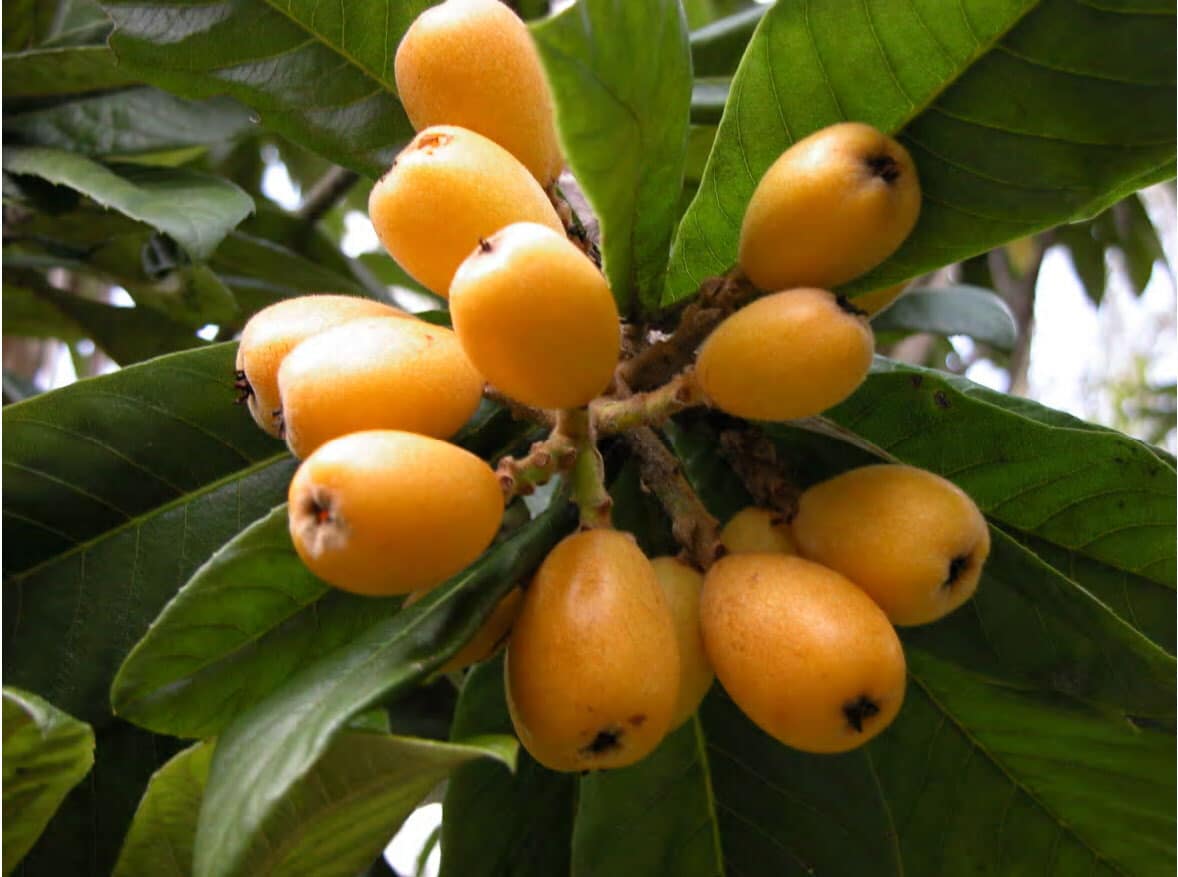
Premier Dwarf Loquat is appreciated for combining manageable size with real eating quality. This cultivar grows more slowly and compactly than many loquats, making it especially appealing for patios, containers, and smaller edible landscapes where space matters.
Originating in Orange, California in the late 1800s, Premier was selected for home use rather than shipping—an important clue to how it’s best enjoyed. When allowed to fully ripen on the tree, the fruit develops good sweetness and flavor, rewarding patience more than early picking.
Premier ripens in spring and is best thought of as a mid-to-late season loquat within the species. Fruit size and timing can vary significantly by climate and crop load, and thinning heavy clusters helps improve final size and overall quality.
Overview
- Naturally compact loquat often sold as “dwarf”
- Sweet, good-quality fruit for fresh eating
- Spring ripening; mid-to-late within loquats
- Excellent choice for containers and small spaces
- Fruit set and size improve with cross-pollination
Growing Details
Latin Name: Eriobotrya japonica ’Premier’
Site and Soil: 1/2 day to full day of sun; well-drained soil
Chill Requirement: Not applicable; loquat is a subtropical evergreen
Hardiness: USDA Zone 8–11 (flowers and fruit are more cold-sensitive than the tree)
Rootstock: Grafted onto loquat seedling
Bearing Age: 1–3 years
Size at Maturity: Naturally compact; typically maintained at 6–10 ft tall and wide with pruning or container culture
Bloom Time: Fall to winter (timing varies by climate)
Ripening Time: Spring; mid-to-late season within loquats depending on region
Pollination: Often sets fruit on its own; planting another loquat within 20–30 feet can improve yield and fruit size
Pests & Diseases: Standard loquat considerations; good airflow and drainage are important
Yield: Moderate; improves with good sun, drainage, and thoughtful thinning
Additional Notes
- Grower’s Insight: Premier traces back to Orange, California (1899) and was selected for home gardens rather than shipping. That heritage shows—this is a loquat meant to be eaten ripe from the tree, not handled roughly or harvested early.
- Regional Insight: Performs best in warm, mild-winter regions. In humid Gulf and Deep South climates, Premier has shown sensitivity to fire blight pressure, making site selection and airflow especially important.
- Cold-climate experiment: A peer-reviewed study found that removing (cutting off) the main flower cluster can induce reflowering and shift bloom later—an intriguing tool for growers experimenting with loquats in freeze-prone climates. Read the study.
- Thin heavy fruit clusters to improve size and reduce stress on branches.
- Explore more loquats in our collection: Loquat Trees