Bare-root pre-orders are open, shipping late January|Every plant guaranteed|Trusted by 20,000+ growers

Gooseberry (Shefford)

$22.99

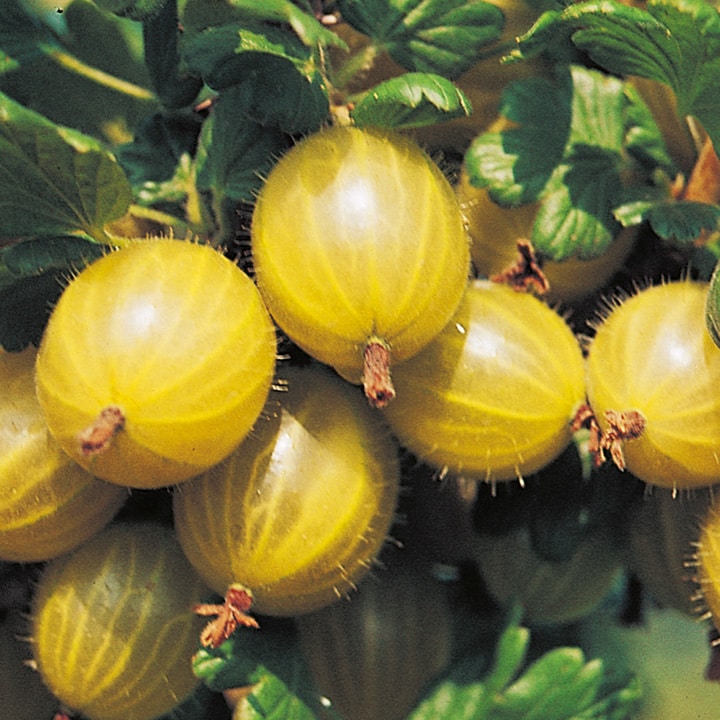
Shefford is a golden-yellow gooseberry on a nearly thornless bush, and it is rarely offered anywhere. The berries are large, sweet and crisp.

  • Large golden-yellow fruit, sweet and crisp, at its best eaten fresh.
  • Few thorns if any, so the bush is comfortable to pick and to prune.
  • A Canadian breeding selection, in the USDA collection since 1995.
  • Self-fertile; one plant is all it takes.
  • Full sun to part shade, with some afternoon shade where summers run hot.

Shop both locations freely. Picking up? Choose your location at checkout. Shipping? Stock location does not matter, we will handle it. Combined orders may take 3 to 7 days.

Total in stock: -

Add to Wishlist
Add to Wishlist
Arrives healthy, guaranteed. Problem within 14 days? Send a photo and we replace it or credit you.
Ships in 1 to 4 business days from our nursery in Washington state, in a 36 inch box.
SKU: Gooseberry (Shefford) Categories: , Tag:
From our inbox

The trees were delivered promptly and they are the biggest, best looking mail-order trees I have seen in a long time. I will be ordering more in the future.

Website customer

Boxed perfect. Shipped on time. Excellent quality stock. About the only thing you could do to improve my experience would be to fly out to Maine and plant them for me.

Don, Maine

The bare roots are by far the most established roots that I have ever seen on a bareroot tree.

Website customer

Description

Shefford came out of a Canadian breeding program in Ottawa and reached the USDA collection in 1995, which is where it was picked up and brought back into the trade. It has never been widely grown, so it is an uncommon thing to have in a garden.

The berries are large and golden yellow, sweet and crisp, and they are best appreciated straight off the bush. The canes carry few thorns if any, which makes picking and pruning easy work. Give it what any gooseberry wants: sun or part shade, rich well drained soil, and air moving around the plant.

Overview

  • Large golden-yellow berries, sweet and crisp, best fresh.
  • Few thorns if any; easy to pick and prune.
  • An uncommon Canadian selection, rarely offered.
  • Hardy and self-fertile; one bush sets a crop.

Growing Details

Latin Name: Ribes ‘Shefford’
Site and Soil: Full sun to part shade; rich, well drained soil, pH 6.0 to 7.0
Hardiness: Hardy to USDA Zone 3
Rootstock: Grown from cuttings
Bearing Age: Light crop the first year; full crops by year 3 or 4
Size at Maturity: About 3 to 4 ft tall and wide
Ripening Time: Mid season for a gooseberry; July
Pollination: Self-fertile; a single bush sets a full crop
Pests & Diseases: Powdery mildew; currant worm strips leaves from the inside out

Additional Notes

  • Grower’s Insight: Yellow gooseberries reward waiting. Picked early they are sharp; the sugar arrives at the end, when the skin turns translucent.
  • Regional Insight: Gooseberries perform best where summers stay cool to moderate, from the Upper Midwest and New England to the Pacific Northwest and Rocky Mountain states.
  • Explore more berries in our collection: Berries
Planting & Care

At a Glance – Shefford Gooseberry

  • Sun: Full sun to part shade
  • Soil: Rich, well drained soil, pH 6.0 to 7.0
  • Water: Regular water during establishment; consistent moisture through fruiting
  • Size: About 3 to 4 ft tall and wide
  • Pollination: Self-fertile; a single bush sets a full crop
  • Harvest: Midsummer
  • Hardiness: Hardy to USDA Zone 3

Planting & Care – Shefford Gooseberry

Site Selection

  • Choose full sun to part shade, with afternoon shade in hot summers.
  • Give the site room for air to move around the bush.

Soil Preparation

  • Work in compost to build rich, well drained soil.
  • Aim for a pH between 6.0 and 7.0.

Planting Instructions

  1. Dig a hole twice the width of the root ball.
  2. Set the plant at the same depth it grew in its pot.
  3. Backfill, firm gently, and water thoroughly.
  4. Mulch 2 to 3 inches deep, kept away from the stems.

Watering & Fertilizing

  • Water regularly through the first two seasons.
  • Once established, water during dry spells.
  • Feed lightly with a balanced fertilizer in early spring.

Pollination

  • Self-fertile; a single bush sets a full crop.

Pruning & Training

  • Prune in late winter to keep the center open.
  • Remove crossing, weak, or crowded branches each year.
  • Few thorns to work around, so an open-center prune is easy work.

Harvest & Use

  • Wait for full golden color and a translucent skin before picking.
  • Sweet and crisp fresh; the sharper early fruit cooks well.

General Tips

  • A mulched base keeps roots cool through summer heat.

No reviews of this plant yet.