Bare-root pre-orders are open, shipping late January|Every plant guaranteed|Trusted by 20,000+ growers

Gooseberry (Pixwell)

$14.99

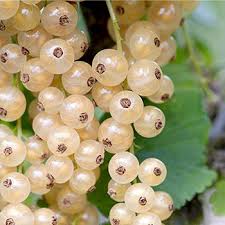
Pixwell hangs its berries in clusters on long, slender stems, which is the whole reason to grow it: picking is quick and your hands stay out of the bush. It is a low, bushy plant bred in North Dakota in 1932 and still a garden standard.

  • Pale green fruit turning pink to light red, thin skinned, excellent cooked.
  • Berries hang well clear of the branch, so a cluster strips in one pass.
  • Low and bushy, about 3 ft each way; takes well to a hedge or a border.
  • Very cold hardy and heavy cropping.
  • Self-fertile; one plant is all it takes.

Shop both locations freely. Picking up? Choose your location at checkout. Shipping? Stock location does not matter, we will handle it. Combined orders may take 3 to 7 days.

Total in stock: -

Add to Wishlist
Add to Wishlist
Arrives healthy, guaranteed. Problem within 14 days? Send a photo and we replace it or credit you.
Ships in 1 to 4 business days from our nursery in Washington state, in a 36 inch box.
SKU: Gooseberry (Pixwell) Categories: , Tag:
What our customers say

The trees were delivered promptly and they are the biggest, best looking mail-order trees I have seen in a long time. I will be ordering more in the future.

Website customer · email

The bare roots are by far the most established roots that I have ever seen on a bareroot tree.

Website customer · email

It looks like it is at least 7 feet tall. I certainly was not expecting it to be that big.

Lisa · email

Absolutely beautiful trees, especially compared to some of the other mail order bare roots I have gotten from other companies.

Website customer · email

An extra long box for taller trees is totally worth it to me. The trees are great.

William · email

The plants look beautiful and healthy. I was impressed by the size and strength of the 3-Cherry Tree.

Jose · email

Bare root was in great condition. A lot of branching and looks ready for a harvest this year. Best fruit trees in the business!

Daniel, Lapin cherry · website review

Very nice big tree, some limbs already blooming. I've planted it and it hasn't wilted. Arrived quickly and very well packaged.

Beulah, 4 in 1 Fruit Salad · website review

They have really healthy plants, all were larger than I expected. I for sure will be ordering more from them!

Billie · website review

Arrived quickly and in great shape, larger than I had expected too.

Ralph, red currant · website review

Thank you so much for these lovely hardy kiwis. They are much bigger than expected. Will be ordering from you again.

Irene · email

Boxed perfect. Shipped on time. Excellent quality stock. About the only thing you could do to improve my experience would be to fly out to Maine and plant them for me.

Don, Maine · email

I have been buying from your nursery for years, and hands down your citrus has survived the best out of all of my sources. I have never lost a plant in my colder climate.

Returning customer · email

The packaging for those kiwis was brilliant and by far the best packaging job out of any place I ordered from this year. Your Annas are tough as nails.

Travis · email

I received my pink currant in perfect condition. I am always amazed since I live in the southeast and they are in the northwest!

Susan · website review

All 3 bushes arrived looking healthy. It's been over a month and they are still going strong.

Vlad, Rovada red currant · website review

Description

Pixwell was bred in North Dakota from a cross made in 1920 and released in 1932, and it has stayed in catalogues ever since because it is dependable. It is hardy, it crops heavily, and it asks for very little, which is most of what a home gooseberry needs to be.

What sets it apart is how the fruit is carried. The berries hang in clusters on long, slender stems well clear of the branch, so you take a handful at a time instead of picking one berry out of a thicket. The fruit is pale green turning pink to light red, thin skinned, and at its best cooked: jam, pie and sauce rather than a dessert berry.

Overview

  • Berries carried in clusters on long stems, quick and easy to pick.
  • Pale green ripening to pink, thin skinned, excellent cooked.
  • Low and bushy, about 3 ft tall and wide.
  • Very hardy and heavy cropping; self-fertile.

Growing Details

Latin Name: Ribes ‘Pixwell’
Site and Soil: Full sun to part shade; rich, well drained soil, pH 6.0 to 7.0
Hardiness: Hardy to USDA Zone 3
Rootstock: Grown from cuttings
Bearing Age: Light crop the first year; full crops by year 3 or 4
Size at Maturity: Low and bushy, about 3 ft tall and wide
Ripening Time: Mid season for a gooseberry; July
Pollination: Self-fertile; a single bush sets a full crop
Pests & Diseases: Powdery mildew; currant worm strips leaves from the inside out

Additional Notes

  • Grower’s Insight: The long stems are the point. Run a hand down a cluster and the berries come away together, which is why this one is still planted as a picking row.
  • Regional Insight: Gooseberries perform best where summers stay cool to moderate, from the Upper Midwest and New England to the Pacific Northwest and Rocky Mountain states.
  • Explore more berries in our collection: Berries

Planting & Care

At a Glance – Pixwell Gooseberry

  • Sun: Full sun to part shade
  • Soil: Rich, well drained soil, pH 6.0 to 7.0
  • Water: Regular water during establishment; consistent moisture through fruiting
  • Size: Low and bushy; about 3 ft tall and wide
  • Pollination: Self-fertile; a single bush sets a full crop
  • Harvest: Midsummer
  • Hardiness: Hardy to USDA Zone 3

Planting & Care – Pixwell Gooseberry

Site Selection

  • Choose full sun to part shade, with afternoon shade in hot summers.
  • Give the site room for air to move around the bush.

Soil Preparation

  • Work in compost to build rich, well drained soil.
  • Aim for a pH between 6.0 and 7.0.

Planting Instructions

  1. Dig a hole twice the width of the root ball.
  2. Set the plant at the same depth it grew in its pot.
  3. Backfill, firm gently, and water thoroughly.
  4. Mulch 2 to 3 inches deep, kept away from the stems.

Watering & Fertilizing

  • Water regularly through the first two seasons.
  • Once established, water during dry spells.
  • Feed lightly with a balanced fertilizer in early spring.

Pollination

  • Self-fertile; a single bush sets a full crop.

Pruning & Training

  • Prune in late winter to keep the center open.
  • Remove crossing, weak, or crowded branches each year.
  • Thorns are few to moderate, so sleeves are usually enough.

Harvest & Use

  • Strip whole clusters by hand once the fruit blushes pink.
  • Best in jam, pie and sauce; thin skins break down well.

General Tips

  • A mulched base keeps roots cool through summer heat.

No reviews of this plant yet.