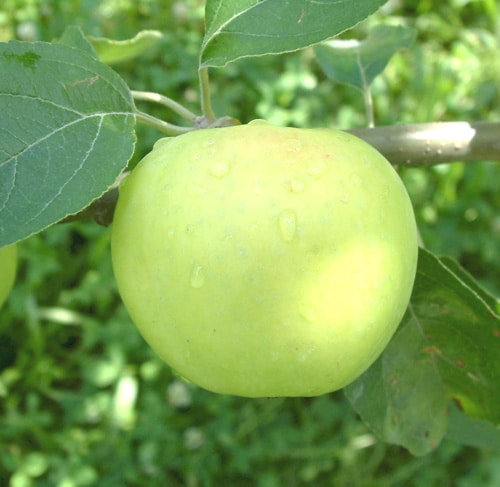
3 Tier Espaliered Combination European Pear

Price range: $59.99 through $79.99

A stunning 3-tier espaliered pear tree featuring Red Bartlett, Bosc, and Bartlett on dwarfing quince rootstock. Compact, productive, and perfect for small spaces or decorative garden walls.

  • Three varieties on one tree
  • Beautiful 3-tier espalier form
  • Dwarfing quince rootstock for compact size
  • Self-contained cross-pollination
Add to Wishlist
Add to Wishlist
SKU: N/A Categories: , , Tag:

Description

This beautifully crafted 3-tier espaliered pear tree features three classic European pear varieties—Red Bartlett, Bosc, and Bartlett—expertly trained to grow flat against a wall, fence, or trellis. It’s an ideal space-saving fruit tree for small gardens, patios, or ornamental plantings where high productivity and visual impact are both desired.

The espalier form creates a living work of art, with horizontal tiers that flower in spring, carry fruit in summer, and display elegant branch structure year-round. Each tier produces its own distinct pear variety, offering a wide range of flavors and uses from early-season dessert pears to firm, late-season keepers.

Grafted onto Provence quince, a dwarfing rootstock, this tree remains exceptionally compact and easy to maintain while producing abundant fruit. Because all three varieties bloom at similar times, they cross-pollinate each other naturally—making this espalier completely self-contained for reliable fruit set.

Overview

  • Three varieties on one espaliered tree: Red Bartlett, Bosc & Bartlett.
  • Stunning 3-tier horizontal espalier form.
  • Perfect for walls, fences, courtyards, and small gardens.
  • Dwarfing quince rootstock keeps the tree compact and easy to manage.
  • Self-contained cross-pollination between grafted varieties.

Varieties Included

This 3-tier espalier always includes the following three European pear varieties:

  • Red Bartlett — red-skinned selection of Bartlett with sweet, aromatic flesh; excellent for fresh eating and canning.
  • Bosc — firm, honey-sweet late-season pear; outstanding for baking, roasting, and long-term storage.
  • Bartlett — classic early-season pear; juicy, aromatic, and ideal for fresh eating, canning, and preserves.

Growing Details

Latin Name: Pyrus communis
Site and Soil: 1/2 day to full day of sun; well-drained soil
Rootstock: Provence Quince (dwarfing)
Hardiness: USDA Zone 5–9
Bearing Age: 1–3 years
Size at Maturity: Typically maintained at 6–8 ft tall and 6–10 ft wide when espaliered
Bloom Time: Mid-season across all three varieties
Ripening Time: Sequential—late summer through fall
Pollination: Self-contained; varieties cross-pollinate each other
Pests & Diseases: Good vigor; quince improves fruit quality and precocity
Yield: Heavy crops once established

Additional Notes

  • Nerdy fact: Espalier training dates back over a thousand years to medieval monastery gardens, where warm stone walls helped pears ripen earlier and more evenly.
  • Espalier improves fruit color, airflow, and sunlight exposure—enhancing overall yield.
  • Dwarfing quince rootstock makes this tree exceptionally easy to maintain.
  • Explore more pear varieties in our collection: Pear Trees

Planting & Care

At a Glance – 3-Tier Espaliered Pear (Dwarfing Rootstock)

  • Sun: 1/2 day to full day of sun
  • Soil: Well-drained, moderately fertile soil
  • Water: Keep evenly moist during establishment
  • Rootstock: Dwarfing quince
  • Size: Typically maintained at 6–8 ft
  • Pollination: Self-contained among grafted varieties
  • Harvest: Late summer through fall
  • Hardiness: USDA Zone 5–9

Planting & Care – 3-Tier Espaliered Pear

Site Selection

  • Ideal for fences, walls, trellises, pergolas, and narrow garden spaces.
  • Best with 1/2 day to full day of sun for even ripening.
  • South- or west-facing walls help improve heat accumulation.

Soil Preparation

  • Well-drained soil is essential for root health.
  • Improve compacted or poor soils with compost.
  • Maintain soil pH between 6.0 and 7.0.

Planting Instructions

  1. Position the tree so each tier aligns with your support wires or wall framework.
  2. Plant at the same depth the tree grew in the nursery.
  3. Secure each branch tier gently to the support structure.
  4. Mulch with 2–3″ of organic mulch, keeping mulch away from the trunk.

Watering & Fertilizing

  • Keep soil evenly moist during the first 1–2 years.
  • Deep water 1–2 times weekly in normal weather; 2–3 times weekly in heat.
  • Dwarfing quince increases precocity; avoid excess nitrogen.
  • Medium feeder: fertilize lightly in early spring if growth appears weak.

Pollination

  • All grafted varieties bloom mid-season and pollinate each other.
  • No additional pear tree is required for fruit set.

Pruning & Training

  • Maintain horizontal tiers with light tying during the growing season.
  • Winter prune to maintain structure and encourage fruiting spurs.
  • Summer pruning helps maintain the flat, formal espalier shape.

Harvest & Use

  • Enjoy sequential ripening from late summer into fall.
  • Three varieties offer a wide range of uses—fresh eating, canning, cooking.
  • Harvest pears firm and allow to ripen indoors.

General Tips

  • Espalier improves airflow, fruit color, and sunlight exposure.
  • Dwarfing quince keeps the tree especially manageable for small spaces.
  • An excellent centerpiece for edible landscape design.