Bare-root pre-orders are open, shipping late January|Every plant guaranteed|Trusted by 20,000+ growers

Cherry Tree (Montmorency)

Price range: $39.99 through $109.99

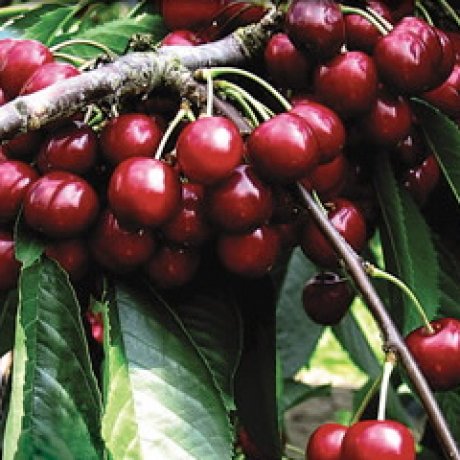
Montmorency is the American pie cherry, and nothing else makes a pie like it: bright red fruit with clear juice and a clean, bracing tartness that sugar turns into exactly what you remember.

  • Self-fertile: one tree crops on its own.
  • Accounts for most of the sour cherry grown in the country.
  • Hardier than the sweet cherries, and more forgiving of a cold site.
  • Heavy, dependable crops once the tree is established.
  • Clean, bracing tartness that cooks and preserves beautifully.

Shop both locations freely. Picking up? Choose your location at checkout. Shipping? Stock location does not matter, we will handle it. Combined orders may take 3 to 7 days.

Total in stock: -

Add to Wishlist
Add to Wishlist
Arrives healthy, guaranteed. Problem within 14 days? Send a photo and we replace it or credit you.
Ships late January to February Bare-root pre-order: we ship when the trees are dormant, timed for your region.
SKU: Cherry Tree (Montmorency) Categories: , , Tag:
What our customers say

The trees were delivered promptly and they are the biggest, best looking mail-order trees I have seen in a long time. I will be ordering more in the future.

Website customer · email

The bare roots are by far the most established roots that I have ever seen on a bareroot tree.

Website customer · email

It looks like it is at least 7 feet tall. I certainly was not expecting it to be that big.

Lisa · email

Absolutely beautiful trees, especially compared to some of the other mail order bare roots I have gotten from other companies.

Website customer · email

An extra long box for taller trees is totally worth it to me. The trees are great.

William · email

The plants look beautiful and healthy. I was impressed by the size and strength of the 3-Cherry Tree.

Jose · email

Bare root was in great condition. A lot of branching and looks ready for a harvest this year. Best fruit trees in the business!

Daniel, Lapin cherry · website review

Very nice big tree, some limbs already blooming. I've planted it and it hasn't wilted. Arrived quickly and very well packaged.

Beulah, 4 in 1 Fruit Salad · website review

They have really healthy plants, all were larger than I expected. I for sure will be ordering more from them!

Billie · website review

Arrived quickly and in great shape, larger than I had expected too.

Ralph, red currant · website review

Thank you so much for these lovely hardy kiwis. They are much bigger than expected. Will be ordering from you again.

Irene · email

Boxed perfect. Shipped on time. Excellent quality stock. About the only thing you could do to improve my experience would be to fly out to Maine and plant them for me.

Don, Maine · email

I have been buying from your nursery for years, and hands down your citrus has survived the best out of all of my sources. I have never lost a plant in my colder climate.

Returning customer · email

The packaging for those kiwis was brilliant and by far the best packaging job out of any place I ordered from this year. Your Annas are tough as nails.

Travis · email

I received my pink currant in perfect condition. I am always amazed since I live in the southeast and they are in the northwest!

Susan · website review

All 3 bushes arrived looking healthy. It's been over a month and they are still going strong.

Vlad, Rovada red currant · website review

Description

Montmorency is the cherry American pie is made of, and it accounts for most of the sour cherry grown in the country. The fruit is bright red with clear, almost colourless juice, firm and genuinely tart raw, which is the point: tartness is what survives sugar and heat.

As a tree it is easier than any sweet cherry. It is self-fertile, so one tree crops on its own; it is hardier, taking a zone colder than the sweet cherries; and it stays naturally smaller and more manageable. It is the sensible first cherry for a cold garden.

Overview

  • The standard American pie cherry.
  • Bright red fruit with clear juice and clean tartness.
  • Self-fertile and hardier than any sweet cherry.
  • Naturally smaller and easier to manage.

Growing Details

Latin Name: Prunus cerasus ‘Montmorency’
Site and Soil: 1/2 day to full day of sun; deep, well-drained soil
Hardiness: Hardy to USDA Zone 4
Rootstock: Mazzard F 12-1
Bearing Age: 2 to 3 years after planting
Size at Maturity: 12 to 15 ft tall and wide, easily maintained smaller with pruning
Ripening Time: Mid season; June into July
Pollination: Self-fertile; one tree sets a full crop
Pests & Diseases: Bacterial canker, brown rot and cherry fruit fly; summer pruning and airflow handle most of it

Additional Notes

  • Grower’s Insight: Sour cherries do not sweeten on the tree the way sweet ones do. Pick on colour and firmness, not on taste.
  • Regional Insight: Cherries want a real winter and a dry spell at ripening; where June rain is common, airflow and a crack-resistant variety matter most.
  • Explore more cherry trees in our collection: Cherry Trees

Planting & Care

At a Glance – Montmorency Cherry

  • Sun: 1/2 day to full day of sun
  • Soil: Deep, well-drained soil; never a wet spot
  • Water: Deep watering through the first two summers, then in dry spells
  • Size: 12 to 15 ft tall and wide, easily maintained smaller with pruning
  • Pollination: Self-fertile; one tree sets a full crop
  • Harvest: Midsummer
  • Hardiness: Hardy to USDA Zone 4

Planting & Care – Montmorency Cherry

Site Selection

  • Full sun, with air moving through the canopy.
  • Cherries will not take wet feet; avoid anywhere water stands in winter.

Soil Preparation

  • Deep, well-drained ground matters more than rich ground.
  • Work in compost, and plant on a slight mound where drainage is doubtful.

Planting Instructions

  1. Dig a hole twice the width of the root ball and no deeper.
  2. Keep the graft union a few inches clear of the soil line.
  3. Backfill, firm gently, and water thoroughly.
  4. Mulch 2 to 3 inches deep, kept well off the trunk.

Watering & Fertilizing

  • Water deeply through the first two summers while the roots establish.
  • After that, water in dry spells, especially while the fruit sizes.
  • Feed lightly in early spring; too much nitrogen invites canker.

Pollination

  • Self-fertile; one tree sets a full crop.
  • A pollination partner should be within about 50 feet.

Pruning & Training

  • Prune in summer after harvest, never in winter.
  • Summer cuts heal fast and cut the risk of bacterial canker.
  • Keep the centre open so air and light reach the fruit.

Harvest & Use

  • Pick once the fruit is a full bright red and lets go easily.
  • For pie, preserves, juice and drying; outstanding frozen.

General Tips

  • Net the tree as the fruit colours, or the birds will take the crop.

No reviews of this plant yet.