Bare-root pre-orders are open, shipping late January|Every plant guaranteed|Trusted by 20,000+ growers

Blueberry (Jersey)

$14.99

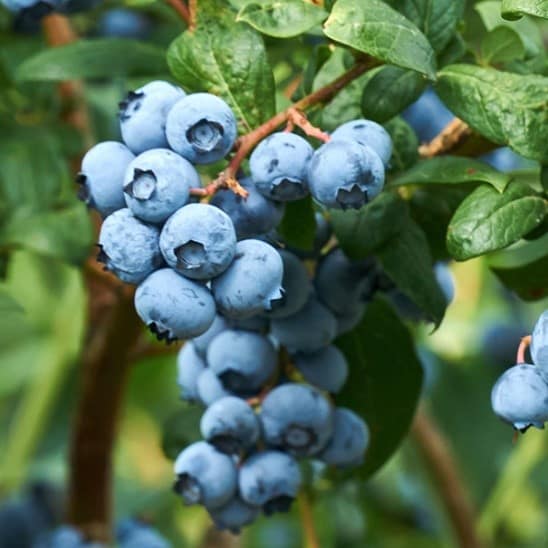
Jersey is the old reliable: a very vigorous, large upright bush that crops heavily and asks for almost nothing, carrying small, sweet, medium blue berries late in the season. It blooms late, so frost rarely touches it.

  • Small, sweet, medium blue berries that resist cracking.
  • High yielding and easy to grow with very little attention.
  • Ripens late in the season, well after the midsummer bushes.
  • Blooms late, which keeps the crop clear of spring frost.
  • Self-fertile; a second blueberry variety improves size and yield.

Shop both locations freely. Picking up? Choose your location at checkout. Shipping? Stock location does not matter, we will handle it. Combined orders may take 3 to 7 days.

Total in stock: -

Add to Wishlist
Add to Wishlist
Arrives healthy, guaranteed. Problem within 14 days? Send a photo and we replace it or credit you.
Ships in 1 to 4 business days from our nursery in Washington state, in a 36 inch box.
SKU: Blueberry (Jersey) Categories: , Tag:
From our inbox

The packaging for those kiwis was brilliant and by far the best packaging job out of any place I ordered from this year. Your Annas are tough as nails.

Travis

An extra long box for taller trees is totally worth it to me. The trees are great.

William

It looks like it is at least 7 feet tall. I certainly was not expecting it to be that big.

Lisa

Description

Jersey has been one of the most planted blueberries in the country for the best part of a century, and it got there by being dependable. The plant is very vigorous, large and upright to about 5 to 6 ft, easy to grow, and high yielding without much help.

The berries are small rather than large, medium blue, resistant to cracking and genuinely sweet, which makes them a favorite for baking and freezing where a big soft berry would turn to mush. It is a late-season cultivar, and it blooms late too, so spring frosts generally miss it.

Overview

  • Small, sweet, crack-resistant berries late in the season.
  • Very vigorous, large and upright at about 5 to 6 ft.
  • Blooms late and ripens late; frost rarely troubles it.
  • Dependable and high yielding with very little fuss.

Growing Details

Latin Name: Vaccinium corymbosum ‘Jersey’
Site and Soil: Full sun; acidic, well drained soil, pH 4.5 to 5.5
Hardiness: Hardy to USDA Zone 4
Rootstock: Grown from cuttings or tissue culture
Bearing Age: Fruits right away; full production in 5 to 6 years
Size at Maturity: Very vigorous, large and upright, about 5 to 6 ft
Ripening Time: Late season; August into September
Pollination: Self-fertile; a second blueberry variety improves size and yield

Additional Notes

  • Grower’s Insight: Small berries are the point here. They hold their shape in a muffin or a pie where a large soft blueberry collapses.
  • Regional Insight: Blueberries crop best where winters are cold enough to meet their chill and the soil is naturally acid, which covers most of the country once the planting hole is prepared properly.
  • Explore more berries in our collection: Berries
Planting & Care

At a Glance – Jersey Blueberry

  • Sun: Full sun
  • Soil: Acidic, well drained soil, pH 4.5 to 5.5
  • Water: Steady moisture all season; never let it dry out
  • Size: Very vigorous, large and upright; about 5 to 6 ft
  • Pollination: Self-fertile; a second blueberry variety improves size and yield
  • Harvest: Late summer
  • Hardiness: Hardy to USDA Zone 4

Planting & Care – Jersey Blueberry

Site Selection

  • Full sun gives the heaviest crop and the best flavor.
  • Avoid low spots that hold water; the roots are shallow.

Soil Preparation

  • This is the work that pays: get it right once and the bush crops for decades.
  • Bring the pH to 4.5 to 5.5 with elemental sulfur before planting.
  • Work in peat moss or composted bark to open the soil and hold moisture.

Planting Instructions

  1. Dig three times the width of the root ball and no deeper.
  2. Mix the backfill half and half with peat or composted bark.
  3. Tease the circling roots apart before planting.
  4. Set it at the depth it grew, firm gently, then water thoroughly.
  5. Mulch 3 to 4 inches deep with bark, kept off the stems.

Watering & Fertilizing

  • Keep the root zone evenly moist; the roots are shallow.
  • Feed in early spring with an acid-plant fertilizer.
  • Never use nitrate fertilizer or lime.

Pollination

  • Self-fertile, and a second variety improves size and yield.
  • A big bush at maturity; give it 5 to 6 ft of room from the start.

Pruning & Training

  • Prune in late winter while the bush is dormant.
  • Take out the oldest canes and anything weak or crossing.
  • Strip the first year’s flowers so it builds roots instead.

Harvest & Use

  • Pick late, once the berries are fully colored and sweet.
  • Outstanding baked and frozen; the small size holds up.

General Tips

  • Refresh the acid mulch each spring; it holds the pH.
  • Net the bush as the fruit colors.

No reviews of this plant yet.