Bigger plants, shipped year round from our Seattle nursery|Every plant guaranteed|Trusted by 20,000+ growers

Black Currant (Minaj Smeriou)

$17.99

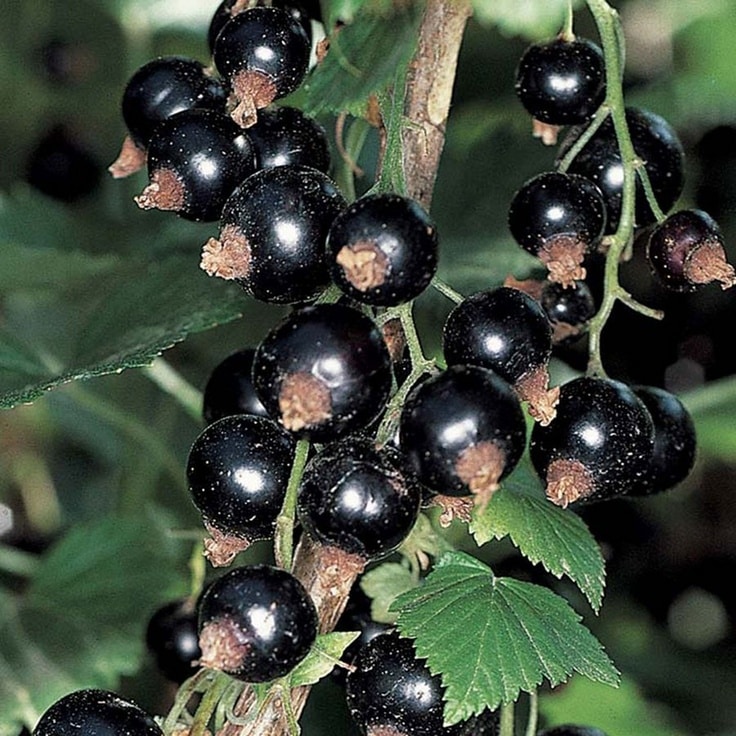
Minaj Smyriou is considered by many growers to be the best tasting black currant there is, and in side-by-side tastings it is the one people reach for again. It ripens early, ahead of the rest, and carries large berries in heavy clusters on a bush that gets there fast.

  • Rated the best tasting black currant by many who grow it.
  • The one tasters keep going back to in side-by-side comparisons.
  • Early season, ahead of most other black currants.
  • Large berries in heavy clusters.
  • Resistant to powdery mildew and to white pine blister rust.

Shop both locations freely. Picking up? Choose your location at checkout. Shipping? Stock location does not matter, we will handle it. Combined orders may take 3 to 7 days.

Total in stock: -

Add to Wishlist
Add to Wishlist
Arrives healthy, guaranteed. If it does not, we replace it.
Ships in 1 to 4 business days from our nursery near Seattle, in a 36 inch box.
SKU: Black Currant (Minaj Smeriou) Categories: , Tag:
From our inbox

The packaging for those kiwis was brilliant and by far the best packaging job out of any place I ordered from this year. Your Annas are tough as nails.

Travis

The plants look beautiful and healthy. I was impressed by the size and strength of the 3-Cherry Tree.

Jose

It looks like it is at least 7 feet tall. I certainly was not expecting it to be that big.

Lisa

Description

Black currants are not all alike, and anyone who has eaten their way along a row knows it. The genus spans cultivars that are bracing and built for cordial and others that are rounded and generous straight off the bush, and the difference between them is far larger than most catalogue descriptions let on.

Minaj Smyriou is the one people reach for. In comparative tastings of black currant varieties it comes out on top for eating quality, with a rounder, less bracing profile than the cordial cultivars, and growers who keep several varieties tend to name this one as the best of them. It is as good in a bowl as it is in a pot.

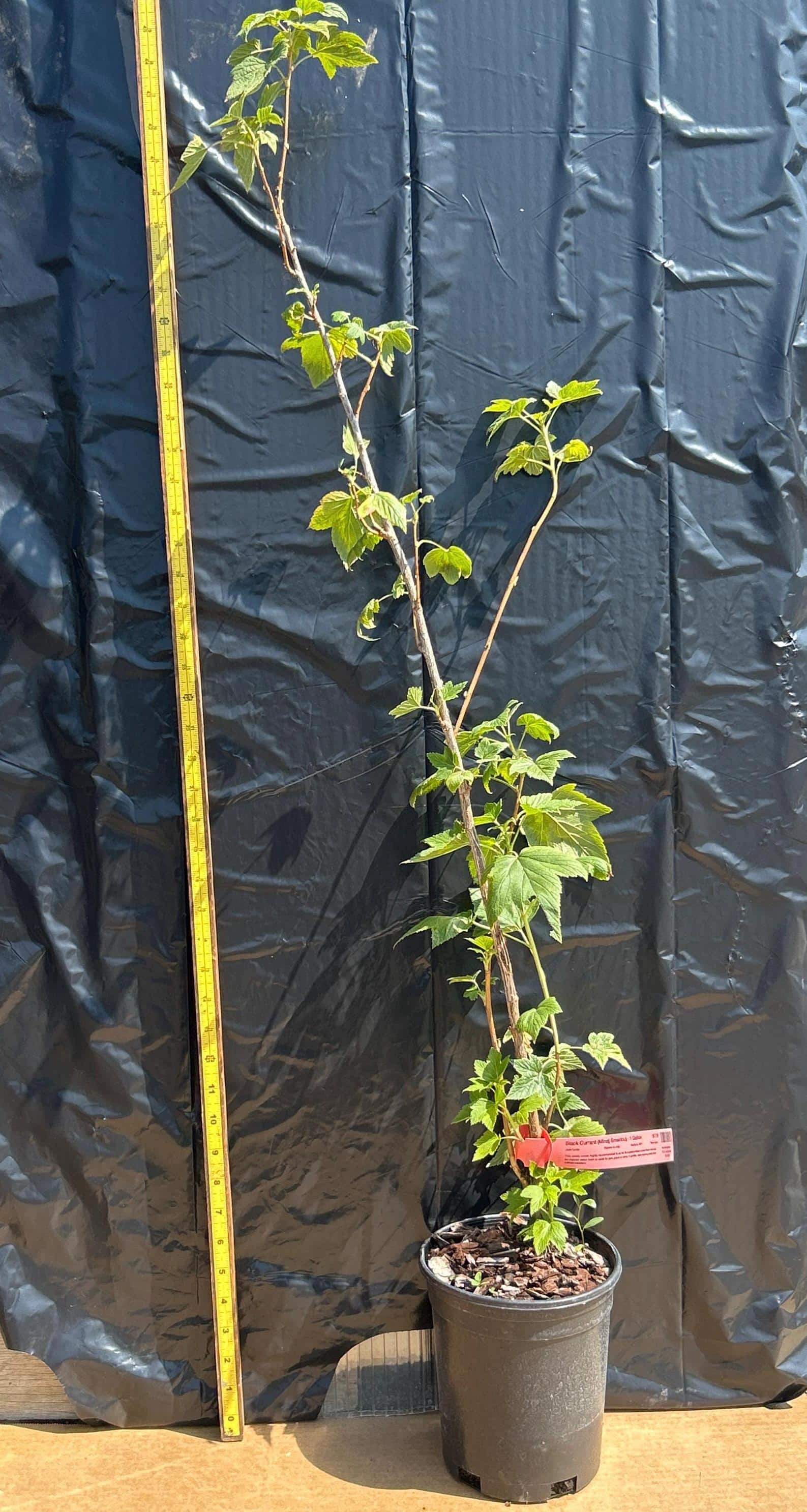
It is an Eastern European selection, early in the season and quick to grow to about 5 ft, carrying large berries in heavy clusters. It also holds resistance to powdery mildew and to white pine blister rust, which is worth having in a genus where both are the usual reasons a bush disappoints.

Overview

  • Eastern European black currant selection.
  • Rated the best tasting black currant by many growers.
  • Rounder and less bracing than the cordial cultivars.
  • Early season.
  • Large berries in heavy clusters.
  • Grows quickly to about 5 ft.
  • Resistant to powdery mildew and to white pine blister rust.

Growing Details

Latin Name: Ribes nigrum ‘Minaj Smyriou’, also sold as ‘Minaj Smeriou’
Site and Soil: Full sun to part shade, with afternoon shade where summers are hot; moist, well drained soil
Hardiness: Hardy to roughly -40 F, USDA Zone 3, in line with black currants generally
Propagation: Grown on own roots from cuttings
Size at Maturity: About 5 ft, and quick to get there
Fruit: Large black berries in heavy clusters, rounder and less bracing than the cordial cultivars
Ripening Time: Early, ahead of most black currants
Pollination: Self-fertile
Pests & Diseases: Resistant to powdery mildew and to white pine blister rust. Currants are restricted in some counties and states; check your local rules before ordering

Additional Notes

  • Grower’s Insight: If you are only going to plant one black currant, growers who have compared several tend to land on this one, and it is the variety we would put in front of somebody deciding whether the fruit is worth the space.
  • Regional Insight: Ripening early means the crop comes off before the worst of midsummer, which matters most in the interior West, the southern Plains and the mid-South where a late-ripening currant sits through weeks of heat; across the maritime Northwest, the Northeast and the Upper Midwest the early window mostly just extends the season at the front rather than solving a problem.
  • Currants host white pine blister rust and remain restricted in parts of the United States. This cultivar’s resistance does not change the regulations, which apply to the plant rather than the cultivar. Check your county and state rules before ordering.
  • Explore more currants in our collection: Currants

Planting & Care

At a Glance
• Full sun in cool climates, afternoon shade where summers are hot
• Moist, well drained soil, mulched
• Self-fertile, one bush crops
• Prune hard: it fruits on one year old wood
• Taste it fresh before you decide what to do with it

Planting & Care: Minaj Smyriou Blackcurrant

Give it sun where summers are mild and afternoon shade where they are not. The roots run shallow, so mulch to keep them cool and damp; heat at the surface troubles currants far more than winter cold does.

Feed it in early spring. Black currants are hungry plants and this one grows fast, so compost or a balanced feed goes further here than it would on a red currant.

Prune it as a black currant. The fruit comes on wood made last season, so cut roughly a third of the oldest stems out at ground level each winter and let new shoots replace them. Treating it like a red currant, where you keep an older framework, gradually costs you the crop.

Pick early, and taste before you plan. The case for this cultivar is that the fresh fruit is worth eating in its own right, so try a handful off the bush before committing the harvest to the freezer or the pot.

If you are growing more than one black currant, this one comes in first, which spreads the processing rather than stacking it into a single week.