Description
A bay tree is less about growing an herb and more about never buying old bay leaves again.
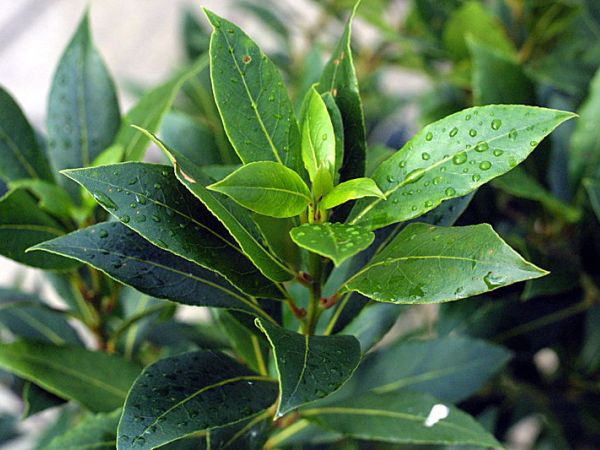
Walk outside, pick a leaf, and put it straight into the pot. Bay is evergreen, so you can do that in July or January. The leaves are made for slow cooking: add one near the beginning of a stock, braise, bean pot or tomato sauce and give it time to infuse, then pull it out before serving.
Fresh and dried bay are both useful. Fresh leaves have a greener, more eucalyptus-like aroma; drying rounds them toward the familiar herbal flavor most cooks know. A tree gives you both. Pick what you need fresh, or dry a handful and keep them in a jar.
Overview
- True culinary bay, Laurus nobilis.
- Evergreen foliage gives a year-round leaf harvest.
- Useful fresh or dried.
- Slow growing and easy to keep clipped in a container.
- Full sun to partial shade.
- No second plant is needed for leaves.
Cold is the one regional consideration. Bay is roughly a Zone 8 plant, which puts much of western Washington right along its edge. Established plants can survive ordinary winters in protected sites, but a severe Arctic outbreak is a different matter.
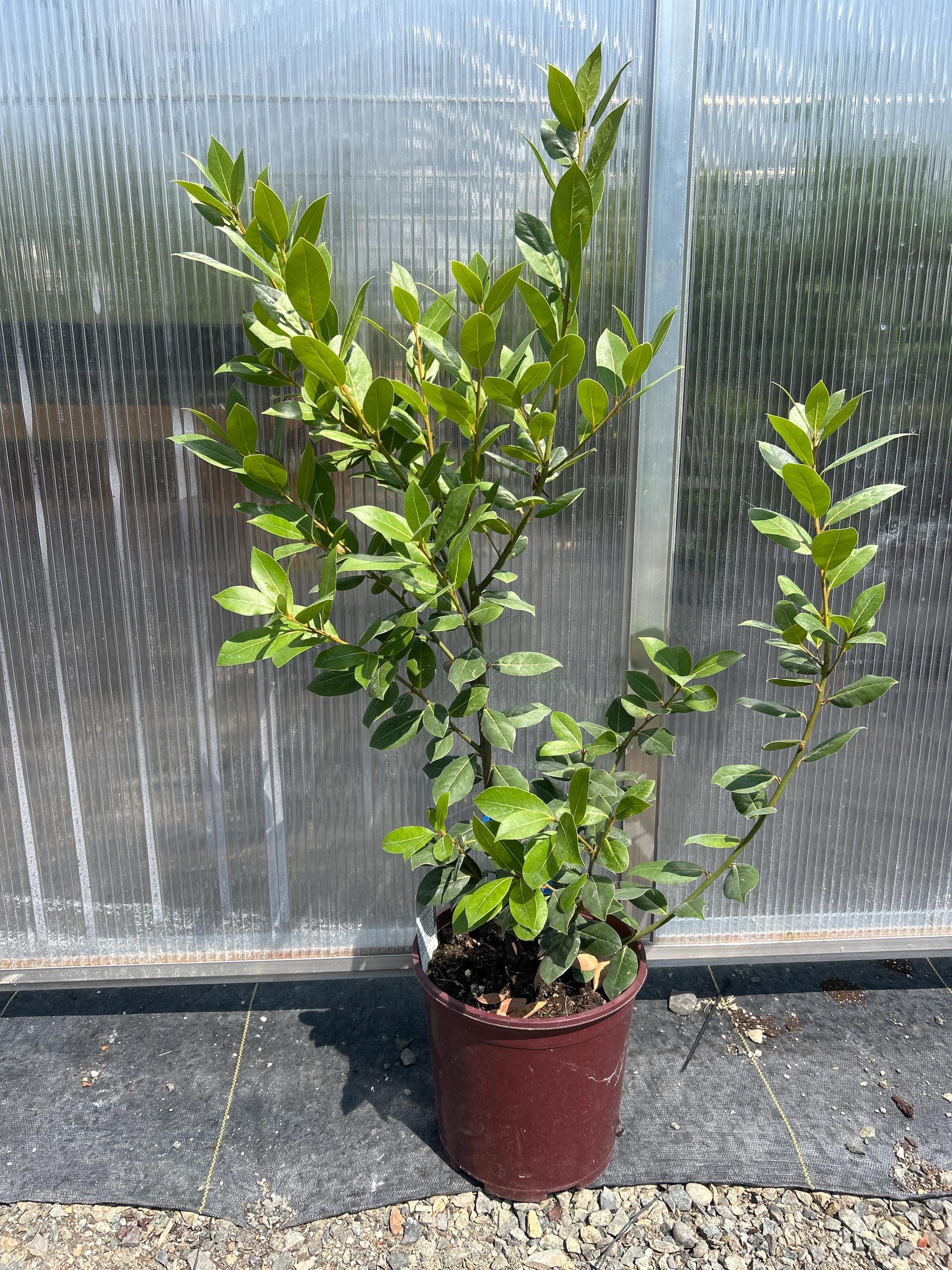
For us, a container is the simple answer. Keep the tree outside most of the year and move it against the house, under a covered porch or into an unheated protected space when serious cold is coming. Bay takes clipping well and grows slowly enough that this is practical for years.
Planting & Care
At a Glance
• Grow it in a pot here. In-ground it is marginal west of the Cascades
• Hardy to roughly 14-23 F, so it needs shelter or a move indoors
• Full sun to part shade; any soil that drains well
• No pollinator, no second plant, no waiting – you are growing leaves
• Pick leaves year-round. It is evergreen, so there is no season
Planting & Care: Bay Laurel
Bay is a Mediterranean evergreen and our winters are its one real problem. It is a zone 8 plant, hardy to somewhere between 14 and 23 F. That makes it marginal in the ground west of the Cascades – fine in a sheltered city garden in a mild year, dead in an unusual one. The reliable answer is a container you can move against a wall or into a garage when a hard freeze is forecast.
Beyond cold it is easy. Full sun or part shade both work. It is genuinely unfussy about soil texture and pH – acid, neutral or alkaline are all fine – but it must have good drainage, and a pot suits it for that reason too. It takes clipping well, which is why it is a classic topiary and hedging plant, and it tolerates coastal conditions.
Left alone in a suitable climate it becomes a slow tree of considerable size. In a pot, pruned, it stays whatever you want it to be.
You may read that bay is dioecious and needs a male and a female. It is, and you can ignore it completely: that only affects berries, and bay is grown for its leaves. There is nothing to pollinate and nothing to wait for. Pick leaves whenever you want them, all year.