Description
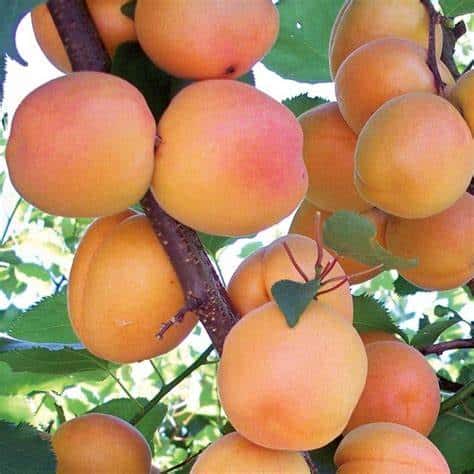
Leah Cot® Aprium is an early-ripening apricot–plum hybrid valued for its gentle sweetness and soft, apricot-forward eating quality. It ripens alongside the earliest apriums, offering an approachable start to the interspecific fruit season.
The smooth-skinned fruit emphasizes mild sweetness and low acidity rather than intensity or punch. Compared to other early apriums, Leah Cot is softer and gentler—an easy, fresh-eating fruit that appeals to growers who prefer subtlety over boldness.
Because it blooms and ripens early, Leah Cot performs best in well-sited plantings with good airflow and sun exposure. While it is self-fertile, attentive site selection helps ensure reliable crops, especially in regions with variable spring weather.
Overview
- Apricot √ó plum interspecific hybrid (Aprium®)
- Gentle sweetness with soft, apricot-forward flavor
- Smooth-skinned fruit for fresh eating
- Early-season ripening within apriums
- Self-fertile
Growing Details
Latin Name: Prunus armeniaca √ó Prunus salicina ’Leah Cot’
Site and Soil: 1/2 day to full day of sun; well-drained soil
Chill Requirement: Approx. 500+ hours (performance best with reliable winter chill)
Hardiness: USDA Zone 7–10
Rootstock: Citation
Bearing Age: 1–3 years
Size at Maturity: Semi-dwarf; typically maintained around 10–14 ft with pruning
Flowering Time: Early flowering (within interspecific stone fruits)
Ripening Time: Early season for apriums; typically ripens alongside Flavor Delight and before Cot-N-Candy (timing varies by region)
Pollination: Self-fertile
Pests & Diseases: Standard stone fruit considerations; good airflow supports healthy growth
Yield: Moderate once established
Additional Notes
- Grower’s Insight: Leah Cot is about approachability—soft texture, gentle sweetness, and easy fresh eating rather than intensity or sharpness.
- Regional Insight: In cool or wet spring climates such as the Pacific Northwest, coastal regions, or higher elevations, early bloom timing makes site selection important. Choose a warm, sunny location with good airflow to support reliable fruit set.
- Ripening Context: Leah Cot typically ripens at the very front of the aprium season, alongside Flavor Delight, and well ahead of mid- and late-season apriums and most pluots.
- Harvest when fruit is fully colored and softening slightly for best flavor.
- Explore more interspecific hybrids in our collection: All Interspecific Hybrids