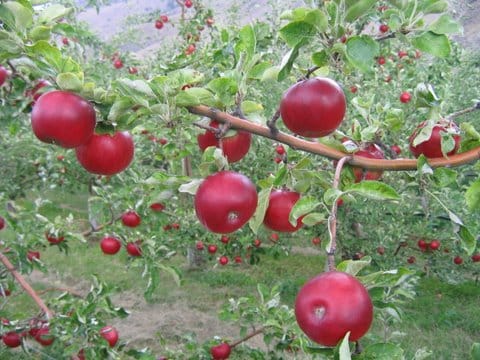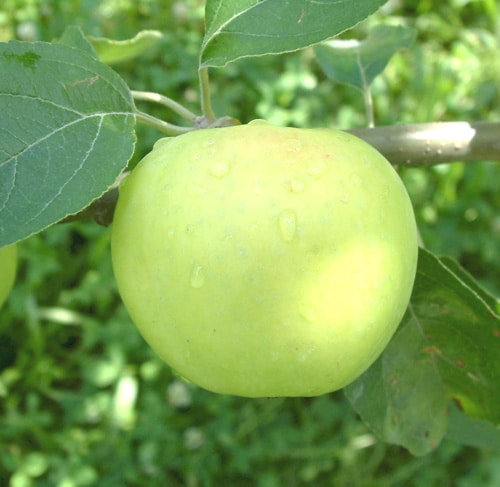
Description
Chehalis is a locally rooted apple with deep ties to western Washington. It earned its place in Pacific Northwest orchards not through marketing, but by performing reliably in conditions where many apples struggle—cool summers, wet springs, and variable fall weather.The fruit offers a balanced, approachable flavor with mild sweetness and enough acidity to keep it versatile. It’s enjoyable fresh, holds its shape in cooking, and fits well into the everyday kitchen rather than aiming for extreme sweetness or sharpness.Ripening in mid-season, Chehalis is a dependable choice for growers who want an apple that finishes well without needing excessive heat or a long, dry autumn.
Overview
- Pacific Northwest heritage apple with local roots
- Balanced flavor suited to fresh eating and cooking
- Reliable producer in cool, maritime climates
- Mid-season ripening
- Self-fertile; improved yields with a compatible pollination partner
Growing Details
Latin Name: Malus domestica ’Chehalis’Site and Soil: 1/2 day to full day of sun; well-drained soilChill Requirement: Approximately 800 hoursHardiness: USDA Zone 4–8Rootstock: M-106 (semi-dwarf)Bearing Age: 1–3 yearsSize at Maturity: Typically maintained at 12–16 ft tall and wide with pruningBloom Time: Mid-seasonRipening Time: Mid-season; typically September (varies by region)Flowering Group: Group 3 (mid-season)Pollination: Self-fertile; heavier crops with a compatible apple variety planted within 20–30 feetPests & Diseases: Standard apple pest and disease considerations; good airflow and routine care are importantYield: Reliable producer once established
Additional Notes
- Grower’s Insight: Chehalis is a place-based apple—kept and shared locally because it worked well in Pacific Northwest conditions when many imported varieties did not.
- Regional Insight: Especially well suited to the Pacific Northwest and other cool-summer, maritime regions where dependable mid-season apples are needed.
- Even though it can set fruit on its own, a nearby compatible apple often increases crop size and consistency.
- A practical choice for growers who value reliability and adaptability over extreme sweetness.
- Explore more apples in our collection: Apple Trees