Description
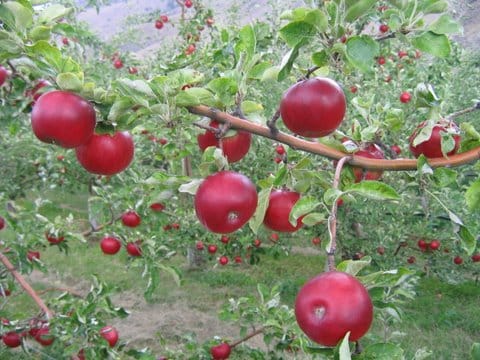
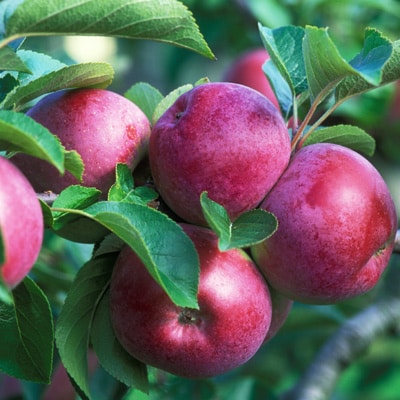
Centennial is a standout edible crabapple developed by the University of Minnesota, bred specifically to push past the idea that crabapples are only for jelly. Its fruit is noticeably larger, juicier, and more pleasant to eat fresh than most crabs.
The apples are small but substantial—often closer to a “mini apple” than a traditional crabapple. The flavor is bright and balanced, making Centennial enjoyable for fresh snacking, applesauce, and early-season cooking. Unlike many crabs, it doesn’t rely on heavy sugar or processing to be useful.
Ripening early, Centennial helps kick off the apple season and also serves an important orchard role as a strong pollinator. It’s a practical choice for growers who want edible fruit, early harvest, and improved pollination all in one tree.
Overview
- Large, edible crabapple bred for fresh eating
- Sweet-tart flavor with juicy, apple-like texture
- Early-season harvest
- Cold-hardy and reliable producer
- Excellent pollinator for apples and other crabapples
Growing Details
Latin Name: Malus domestica ’Centennial’
Site and Soil: 1/2 day to full day of sun; well-drained soil
Chill Requirement: Approximately 900 hours (best estimate)
Hardiness: USDA Zone 3–8
Rootstock: M-106 (semi-dwarf)
Bearing Age: 1–3 years
Size at Maturity: Typically maintained at 12–16 ft tall and wide with pruning
Bloom Time: Mid-season
Ripening Time: Early season; typically mid- to late August (varies by region)
Flowering Group: Group 3 (mid-season)
Pollination: Not self-fertile; excellent pollinator for apples and other crabapples planted within 20–30 feet
Pests & Diseases: Standard apple pest and disease considerations; good airflow and routine care are important
Yield: Reliable producer once established
Additional Notes
- Grower’s Insight: Centennial is widely considered one of the best fresh-eating crabapples—its fruit is large enough and flavorful enough to eat like a small apple, not just cook or jelly.
- Regional Insight: Developed in Minnesota, Centennial excels in cold-winter regions but also performs well in temperate climates with adequate chill.
- Fruit is best enjoyed shortly after harvest; storage life is shorter than most dessert apples.
- A strong choice when you want both edible fruit and reliable pollination in one tree.
- Explore more apples in our collection: Apple Trees