Description
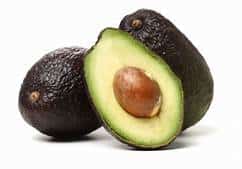
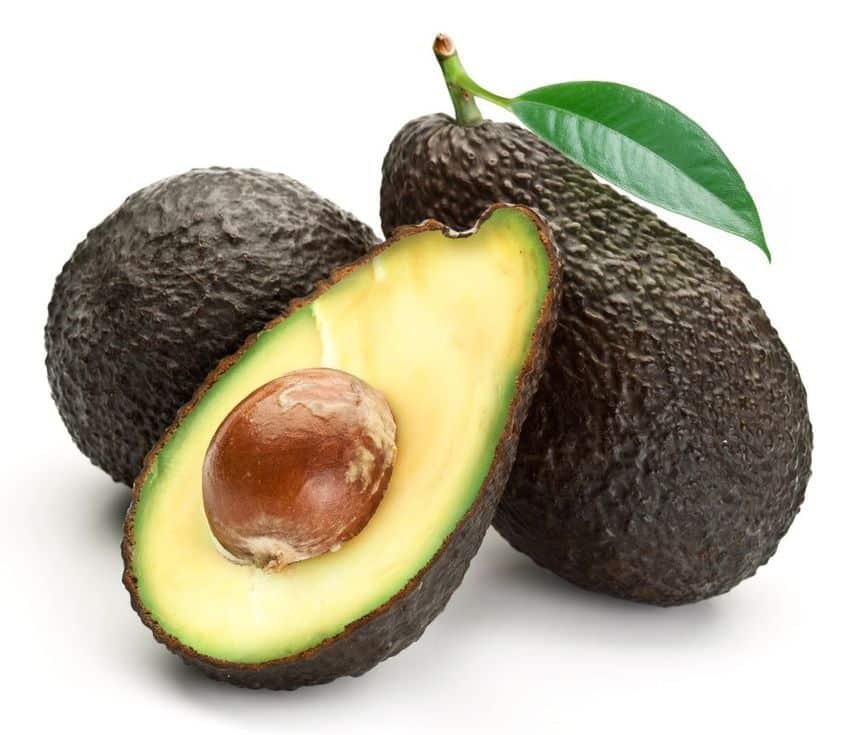
Hass is the flavor most people mean when they say avocado: rich, nutty and creamy, with enough oil in the flesh to give it that dense, silky texture.
The fruit stays firm on the tree and ripens only after picking. Once mature, a harvested Hass softens on the counter and the skin shifts from green toward purplish black, which makes ripeness easier to read than on green-skinned varieties.
The tree is Type A flowering and will often set some fruit alone, but a Type B partner such as Zutano can improve pollination. In warm subtropical climates Hass belongs in the ground; in colder regions it is a container tree that needs winter protection.
Overview
- 🌿 Rich, nutty flavor with silky high-oil flesh.
- 🌿 Pebbled skin that darkens as fruit softens.
- 🌿 Type A flowering.
- 🌿 Better fruit set with a Type B partner.
- 🌿 Fruit ripens after picking, not on the tree.
- 🌿 Grafted trees generally begin producing in about 3-4 years.
Growing Details
Latin Name: Persea americana ‘Hass’
Site and Soil: Full sun; sharply drained soil; never waterlogged
Hardiness: Tender; leaf and wood damage can begin around 29-30°F
Size at Maturity: Large spreading tree in the ground; maintain smaller with container culture and pruning
Pollination: Type A; pair with a Type B such as Zutano or Sir Prize for improved set
Bearing Age: Approximately 3-4 years for a grafted tree
Ripening: Fruit matures on the tree but softens only after harvest
Propagation: Grafted
Additional Notes
- 🌿 Grower’s Insight: Do not wait for Hass fruit to turn black on the tree. Orchard fruit is picked mature and green; the dark color develops as it softens after harvest.
- 🌿 Regional Insight: Hass is an in-ground tree in warm avocado climates such as much of coastal and inland Southern California and other frost-light subtropical regions. In colder climates, grow it in a movable container and plan winter protection from the beginning.