Bigger plants, shipped year round from our Seattle nursery|Every plant guaranteed|Trusted by 20,000+ growers

Pawpaw (Taylor)

$39.99

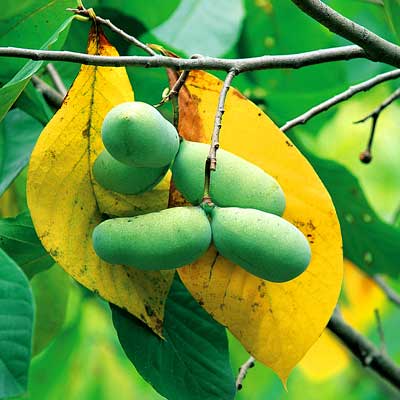
Taylor is a classic American pawpaw cultivar valued for traditional flavor, balanced performance, and dependable mid-season ripening.

  • Medium to medium-large fruit with yellow flesh
  • Classic banana-forward pawpaw flavor with mild tropical notes
  • Soft, custard-like texture at full ripeness
  • Mid-season ripening pawpaw (Frankfort, KY reference window included below)
  • Pollination required; plant with another pawpaw variety within 20–30 feet

Shop both locations freely. Picking up? Choose your location at checkout. Shipping? Stock location does not matter, we will handle it. Combined orders may take 3 to 7 days.

Total in stock: -

Add to Wishlist
Add to Wishlist
Arrives healthy, guaranteed. If it does not, we replace it.
Ships in 1 to 4 business days from our nursery near Seattle, in a 36 inch box.
Grows in zones 5 to 8.
SKU: Pawpaw (Taylor) Categories: , Tag:
From our inbox

The bare roots are by far the most established roots that I have ever seen on a bareroot tree.

Website customer

The packaging for those kiwis was brilliant and by far the best packaging job out of any place I ordered from this year. Your Annas are tough as nails.

Travis

Absolutely beautiful trees, especially compared to some of the other mail order bare roots I have gotten from other companies.

Website customer

Description

Taylor is a long-established American pawpaw cultivar appreciated for its traditional eating quality and balanced characteristics. Rather than chasing extremes, it delivers a familiar pawpaw experience that many growers recognize and trust.

The fruit is typically medium to medium-large with yellow flesh and a classic flavor profile. When fully ripe, Taylor develops a soft, custard-like texture and a banana-forward taste accented by mild tropical notes. It’s approachable and familiar rather than intense or experimental.

Ripening falls mid-season within the pawpaw range, allowing Taylor to fit easily between earlier and later cultivars. Its steady timing and traditional character make it a reliable choice in mixed plantings and a useful partner for cross-pollination.

Overview

  • Traditional American pawpaw cultivar
  • Medium to medium-large fruit with yellow flesh
  • Classic, balanced pawpaw flavor profile
  • Soft, custard-like texture at ripeness
  • Pollination required for reliable fruit set

Growing Details

Latin Name: Asimina triloba ‘Taylor’
Site and Soil: 1/2 day to full day of sun; well-drained soil
Chill Requirement: Not typically expressed in chill hours for pawpaws; performs best in temperate regions with warm summers
Hardiness: USDA Zone 5–8
Rootstock: Grafted onto pawpaw rootstock
Bearing Age: 3–5 years after planting
Size at Maturity: Typically 15–25 ft tall and wide; can be maintained smaller with pruning
Bloom Time: Mid-spring
Ripening Time: Mid within pawpaw varieties; typically Sept 5–Sept 18 in Frankfort, KY (varies by region)
Fruit Weight: Medium to medium-large; varies by season and crop load
Seed Content: Moderate; typical of traditional pawpaw cultivars (varies by season and crop load)
Texture Class: Soft custard (smooth, fully soft at ripeness)
Pollination: Pollination required; plant a genetically distinct pawpaw variety within 20–30 feet
Pests & Diseases: Generally low disease pressure with good airflow and moisture management
Yield: Moderate once established

Additional Notes

  • Grower’s Insight: Taylor is appreciated for its familiar flavor and dependable mid-season timing—an easy cultivar to live with rather than one built around extremes.
  • Regional Insight: Taylor’s mid-season ripening allows it to perform across a wide range of pawpaw-growing regions without pushing early or late-season limits.
  • Harvest only at full softness for proper flavor and texture development.
  • Soft texture at ripeness means fruit is best enjoyed fresh or processed promptly.
  • Explore more pawpaw varieties in our collection: Pawpaw Trees

Planting & Care

At a Glance – Taylor Pawpaw

  • Sun: 1/2 day to full day of sun (regional guidance below)
  • Soil: Well-drained, fertile soil with steady moisture
  • Water: Consistent during establishment; avoid drying out
  • Size: Typically 15–25 ft at maturity
  • Pollination: Required; plant a partner within 20–30 feet
  • Harvest: Mid-season; typically Sept 5–Sept 18 (Frankfort, KY reference)
  • Hardiness: USDA Zone 5–8

Planting & Care

What Makes Pawpaws Different

  • Pawpaws develop a strong taproot early and are sensitive to root disturbance.
  • Container-grown trees establish more reliably than bare-root pawpaws.
  • Keep the root ball intact when planting; avoid disturbing roots.

Site Selection (Climate Matters)

  • Cool-summer regions: Plant in the warmest, sunniest location available to support full ripening.
  • Warm to hot-summer regions: Young trees may benefit from light protection from extreme afternoon heat during their first season.
  • Choose sheltered sites and avoid frost pockets when possible.

Soil Preparation

  • Deep, well-drained soil with consistent moisture is ideal.
  • Avoid compacted or waterlogged ground.
  • Mulch heavily to stabilize moisture and protect shallow feeder roots.

Planting Instructions

  • Plant in spring after hard freezes, or early fall where winters are mild.
  • Dig a hole 2–3x as wide as the container, no deeper than the root ball.
  • Set the tree with the root flare at or slightly above soil level.
  • Backfill with native soil, water deeply, and mulch 2–3 inches (keep mulch off the trunk).

Watering & Fertilizing

  • Maintain consistent moisture during the first 1–2 years.
  • Once established, water deeply during extended dry periods.
  • Fertilize lightly in spring only if growth appears weak.

Pollination

  • Plant a genetically distinct pawpaw variety within 20–30 feet.
  • Hand pollination can improve fruit set where natural pollinators are limited.

Pruning, Training & Harvest

  • Minimal pruning needed—remove damaged wood and maintain structure.
  • Thin fruit if trees set heavily to reduce limb stress.
  • Harvest when fruit softens and releases easily from the tree.

General Tips

  • Mid-season cultivars like Taylor integrate easily with early and late pawpaws.
  • Consistent moisture and patience at harvest improve eating quality.