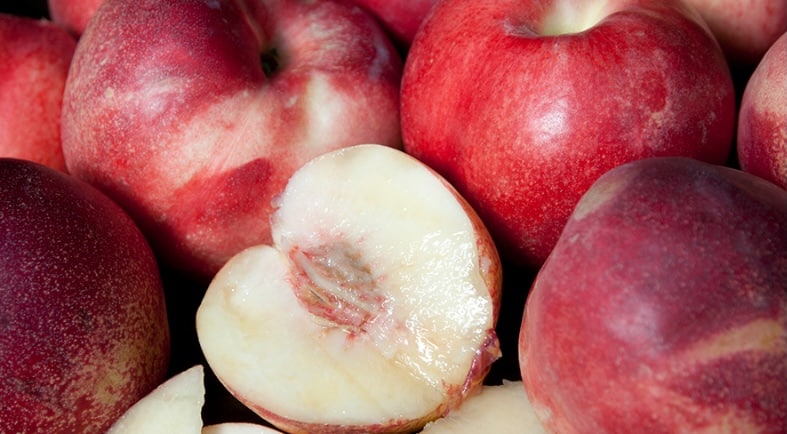
White Nectarine (Arctic Star)

Price range: $44.99 through $59.99

Arctic Star is a white nectarine known for pure sweetness—smooth-skinned, fragrant fruit with a clean finish that shines at peak summer.

  • Mid-season white nectarine with rich, low-acid sweetness.
  • Smooth, fuzz-free skin—ideal for fresh eating.
  • Freestone fruit with excellent texture.
  • Semi-dwarf tree with a balanced, productive habit.
  • Self-fertile—no pollination partner required.
Add to Wishlist
Add to Wishlist
SKU: White Nectarine (Arctic Star) Categories: , Tag:

Description

Arctic Star is one of the most consistently praised white nectarines for eating quality. It delivers clean sweetness, aromatic flesh, and a smooth texture that makes it a standout for fresh eating.

Ripening mid-season, the fruit develops a bright red blush over creamy white flesh with a low-acid profile that emphasizes sweetness over sharpness. Arctic Star is a dependable choice for growers who want a white nectarine that performs reliably and tastes exceptional.

Overview

  • White nectarine with rich, low-acid sweetness.
  • Smooth, fuzz-free skin and excellent fresh-eating quality.
  • Freestone flesh for clean slicing.
  • Mid-season ripening during peak summer.
  • Self-fertile—no pollination partner required.

Growing Details

Latin Name: Prunus persica var. nucipersica ’Arctic Star’
Site and Soil: 1/2 day to full day of sun; well-drained soil
Rootstock: Citation
Hardiness: USDA Zone 5–8
Bearing Age: 1–3 years
Size at Maturity: 10–14 ft (semi-dwarf habit)
Bloom Time: Mid-spring
Ripening Time: Mid-July (mid-season)
Pollination: Self-fertile
Fruit Type: Freestone white nectarine
Pests & Diseases: Average resistance; benefits from good airflow and standard dormant care

Additional Notes

  • Grower’s Insight: Arctic Star is often cited as a benchmark white nectarine—clean sweetness, strong aroma, and dependable texture when fully tree-ripened.
  • Regional Insight: Performs especially well in regions with warm summer days and cool nights, including the Pacific Northwest, West Coast, and similar climates that enhance white-flesh sweetness.
  • Excellent for fresh eating; also great sliced for light desserts.
  • Explore more peaches and nectarines in our collection: Peach & Nectarine Trees
Planting & Care

At a Glance – Arctic Star White Nectarine

  • Sun: 1/2 day to full day of sun
  • Soil: Well-drained soil
  • Water: Deep, regular watering during establishment
  • Tree Size: Semi-dwarf (10–14 ft)
  • Pollination: Self-fertile
  • Harvest: Mid-season
  • Hardiness: USDA Zone 5–8

Planting & Care – Arctic Star White Nectarine

Site Selection

  • Choose a sunny location to support sweetness and color development.
  • Good airflow helps maintain healthy foliage and clean fruit.

Soil Preparation

  • Plant in well-drained soil to prevent excess moisture around the roots.
  • If soil is heavy or slow-draining, planting on a slight mound improves drainage.

Planting Instructions

  1. For container-grown trees, plant approximately 1 inch deeper than the nursery soil line; for bare-root trees, set the root flare at or just above finished soil level.
  2. Water thoroughly after planting to settle soil and remove air pockets.
  3. Apply a light mulch layer to conserve moisture, keeping mulch away from the trunk.

Watering & Fertilizing

  • Water deeply after planting to encourage strong root establishment.
  • During the first growing season, water regularly and deeply, allowing the soil surface to dry slightly between waterings.
  • Once established, deeper and less frequent watering supports healthier trees.
  • Apply a balanced fertilizer in early spring as growth begins.

Pruning

  • Train to an open-center form to allow sunlight into the canopy.
  • Annual pruning supports airflow, fruit quality, and manageable size.
  • Thin fruit early to improve size and reduce branch stress.

Harvest & Use

  • Harvest when fruit is fully colored and slightly soft to the touch.
  • Best enjoyed fresh to highlight its sweetness and aroma.

General Tips

  • White nectarines develop peak flavor when allowed to tree-ripen fully.
  • Pick promptly at maturity for best texture and sweetness.