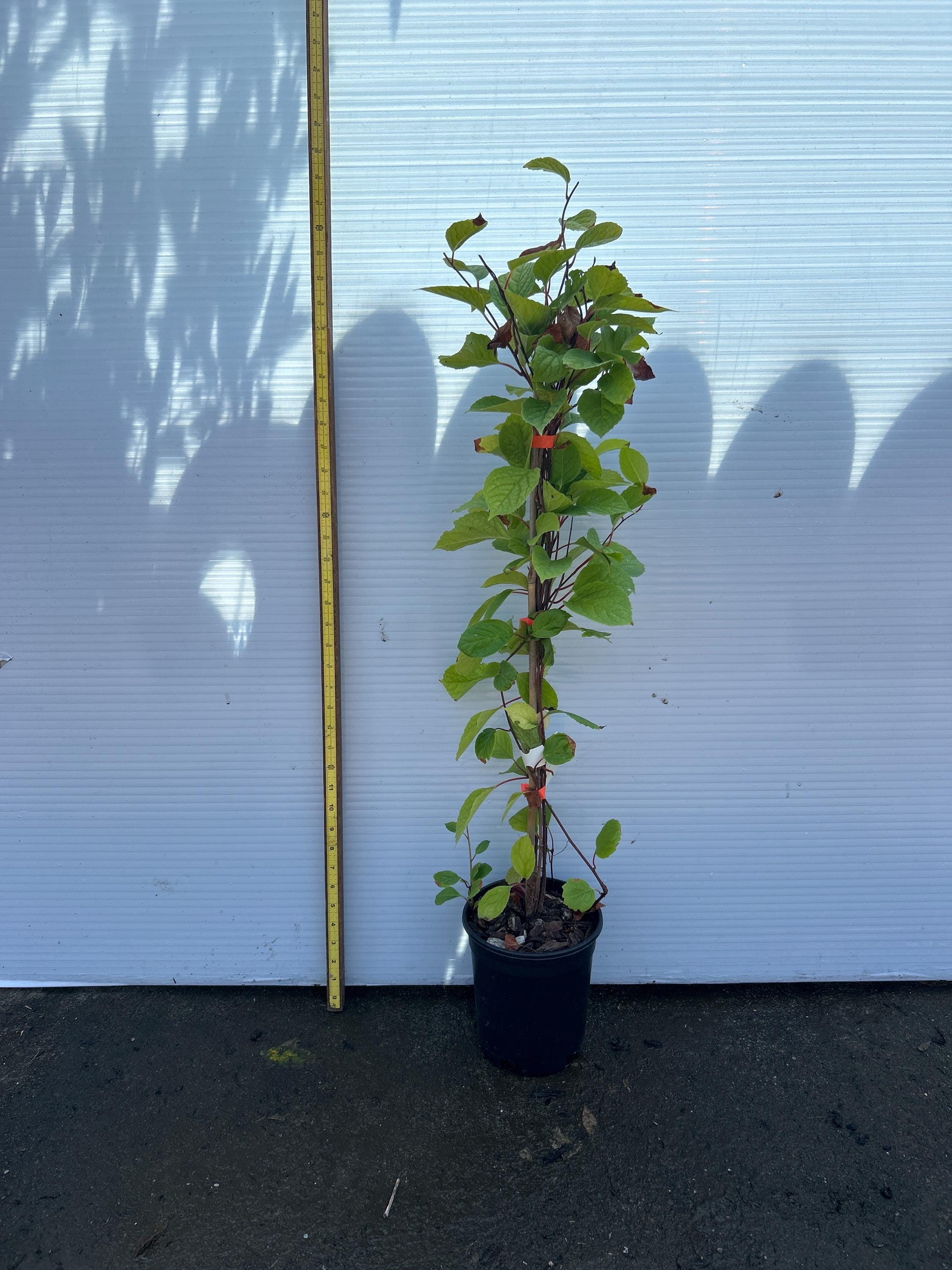
Description
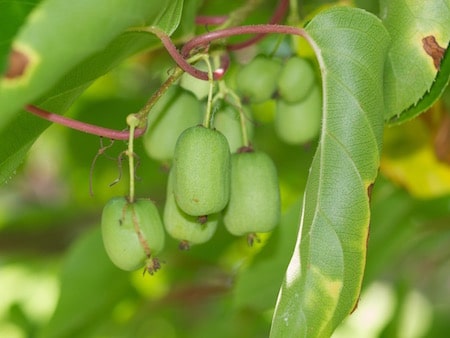
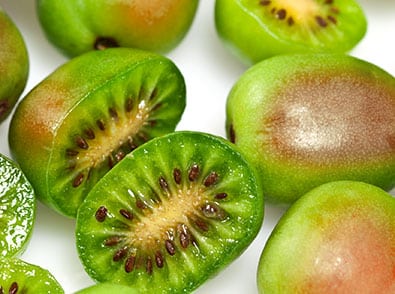
Schisandra is grown as much for its history as for its fruit. The dried berry is wu wei zi, counted among the fifty fundamental herbs of traditional Chinese medicine, and Russian pharmacological work reviewed in the Journal of Ethnopharmacology found its compounds increased physical working capacity and gave a stress-protective effect in animal studies; indigenous Nanai hunters used the berry as a tonic against hunger, thirst and exhaustion. The name comes from the taste, which is said to carry all five basic categories at once. The fruit hangs in currant-like clusters and is usually sweetened and made into juice, preserves or wine rather than eaten out of hand in quantity.
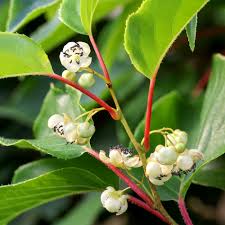
We would rather be honest than confident about pollination, because the record is genuinely unsettled. Horticultural sources describe the species as dioecious and say you need a male and a female. A three-year peer-reviewed field study of four wild populations and one cultivated population in northeast China concluded the opposite, that the species is monoecious, with individual plants carrying both sexes of flower. The same study found that sex expression shifts with age and that young and old plants have lower female flower ratios than middle-aged ones. On top of that, ‘Eastern Prince’ is described as a self-fertile selection on the authority of nursery catalogues rather than a breeding record or a trial, and University of Wisconsin material warns that seedlings sold under the name typically revert to a single-sex state. Our recommendation is simple: plant two, and treat any crop from a single vine as a bonus.
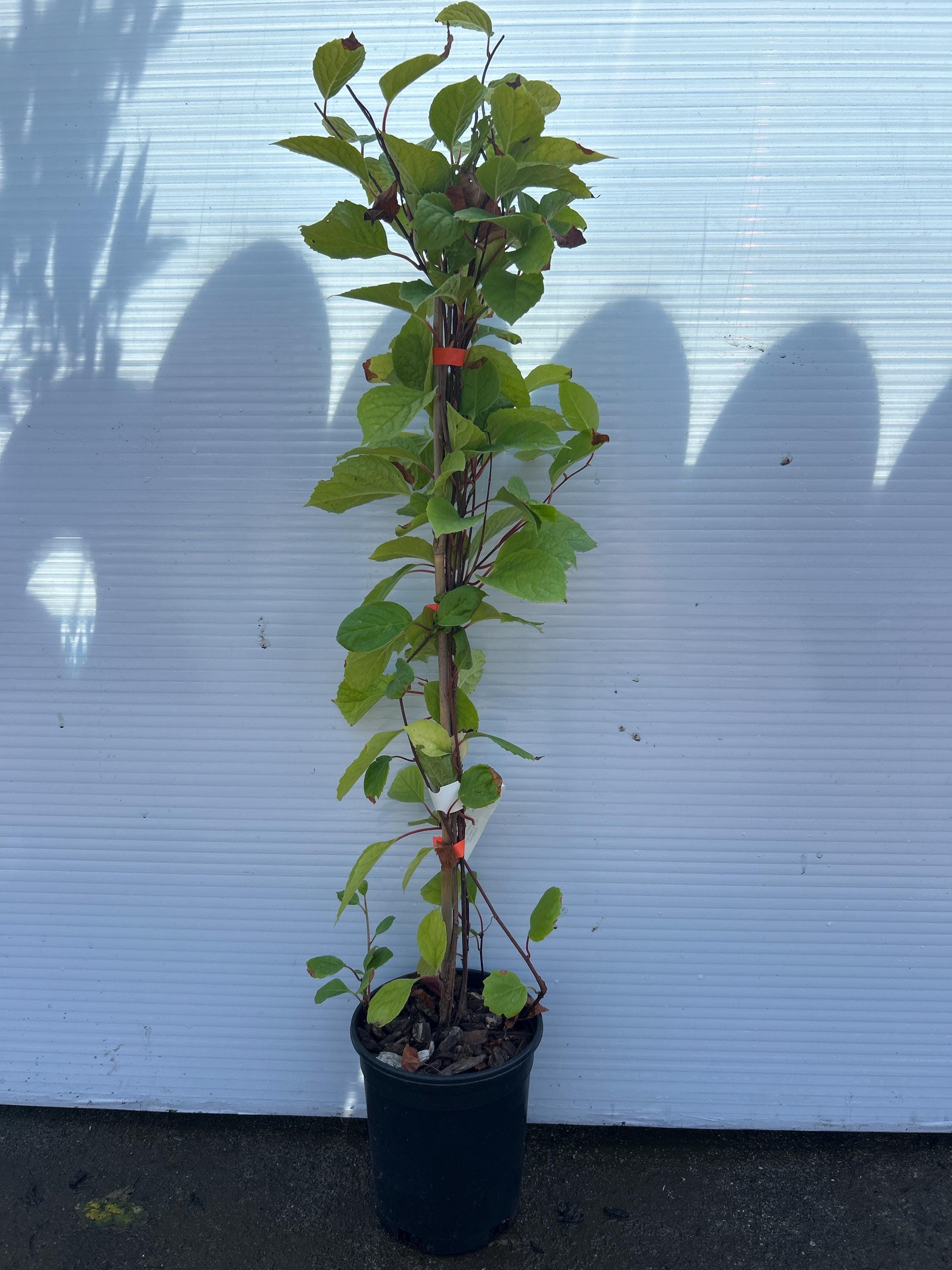
Set expectations on timing too. Years to first harvest are given as three to four, and in the University of Wisconsin-hosted Carandale Farm trial in the Midwest this cultivar was planted in 2003, replanted into full sun on raised beds in 2008, and over a decade put out many short vines and a few fruit but never enough to evaluate. That is a real result from a real trial and it is worth knowing before you plant. What that trial also points at is the fix, which is site: this vine wants full sun, moist fertile humus-rich soil with good drainage, and consistent moisture through the season, since it has no drought tolerance at all. Give it a permanent support for a twining vine of 15 ft or more, and it will hold that spot for twenty years.
Overview
- The five flavour berry of traditional Chinese medicine, borne in hanging currant-like clusters.
- Zones 4 to 8, winter hardy to about minus 30 F, the hardiest fruiting vine we carry.
- Three to four years to first harvest; planting life 20 years or more.
- Pollination is unsettled in the literature; plant two rather than relying on a single vine.
- Young plants open proportionally fewer female flowers, so early crops can be light.
- Full sun, consistent moisture, humus-rich well-drained soil; not drought tolerant.
- Twining deciduous vine of 15 ft or more needing a permanent trellis or arbor.
- Fruit is usually sweetened for juice, preserves or wine.
Growing Details
Botanical name: Schisandra chinensis ‘Eastern Prince’, Schisandraceae.
Site and soil: Full sun; moist, fertile, humus-rich, well-drained soil. Steady moisture through the growing season is its principal requirement, and raised or mounded soil helps where drainage is marginal.
Hardiness: USDA zones 4 to 8, winter hardy to about minus 30 F.
Size: Deciduous twining vine, 15 ft or more, needing permanent support.
Pollination: Contested in the literature. The species is described horticulturally as dioecious and by a peer-reviewed population study as monoecious, with female flower ratios lowest in young and old plants. ‘Eastern Prince’ is sold as a self-fertile selection on catalogue authority only, and seedlings sold under the name revert to single-sex plants. Plant two.
Ripening: Three to four years from planting to first harvest; berries ripen in hanging clusters in late summer into autumn.
Life of planting: Over 20 years.
Additional Notes
Grower’s Insight: Buy two vines and give them the wettest, richest corner you have, because the one documented trial failure of this cultivar was a site problem rather than a pest problem, and the one documented pollination risk is answered by a second plant.
Regional Insight: At about minus 30 F this is a vine for the Upper Midwest, northern New England and the northern Plains as much as for the maritime Northwest, and it is the hardiest fruiting vine most cold-climate gardeners will find.