Pomegranate (Azadi)

$29.99

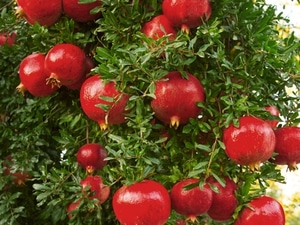
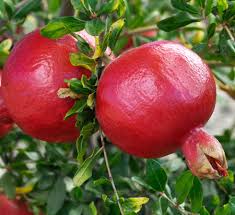
Azadi is a rare, soft-seeded pomegranate from Turkmenistan, grown for creamy yellow fruit blushed in pink and filled with tender, translucent pink arils that are exceptionally sweet and low in acid. It is self-fertile, cold-hardy for a pomegranate, and bears young.

  • Soft-seeded, eat-the-whole-aril fruit with very low acidity.
  • Creamy yellow skin with a pink blush; pale pink, juicy arils.
  • Sweet with just a touch of pleasant astringency.
  • Self-fertile and productive, bearing 1 to 2 years after planting.
  • Cold-hardy for a pomegranate, to about 5°F.

Shop both locations freely. Picking up? Choose your location at checkout. Shipping? Stock location does not matter, we will handle it. Combined orders may take 3 to 7 days.

Total in stock: -

Add to Wishlist
Add to Wishlist
SKU: Pomegranate (Azadi) Categories: ,

Description

Azadi is a rare, soft-seeded pomegranate from Turkmenistan, prized for its unusual creamy yellow skin brushed with pink and its tender, translucent pink arils. The flavor is what sets it apart: exceptionally sweet with very low acidity and only a hint of astringency, and the soft seeds mean you can eat the whole aril without picking around a hard pip.

It is a productive, early-ripening variety that begins bearing young, often within a year or two of planting, and crops consistently once established. The fruit ripens in late fall on a naturally shrubby plant that can be grown as a large multi-stem shrub or trained to a small tree.

Azadi is also one of the more cold-hardy pomegranates, taking cold to about 5°F, which stretches its range beyond the warm-winter zones most pomegranates need. It is self-fertile, so a single plant will fruit, and it is naturally pest-resistant and easy to grow in a sunny, well-drained spot or a large container that can move under cover where winters run colder.

Overview

  • Rare soft-seeded pomegranate from Turkmenistan with creamy yellow, pink-blushed skin.
  • Tender, translucent pink arils that are exceptionally sweet and very low in acid.
  • Self-fertile and productive, bearing 1 to 2 years after planting.
  • One of the more cold-hardy pomegranates, to about 5°F.
  • Naturally pest-resistant and easy to grow in the ground or a large pot.

Growing Details

Latin Name: Punica granatum ‘Azadi’
Site and Soil: Full sun for the sweetest fruit; deep, well-drained soil; tolerant of a range of soils once established
Hardiness: USDA Zone 7-10; hardy to about 5°F
Propagation: Grown on its own roots from cuttings
Size at Maturity: A large shrub or small tree, roughly 10 to 12 ft, easily kept smaller with pruning or in a container
Bloom Time: Late spring into summer; showy orange-red flowers
Ripening Time: Late fall
Fruit: Creamy yellow, pink-blushed skin with tender, translucent pink, soft-seeded arils, sweet and very low in acid
Pollination: Self-fertile; a single plant will fruit
Bearing Age: Usually begins fruiting 1 to 2 years after planting
Uses: Fresh eating out of hand, juice, and arils for the table
Pests & Diseases: Naturally pest-resistant and low-maintenance

Additional Notes

  • Grower’s Insight: Soft seeds and very low acid make Azadi one of the easiest pomegranates to eat straight from the fruit, and its cold-hardiness lets it crop in gardens too cool for most varieties; give it the hottest, sunniest spot you have for the best ripening.
  • Regional Insight: Azadi suits the warm-summer parts of the West and South where pomegranates thrive, and its extra hardiness stretches it into cooler zone 7 gardens, where a container that moves under cover for the coldest weeks is the surest path to a crop.
  • Explore more in our collection: Pomegranate
Planting & Care

At a Glance: Pomegranate (Azadi)

  • Sun: Full sun, the hotter the better
  • Soil: Deep, well-drained; tolerant once established
  • Water: Steady while fruit sizes; drought-tolerant once established
  • Mature Size: 10 to 12 ft, easily kept smaller
  • Pollination: Self-fertile
  • Harvest: Late fall
  • Hardiness: USDA Zone 7-10

Planting & Care: Pomegranate (Azadi)

Site Selection

  • Give it the hottest, sunniest spot you have; heat and sun are what ripen and sweeten the fruit.
  • A south-facing wall or warm courtyard helps in cooler areas.
  • Excellent in a large container that can move under cover for the coldest weeks.

Soil

  • Prefers deep, well-drained soil but adapts to most soils once established.
  • Tolerates lean and even slightly alkaline ground.

Planting Instructions

  1. Plant at the same depth it grew in the nursery container.
  2. Water deeply after planting to settle the soil.
  3. In cooler zones, plant in spring so it establishes well before winter.

Watering & Fertilizing

  • Water regularly through the first seasons; once established it is quite drought-tolerant.
  • Keep water steady while the fruit is sizing to help prevent splitting.
  • Feed lightly in spring; too much nitrogen grows leaves at the expense of fruit.

Winter Care

  • Hardy to about 5°F, colder than most pomegranates, but protect it from hard freezes.
  • In zone 7 and colder, grow it in a pot and move it into an unheated garage or greenhouse for the coldest weeks.

Pruning

  • Grow it as a multi-stem shrub, or train to a small tree by selecting a few main trunks.
  • Prune lightly in late winter to shape, and remove suckers and dead wood.

Harvest & Use

  • Pick when the fruit is full-colored and heavy, and before heavy fall rains, which can split ripe fruit.
  • Soft seeds and low acid make the arils excellent eaten fresh, straight from the fruit.
  • Also good juiced or scattered over salads and desserts.

Good to Know

  • Self-fertile, so a single plant will fruit.
  • Bears young, often within 1 to 2 years of planting.