Description
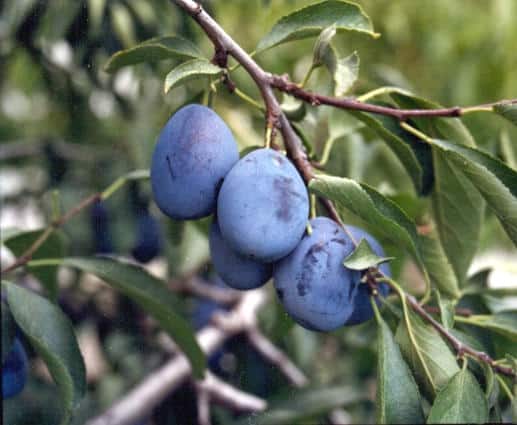
Italian Plum has been grown for generations as a dependable, no-nonsense European prune plum. If you’ve ever wondered about that bluish-purple plum from a grandparent’s tree- the one you loved eating fresh as a kid- there’s a good chance it was an Italian Plum.
Valued not for novelty, but for consistency, flavor, and versatility, its reputation was built in cooler temperate regions where late-season fruit can fully mature without losing balance. The fruit is oval, dark-skinned, and freestone, with firm yellow flesh that sweetens and concentrates as it ripens. Eaten fresh, it offers a deep, classic plum flavor; baked or dried, it becomes even richer. This is the plum many growers think of when they imagine homemade prunes, plum tarts, or jars of preserves lined up in early fall.
Italian Plum trees are naturally productive and benefit from attentive thinning, especially as they mature. When managed well, they deliver heavy, reliable crops that feel earned rather than rushed—one of the reasons this variety has endured.
Overview
- Classic European prune-type plum
- Freestone fruit with firm texture
- Rich sweetness that deepens at full maturity
- Late-season harvest, typically early fall
- Self-fertile; another European plum can improve fruit set
Growing Details
Latin Name: Prunus domestica ’Italian’
Site and Soil: 1/2 day to full day of sun; adaptable to a range of soils with good drainage
Chill Requirement: Approx. 800–1,000 hours
Hardiness: USDA Zone 4–9
Rootstock: Marianna 2624 (semi-dwarf)
Bearing Age: 1–3 years
Size at Maturity: Typically maintained at 12–15 ft tall and wide with pruning
Bloom Time: Mid-season
Ripening Time: Late season; typically September (varies by region)
Pollination: Self-fertile; another European plum nearby may increase yield
Pests & Diseases: Standard plum considerations; good airflow and pruning reduce disease pressure
Yield: Heavy producer once established
Additional Notes
- Grower’s Insight: Italian Plum is known for setting more fruit than it can finish. Thinning early in the season improves fruit size, sweetness, and long-term branch strength.
- Regional Insight: Performs exceptionally well in the Pacific Northwest and other high-chill regions where cooler summers support full flavor development in late-season plums.
- Fruit quality improves noticeably when allowed to fully ripen on the tree.
- Especially well suited for drying, baking, and traditional European plum recipes.
- Explore more plums in our collection: Plum Trees