Description
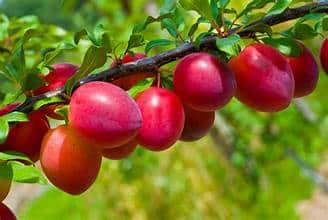
Beauty Plum is one of the earliest ways to start plum season, offering juicy, sweet-tart fruit when summer is just beginning. Grown for fresh eating rather than storage, it delivers classic Japanese-plum flavor weeks ahead of many other varieties.
This cultivar traces back to the breeding work of :contentReference[oaicite:0]{index=0}, whose goal was to create early-ripening plums with good eating quality. Beauty reflects that intent clearly: tender flesh, lively acidity, and a refreshing profile best enjoyed straight from the tree.
Because it flowers early and ripens early, Beauty rewards growers who plan for spring conditions. With proper pollination and a frost-aware site, it provides a reliable first wave of fresh plums before mid-season varieties come on.
Overview
- Early-season Japanese plum for fresh eating
- Juicy, sweet-tart flavor with tender flesh
- Ripens well ahead of Santa Rosa and similar plums
- Early flowering requires thoughtful placement
- Pollination partner needed for consistent crops
Growing Details
Latin Name: Prunus salicina ’Beauty’
Site and Soil: 1/2 day to full day of sun; well-drained soil
Chill Requirement: Approx. 300–400 hours
Hardiness: USDA Zone 5–9
Rootstock: Marianna 2624
Bearing Age: 1–3 years
Size at Maturity: Typically maintained at 12–15 ft tall and wide with pruning
Flowering Time: Early flowering (within plum / pluot types)
Ripening Time: Early season; typically late June to early July depending on region
Pollination: Pollination required; plant a compatible Japanese plum within 20–30 feet
Pests & Diseases: Standard plum considerations; early harvest limits late-season issues
Yield: Moderate to good once established
Additional Notes
- Grower’s Insight: Beauty is about timing. Its value comes from ripening early with real flavor, not from storage life or processing versatility.
- Regional Insight: In regions with cool or wet springs, early bloom can reduce pollinator activity. Planting multiple Japanese plum varieties nearby and supporting early pollinators improves fruit set.
- Fruit is best eaten fresh shortly after harvest.
- Not intended for long storage or heavy processing.