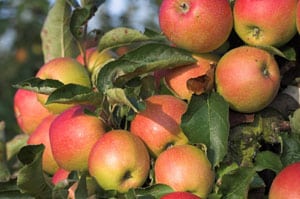
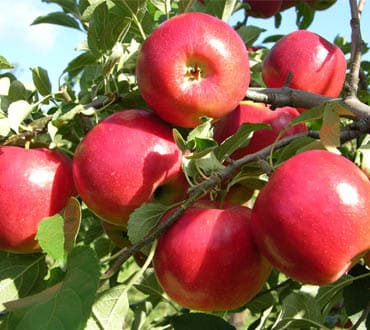
Description
Plum Parfait® Plumcot is a mid-summer interspecific hybrid valued for its balance—neither overly sweet nor sharply tart. Ripening between early apriums and most pluots, it delivers a soft, nuanced eating experience when harvested at peak maturity.
This plum–apricot hybrid leans into harmony rather than intensity. The apricot influence brings aroma and softness, while the plum side contributes structure and depth. The result is a fruit that feels rounded and complete, especially when allowed to fully color and soften on the tree.
Plum Parfait fits naturally as a bridge fruit in the interspecific lineup, arriving after early apriums and alongside mid-summer hybrids like peacotums. It rewards careful harvest timing and is best enjoyed fresh, straight from the tree.
Overview
- Plum × apricot interspecific hybrid (Plumcot®)
- Balanced flavor with gentle sweetness and light acidity
- Soft texture at full maturity
- Mid-summer ripening
- Self-fertile
Growing Details
Latin Name: Prunus salicina × Prunus armeniaca ‘Plum Parfait’
Site and Soil: 1/2 day to full day of sun; well-drained soil
Chill Requirement: Approx. 500 hours
Hardiness: USDA Zone 6–9
Rootstock: Lovell
Bearing Age: 1–3 years
Size at Maturity: Semi-dwarf to standard growth; typically maintained around 12–15 ft with pruning
Flowering Time: Mid flowering (within interspecific stone fruits)
Ripening Time: Mid-summer; typically after early apriums and before most pluots (timing varies by region)
Pollination: Self-fertile
Pests & Diseases: Standard stone fruit considerations; good airflow supports healthy growth
Yield: Moderate once established
Additional Notes
- Grower’s Insight: Plum Parfait is all about balance. Pick it fully ripe to experience the soft texture and layered flavor that set it apart from more sugar-driven interspecifics.
- Regional Insight: In cooler or wetter spring climates such as the Pacific Northwest, coastal regions, or higher elevations, a warm site with good airflow helps fruit finish cleanly and develop full flavor.
- Ripening Context: Plum Parfait typically ripens after early apriums like Flavor Delight and Leah Cot, often alongside mid-summer hybrids such as Bella Gold, and before the main pluot season.
- Thin fruit in heavy years to improve size and reduce limb stress.
- Explore more interspecific hybrids in our collection: All Interspecific Hybrids