★★★★★★★★★★beautiful+healthy plant arrived safely and very well packaged.
Etsy buyer · May 2026 ★★★★★★★★★★Plant came healthy Very happy!
Etsy buyer · Mar 2024 ★★★★★★★★★★Seller has integrity, shipped very beautiful plants that I can’t wait to get into my garden. Got them into fabric pots and I’m astonished at how much growth has already occurred and how quickly it did. Highly recommend!
Etsy buyer · Mar 2024 ★★★★★★★★★★Would absolutely buy from them again!
Etsy buyer · Mar 2024 ★★★★★★★★★★Another wonderful addition to my fruit forest. Great job.
Etsy buyer · Feb 2024 ★★★★★★★★★★Large healthy looking, dormant plant, packed well and shipped fast
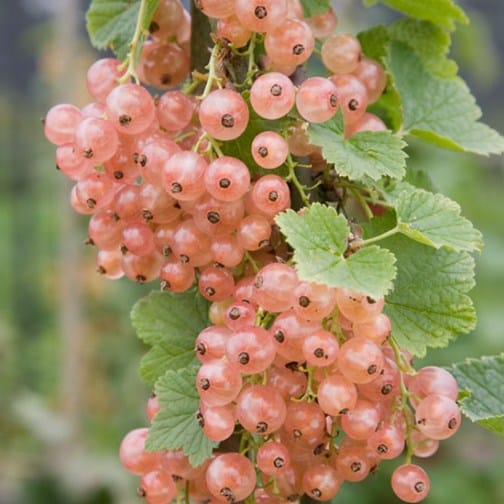
Etsy buyer · Feb 2024 ★★★★★★★★★★Well packed and balanced for travel. Since both variety pink currants were dormant, they did well during winter shipping and did not need excessive wrapping against the cold. Dormant stems were individually labeled, well budded, decent heights, with good branching and stem thickness indicating good fruiting age come thaw zone 5. Admittedly, I hesitated buying four items at once to check on quality of these two first. I'll order blueberries as planned, result of satisfaction with these. Would recommend to anyone.
Etsy buyer · Jan 2024 ★★★★★★★★★★i think its alive, but I wont know until spring.
Etsy buyer · Nov 2023 ★★★★★★★★★★Ordered the pink currants in late fall. Came very well shipped and had many leaves. They all dropped pretty quickly. I’m assuming bc of the cold weather. Planted in ground and now most leaves are gone. Hopefully, it will bounce back in spring!! Excited to see it progress next year and hoping it will fruit.
Etsy buyer · Nov 2023 ★★★★★★★★★★The currant bush arrived quickly and well packaged. It was well rooted and appears healthy. I planted it and look forward to hopefully harvesting a little fruit next spring!
Etsy buyer · Oct 2023 ★★★★★★★★★★Etsy buyer · Oct 2023
★★★★★★★★★★Never had this type of berry before. Still quarantined in a pot, but I'm very excited to try out the berries from this plant
Etsy buyer · Jun 2023 ★★★★★★★★★★I am absolutely in love with my new currant plants. I received them on April 25, 2023, and I planted them on April 28th and they are GORGEOUS. I used organic potting soil and organic fertilizer. I’m so happy with my purchase!!! Please view how beautiful they are!
Etsy buyer · May 2023 ★★★★★★★★★★The item was is very small and struggling.
Etsy buyer · May 2023 ★★★★★★★★★★I received a very healthy, large plant in early March and immediately potted. It is May 1 now and well leafed out and even has some flowers. Might get a handful of currants this first year so very happy with this purchase
Etsy buyer · May 2023 ★★★★★★★★★★Plants healthy, green, are thriving
Etsy buyer · Apr 2023 ★★★★★★★★★★Etsy buyer · Apr 2023
★★★★★★★★★★Etsy buyer · Mar 2023
★★★★★★★★★★Etsy buyer · Mar 2023
★★★★★★★★★★Plant arrived in great condition
Etsy buyer · Mar 2023 ★★★★★★★★★★Nice plant. This plant is doing great looks beautiful, very happy plant.
Etsy buyer · Mar 2023 ★★★★★★★★★★Beautiful sturdy and healthy looking plant, shipped well, great seller
Etsy buyer · Mar 2023 ★★★★★★★★★★Absolutely gorgeous. Came with no green, it has grown beautifully. I’m so excited
Etsy buyer · Feb 2023 ★★★★★★★★★★I ordered one of these and then decided to get another. Very large, well developed plants that came safely packaged. Will buy from this seller again!
Etsy buyer · Feb 2023 ★★★★★★★★★★I was a bit nervous because I received my pink currant plant and it was just bare wood, but the soil and roots were in perfect condition. today, only a month after planting, I finally began to notice some green signs of life!!!! Super excited!!! Thank you so much!!!!♡♡♡
Etsy buyer · Feb 2023 ★★★★★★★★★★Etsy buyer · Feb 2023
★★★★★★★★★★Rating based on shipped product. Passed scratch test and roots look great. Packaged very well and shipped fast to Ohio. Plant didn't need much water at all. I planted it in full sun in remediated soil Ive been working on for past 3 years. Its winter here. Covered top of ground in wood chips from local tree service. I can't wait to see how well it does.
Etsy buyer · Jan 2023 ★★★★★★★★★★Pink currant arrived in great shape and well packed. It's going into winter dormancy, so its leaves are starting to fall off, but the plant looks very healthy. It exceeded my expectations, as it is larger than what I expected (not a bad thing)! I am looking forward to many good years with the plant, thank you very much!
Etsy buyer · Nov 2022 ★★★★★★★★★★Perfect packing and amazing pink currant seedling.
Etsy buyer · Nov 2022 ★★★★★★★★★★Etsy buyer · Oct 2022
The term ‘Etsy’ is a trademark of Etsy, Inc. This Application uses Etsy’s API, but is not endorsed or certified by Etsy.