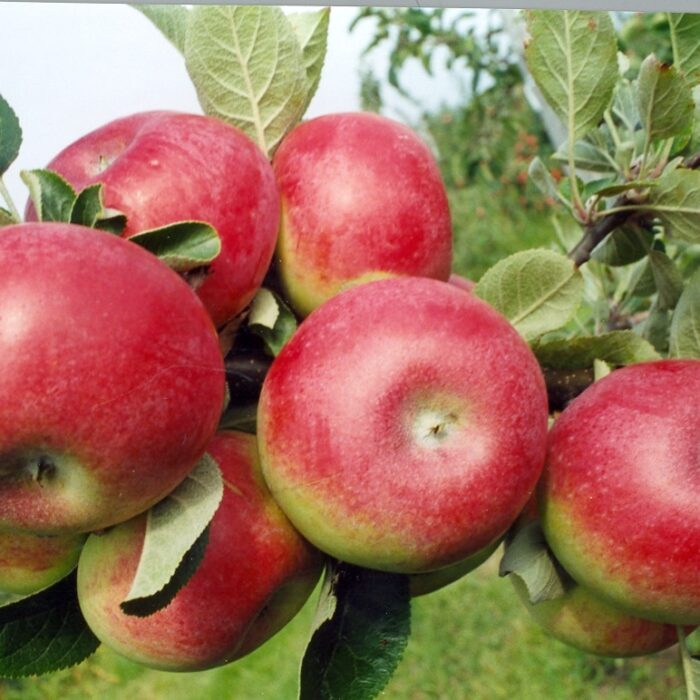
Persimmon Tree (Izu)

Price range: $39.99 through $89.99

Izu is a rare kind of win in the persimmon world—crisp, sweet fruit you can enjoy while still firm, and one of the earliest ripening Asian persimmons in the season.

  • Non-astringent persimmon—eaten firm and crisp.
  • One of the earliest ripening Asian persimmons.
  • Sweet, mild flavor with an easy, family-friendly bite.
  • Naturally compact growth habit.
  • Self-fertile.
Add to Wishlist
Add to Wishlist
SKU: Persimmon Tree (Izu) Categories: , , Tag:

Description

Izu is a non-astringent Asian persimmon (Diospyros kaki) prized for one thing that matters in real life: timing. It’s one of the earliest persimmons to ripen, giving you crisp, sweet fruit early—when many other persimmons are still weeks away.

Because Izu is non-astringent, it can be enjoyed while still firm with a clean, sweet flavor and a satisfying crunch. It’s a great pick for growers who want an easy, low-drama persimmon that doesn’t require waiting for full softening.

Overview

  • Non-astringent Asian persimmon (firm-eating).
  • One of the earliest ripening persimmons.
  • Sweet, mild flavor with crisp texture.
  • Naturally compact tree habit for home orchards.
  • Self-fertile.

Growing Details

Latin Name: Diospyros kaki ’Izu’
Site and Soil: 1/2 day to full day of sun; well-drained soil
Rootstock: Grafted onto Diospyros lotus
Hardiness: Best suited to mild-winter persimmon climates with warm summers
Chill Hours: Approximately 200 hours
Bearing Age: 1–3 years
Size at Maturity: Typically 10–15 ft tall and wide; easily maintained smaller with routine pruning
Bloom Time: Late spring
Ripening Time: Early season (one of the earliest ripening Asian persimmons)
Pollination Requirements: Self-fertile
Pests & Diseases: Generally low-pressure; good airflow and drainage reduce issues

Additional Notes

  • Grower’s Insight: Izu earns its reputation by beating the season—when later persimmons are still sizing up, Izu is already delivering crisp, ready-to-eat fruit.
  • Regional Insight: A strong choice for regions with shorter fall seasons or cooler autumns, where late-ripening persimmons may struggle to finish.
  • This is a firm-eating persimmon: harvest once fully colored and enjoy crisp, or let it soften slightly for a gentler texture.
  • Explore more Asian persimmons in our collection: Asian Persimmons

Planting & Care

At a Glance – Izu Asian Persimmon

  • Sun: 1/2 day to full day
  • Soil: Well-drained soil
  • Water: Moderate; consistent moisture during establishment
  • Size: Medium (maintainable with pruning)
  • Pollination: Self-fertile
  • Harvest: Early season
  • Hardiness: Best in mild to moderate winter persimmon climates

Planting & Care – Izu Asian Persimmon

Site Selection

  • Choose a sunny location—warmth improves early ripening and sweetness.
  • Good air movement helps reduce disease pressure and supports clean growth.
  • Avoid low spots where cold air settles or soils stay wet.

Soil Preparation

  • Plant in well-drained soil; persimmons dislike standing water.
  • In heavier soils, planting on a slight mound or raised area improves drainage.
  • Keep amendments light—avoid heavy nitrogen or overly rich planting holes.

Planting Instructions

  1. Dig a hole roughly twice the width of the root system.
  2. Plant so the root flare sits at or slightly above finished soil level.
  3. Backfill with native soil and water thoroughly to settle air pockets.
  4. Mulch 2–3″ deep, keeping mulch a few inches away from the trunk.

Watering & Fertilizing

  • During the first 1–2 years, keep soil consistently moist but not waterlogged.
  • In cooler or mild climates, deep water about 1–2 times per week during dry weather.
  • In hotter or windier climates, plan on 2–3 deep waterings per week during heat spells.
  • Check soil 4–6″ down; if it feels dry at that depth, it’s time to water again.
  • Once established, deep water every 7–14 days in dry weather, adjusting for soil type.
  • Persimmons are generally light feeders; a modest spring application of balanced organic fertilizer is usually sufficient.

Pollination

  • Self-fertile.
  • For best overall set and yield consistency in mixed-orchard plantings, keep pollination partners within 20–30 ft when applicable.

Pruning & Training

  • Prune annually to maintain structure, light penetration, and productive fruiting wood.
  • Remove crossing, shaded, or damaged branches.
  • Light thinning improves color and helps fruit size evenly.

Harvest & Use

  • Harvest when fruit is fully colored and detaches easily.
  • Enjoy fresh while firm and crisp, or allow to soften slightly for a gentler texture.
  • Excellent for slicing, snacks, and salads.

General Tips

  • Early ripening makes Izu especially valuable in cooler fall climates.
  • Mulch yearly to conserve moisture and suppress weeds.
  • Consistent care during the early years sets the foundation for long-term productivity.