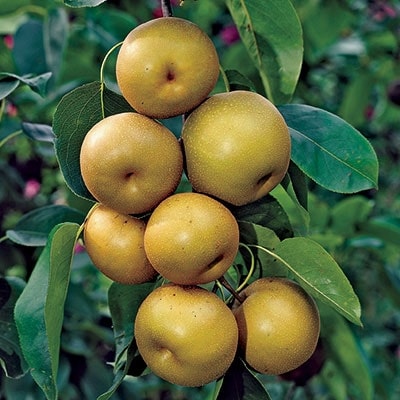
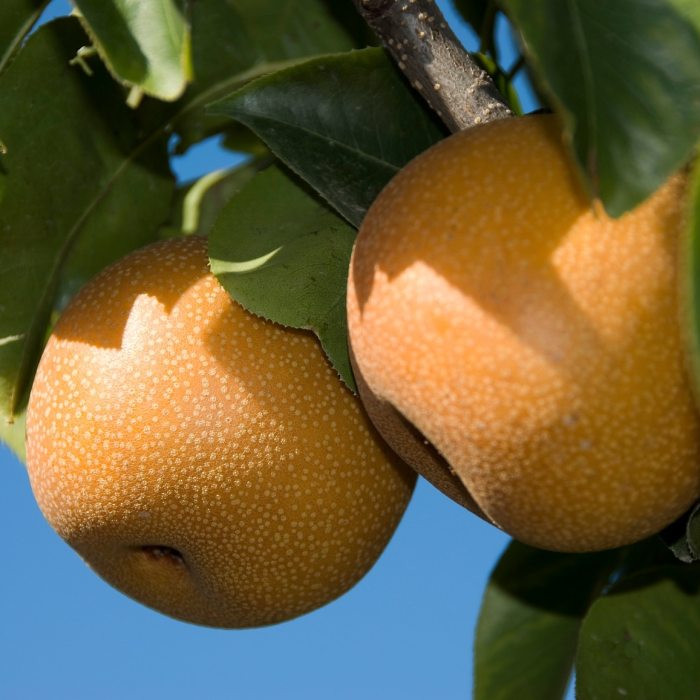
Pawpaw (Shenandoah)

$39.99

Shenandoah is a named pawpaw selection known for its fleshy fruit, clean tropical flavor, and consistently smooth eating quality—one of the better-known cultivars for growers who want dependable results.

  • Large, fleshy fruit with a strong pulp-to-seed ratio
  • Succulent, custard-like texture when fully ripe
  • Mid-season within pawpaw varieties
  • Excellent for fresh eating and pulp use
  • Cross-pollination required for reliable fruit set
Add to Wishlist
Add to Wishlist
SKU: N/A Categories: , Tag:

Description

Shenandoah is a Neal Peterson pawpaw selection grown for high eating quality and a notably fleshy fruit. It’s one of the better-known named pawpaws for growers who want a smooth, clean experience rather than a wild, variable one.

When fully ripe, the flesh turns succulent and custardy, with sweet tropical notes often compared to banana and mango. A key part of its appeal is the flesh-to-seed balance—Shenandoah is frequently cited around the 6–7% seed range by weight, which translates to more usable pulp per fruit.

Shenandoah ripens mid-season within pawpaw varieties and has earned a reputation for consistency when grown with good sun exposure, intact roots at planting, and a compatible pollination partner nearby.

Overview

  • Named pawpaw cultivar selected for eating quality and fleshiness
  • Succulent, custard-like texture at full ripeness
  • Mid-season within pawpaw varieties; late summer to early fall depending on region
  • Low seed percentage by weight compared to many pawpaws
  • Requires cross-pollination for consistent fruit set

Growing Details

Latin Name: Asimina triloba ‘Shenandoah’
Site and Soil: 1/2 day to full day of sun; well-drained soil
Chill Requirement: Not typically expressed in chill hours for pawpaws; best performance in temperate regions with warm summers
Hardiness: USDA Zone 5–8
Rootstock: Grafted onto pawpaw rootstock
Bearing Age: 3–5 years after planting
Size at Maturity: Typically 15–25 ft tall and wide; can be maintained smaller with pruning
Bloom Time: Mid-spring
Ripening Time: Mid-season within pawpaw varieties; late summer into early fall (varies by region)
Fruit Weight: Up to ~16 oz (reported). More commonly ~5–8 oz per fruit (varies by site, crop load, and season)
Seed Content: Approximately ~6–7% by weight (varies by season)
Texture Class: Succulent, custardy; medium-firm and creamy at full ripeness
Pollination: Pollination required; plant a genetically distinct pawpaw within 20–30 feet
Pests & Diseases: Generally low disease pressure under good airflow and moisture management
Yield: Moderate to good once established with proper pollination

Additional Notes

  • Grower’s Insight: Shenandoah is often chosen for its pulp payoff—low seed content and a smooth texture make it especially satisfying once fruit reaches full softness.
  • Regional Insight: In cool-summer regions like the Puget Sound, prioritize maximum sun exposure to support steady establishment and fruit sizing.
  • Harvest fruit only when fully ripe; underripe pawpaws will not develop full texture or flavor.
  • Fruit is delicate and highly perishable—handle gently and plan to use soon after harvest.
  • Explore more pawpaw varieties in our collection: Pawpaw Trees
Planting & Care

At a Glance – Shenandoah Pawpaw

  • Sun: 1/2 day to full day of sun (regional guidance below)
  • Soil: Well-drained, fertile soil with steady moisture
  • Water: Consistent during establishment; avoid drying out
  • Size: Typically 15–25 ft at maturity (can be maintained smaller)
  • Pollination: Required; plant a different variety within 20–30 feet
  • Harvest: Mid-season within pawpaw varieties; late summer into early fall
  • Hardiness: USDA Zone 5–8

Planting & Care – Shenandoah Pawpaw

What Makes Pawpaws Different

  • Pawpaws develop a strong taproot early and are sensitive to root disturbance. Establishment success depends heavily on keeping the root system intact.
  • Container-grown pawpaws consistently outperform bare-root plants. Bare-root pawpaws have a high failure rate and are not recommended.
  • Most early pawpaw failures trace back to transplant shock, root disturbance, or inconsistent moisture—not cold.

Site Selection (Climate Matters)

  • Cool-summer regions (including the Puget Sound): Pawpaws establish best when planted in as much sun as you can give them. In these climates, full sun supports stronger growth and reduces slow, stalled establishment.
  • Warm to hot-summer regions: Pawpaws still benefit from good sun exposure, but young trees may appreciate light protection from extreme afternoon heat during their first season. This is situational, not a requirement.
  • Avoid exposed wind corridors; pawpaw leaves are large and can tear.

Soil Preparation

  • Pawpaws prefer deep, well-drained soil that stays evenly moist.
  • Improve the entire planting area if soil is thin; avoid a deep, narrow planting hole.
  • Mulch is critical for moisture stability and root health.

Planting Instructions (Taproot-Safe Method)

  • Plant in spring after hard freezes or in early fall where winters are mild.
  • Dig a hole 2–3x as wide as the container, but no deeper than the root ball.
  • Remove the tree carefully from its container; do not disturb roots.
  • Set the tree with the root flare at or slightly above finished soil level.
  • Backfill with native soil, water deeply, and mulch 2–3 inches.
  • Stake lightly if needed to prevent rocking during establishment.

Watering & Fertilizing

  • Keep soil consistently moist during the first 1–2 seasons.
  • Water deeply during extended dry periods once established.
  • Fertilize lightly in spring only if growth appears weak.

Pollination

  • Plant a genetically distinct pawpaw variety within 20–30 feet.
  • Flies and beetles are the primary pollinators; hand pollination can improve set.

Pruning & Training

  • Minimal pruning is required beyond removing damaged wood.
  • Light thinning can help support heavy fruit loads.

Harvest & Use

  • Harvest when fruit softens and releases easily.
  • Use fresh or process quickly; pulp freezes well.

General Tips

  • Early growth may be slow as the tree prioritizes root development.
  • Consistent moisture and mulch are the biggest predictors of success.
  • In cool-summer regions, more sun almost always beats more shade.