Description
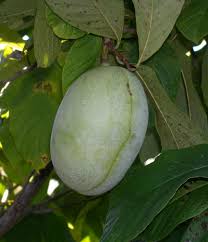
Overleese is a long-established pawpaw cultivar selected in Indiana by William Overleese and remains one of the foundational named varieties still widely grown today. Its reputation was built through grower experience rather than breeding programs—valued for reliability, consistent eating quality, and clean flavor. Grower reports consistently describe Overleese fruit as smooth-textured with yellow flesh and a balanced, classic pawpaw profile. Flavor typically leans banana-forward with gentle tropical notes, without the bitterness or strong aftertaste sometimes reported in seedling fruit. When harvested fully ripe, texture is one of its strongest and most repeatable traits. Fruit size is generally moderate, most often reported in the 8–12 oz range depending on season and crop load. Ripening mid-season, Overleese fits well into mixed plantings and continues to be grown as a dependable reference cultivar rather than an extreme or novelty selection.
Overview
- Selected in Indiana by William Overleese
- Classic, balanced pawpaw flavor with clean finish
- Yellow flesh with smooth custard texture at ripeness
- Moderate, predictable fruit size
- Pollination required for reliable fruit set
Growing Details
Latin Name: Asimina triloba ’Overleese’
Site and Soil: 1/2 day to full day of sun; well-drained soil
Chill Requirement: Not typically expressed in chill hours for pawpaws; performs best in temperate regions with warm summers
Hardiness: USDA Zone 5–8
Rootstock: Grafted onto pawpaw rootstock
Bearing Age: 3–5 years after planting
Size at Maturity: Typically 15–25 ft tall and wide; can be maintained smaller with pruning
Bloom Time: Mid-spring
Ripening Time: Early within pawpaw varieties; typically Aug 25–Sept 10 in Frankfort, KY (varies by region)
Fruit Weight: Typically ~6–10 oz; commonly cited around ~170 g (about 6 oz) in KSU reporting (varies by season and crop load)
Seed Content: Low; commonly reported around ~6% of fruit weight (varies by season and crop load)
Texture Class: Medium-firm creamy (smooth, custardy at full ripeness)
Pollination: Pollination required; plant a genetically distinct pawpaw variety within 20–30 feet
Pests & Diseases: Generally low disease pressure with good airflow and moisture management
Yield: Reliable producer once established
Additional Notes
- Grower’s Insight: Overleese earns its place through consistency—smooth texture, balanced flavor, and dependable performance rather than extremes in size or novelty.
- Regional Insight: In cooler-summer regions, prioritize full sun and warmth to help mid-season fruit finish properly.
- Seattle-area note: In our experience, Overleese has ripened as late as mid-November in the Seattle area, placing it near the edge of what can reliably finish here. Warm microclimates and maximum sun exposure are important for success in the Puget Sound.
- Harvest at full softness and aroma for best flavor; underripe pawpaws will not develop proper sweetness or texture.
- Because pawpaw fruit bruises easily, plan for fresh eating or quick processing once ripe.
- Explore more pawpaw varieties in our collection: Pawpaw Trees