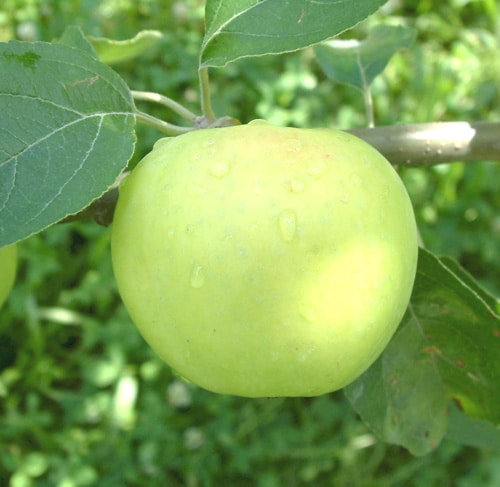
Description
NC-1 (Campbell’s #1) is an early-ripening pawpaw selected in Ontario and introduced in 1976. It’s one of the more widely proven named cultivars for growers who want an early start to pawpaw season and dependable performance in the colder end of pawpaw country.
Grower reports consistently highlight two strengths: a high pulp-to-seed feel (often described as fewer seeds than many cultivars) and a dense, buttery custard texture when fully ripe. The flavor profile is classic pawpaw—banana and mango—often finished with a clean melon-like note, and it’s frequently described as having less bitterness or “off” character than typical seedlings.
NC-1 also brings practical fruit size. In Kentucky State University reporting, fruit averages are commonly cited around 6.3 oz per fruit, with seasonal variation. For growers building an early lineup, NC-1 is a straightforward, proven anchor.
Overview
- Early-ripening pawpaw with a long track record in cooler growing regions
- Dense, buttery custard texture at full ripeness
- Classic sweet tropical profile with a clean finish
- Often described as having fewer seeds than many pawpaws (varies by season)
- Pollination required for reliable fruit set
Growing Details
Latin Name: Asimina triloba ’NC-1’ (Campbell’s #1)
Site and Soil: 1/2 day to full day of sun; well-drained soil
Chill Requirement: Not typically expressed in chill hours for pawpaws; performs best in temperate regions with warm summers
Hardiness: USDA Zone 5–8
Rootstock: Grafted onto pawpaw rootstock
Bearing Age: 3–5 years after planting
Size at Maturity: Typically 15–25 ft tall and wide; can be maintained smaller with pruning
Bloom Time: Mid-spring
Ripening Time: Early within pawpaw varieties; typically Sept 1–Sept 10 in Frankfort, KY (varies by region)
Fruit Weight: Average reported ~6.3 oz per fruit (varies by season and crop load)
Seed Content: Low; commonly reported around ~6% of fruit weight (varies by season and crop load)
Texture Class: Thick custard (dense, pulp-forward, spoonable)
Pollination: Pollination required; plant a genetically distinct pawpaw variety within 20–30 feet
Pests & Diseases: Generally low disease pressure with good airflow and moisture management
Yield: Productive once established
Additional Notes
- Grower’s Insight: NC-1 is widely valued for how clean it eats—dense texture, strong flavor, and a high pulp-to-seed feel when harvested fully ripe.
- Regional Insight: In cooler summer regions such as the Puget Sound, planting in full sun supports stronger growth and helps early cultivars like NC-1 finish with better flavor and texture.
- Heritage Note: Selected by R. Douglas Campbell in Ontario (introduced 1976) and commonly reported as a Davis √ó Overleese seedling selection.
- For best quality, let fruit reach full ripeness—soft, aromatic, and ready to yield. Underripe pawpaws won’t show the cultivar’s true texture or flavor.
- Fruit is delicate and highly perishable; plan to eat fresh quickly or scoop pulp for freezing.
- Explore more pawpaw varieties in our collection: Pawpaw Trees