Olive Tree (Nocellara del Belice)

Price range: $29.99 through $69.99

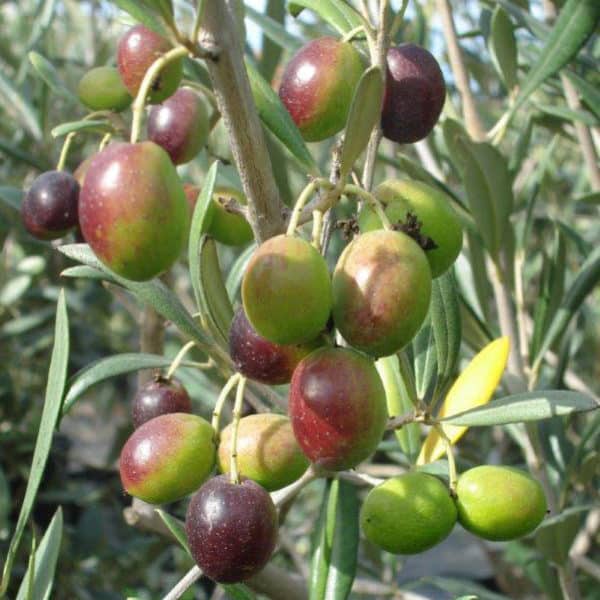
There really is no other olive quite like this one. Nocellara del Belice—best known as the Castelvetrano olive—produces large, meaty green fruit with a uniquely buttery, nutty flavor that has made it one of the most sought-after table olives in the world.

  • Famous Sicilian table olive, also known as Castelvetrano
  • Large fruit with exceptionally high flesh-to-pit ratio
  • Mild, buttery flavor with crisp texture
  • Dual-purpose: premium table olives and aromatic oil
  • Pollination improves yield and consistency
Add to Wishlist
Add to Wishlist
SKU: Olive Tree (Nocellara del Belice) Categories: , , Tag:

Description

There really is no other olive quite like this one. Nocellara del Belice—best known as the Castelvetrano olive—produces large, meaty green fruit with a uniquely buttery, nutty flavor that has made it one of the most sought-after table olives in the world.

This cultivar is native to western Sicily’s Valle del Belice, where the Castelvetrano style takes its name from the nearby town known for traditional salt-brine curing. The fruit is medium-to-large with an exceptionally high flesh-to-pit ratio and good weight, making it ideal for green table olive harvest. When allowed to mature further, fruit can also be pressed into oil known for its aromatic complexity and dynamic, balanced profile.

Nocellara del Belice rewards attentive growers. It appreciates summer heat, excellent drainage, and restraint with water. While adaptable to container culture, it performs best when given sun, airflow, and a compatible pollination partner. It will produce as a single tree, but yields and consistency improve noticeably in mixed plantings.

Overview

  • World-famous Sicilian table olive, also known as Castelvetrano
  • Large green fruit with mild, buttery, nutty flavor
  • Exceptionally high flesh-to-pit ratio
  • Dual-purpose: premium table olives and aromatic oil
  • Pollination improves yield and consistency

Growing Details

Latin Name: Olea europaea ’Nocellara del Belice’
Origin: Valle del Belice, western Sicily (Italy)
Site and Soil: Full sun preferred; well-drained soil is essential
Cold Tolerance: Established trees have reported wood survival around ~10°F
Rootstock: Own-root (propagated from cuttings)
Bearing Age: Often fruits once established; production improves with maturity
Size at Maturity: Typically maintained at 8–12 ft tall and wide with pruning
Note: Size reflects managed garden or container-grown trees; growth varies by climate and whether planted in-ground or in containers. Unpruned trees can grow larger over time
Bloom Time: Mid to late spring (varies by region)
Ripening Time: Mid-season olive; green table harvest occurs earlier than oil harvest
Pollination: Partially self-fertile; planting a compatible olive variety within 20–30 feet improves yield and consistency
Pests & Diseases: Sensitive to excess moisture; good airflow and drainage are critical for long-term health

Additional Notes

  • Grower’s Insight: Nocellara del Belice isn’t famous because it’s easy—it’s famous because its table fruit quality is exceptional. Growers accept higher care requirements in exchange for unmatched size, texture, and mild flavor.
  • Regional Insight: Performs best in warm-summer regions with dry soils and good airflow. In cooler or wetter climates, drainage and sun exposure become especially important.
  • Young trees may defoliate when temperatures dip into the low 20s. Don’t give up on them—many will push new growth again as conditions warm.
  • Explore more olives in our collection: Olive Trees
Planting & Care

At a Glance – Nocellara del Belice Olive

  • Sun: 3/4 day to full day of sun
  • Soil: Well-drained soil
  • Water: Moderate; avoid over-watering
  • Tree Size: Compact to medium with pruning
  • Pollination: Partially self-fertile; partner improves yield
  • Harvest: Mid-season (green table olives earlier)
  • Cold Tolerance: Established wood reported to ~10°F

Planting & Care – Nocellara del Belice Olive

Site Selection

  • Choose a sunny location with good airflow.
  • Protection from cold winter winds improves long-term performance.
  • Sun exposure is critical for fruit quality and ripening.

Soil Preparation (In-Ground vs Container)

  • In-ground: Drainage is essential; plant on a slight mound if soils are heavy.
  • Container: Use a fast-draining mix in a pot with drainage holes.
  • Excess moisture is the most common cause of poor performance.

Planting Instructions

  1. Dig a hole twice the width of the root ball or select a container just larger than the root mass.
  2. Set the tree so the root flare sits at or slightly above soil level.
  3. Backfill gently and water thoroughly to settle roots.
  4. Mulch lightly for in-ground plantings, keeping mulch away from the trunk.

Watering

  • Water regularly during establishment, allowing soil to dry slightly between waterings.
  • Once established, olives prefer deep, infrequent watering.
  • In containers, allow the top couple inches of mix to dry before watering again.

Fertilizing

  • Feed lightly in spring with a balanced, slow-release fertilizer.
  • Avoid excessive nitrogen, which encourages soft growth.
  • Ease off feeding later in the season to allow natural hardening.

Cold Care

  • Young trees may defoliate in the low 20s; this is often temporary.
  • Good drainage and sun exposure significantly improve cold resilience.
  • Container trees can be moved to a sheltered location during hard freezes.

Pruning

  • Prune lightly to maintain airflow and manageable size.
  • Remove crossing or inward-growing branches as needed.

Harvest & Use

  • Harvest green for classic Castelvetrano-style table olives.
  • Later harvest produces fruit suitable for aromatic oil.

General Tips

  • Resist over-watering—olives prefer restraint.
  • Heat, sun, and drainage are the keys to success.
  • Patience and good site selection are rewarded with exceptional fruit.