Description
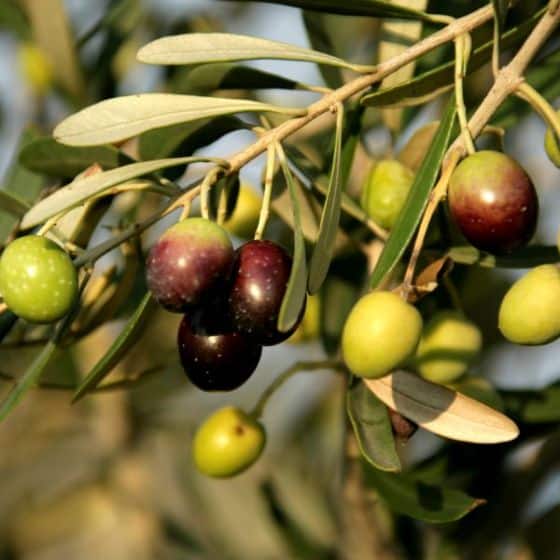
Mission is the historic backbone of California olive growing, introduced by Spanish missionaries and shaped over generations in New World conditions. More than just an old cultivar, it represents olive adaptation through time—selected not in breeding programs, but through survival, productivity, and usefulness across a wide range of environments.
Unlike many Mediterranean cultivars prized for a single trait, Mission is valued for versatility. It functions as a true dual-purpose olive, producing medium-sized fruit suitable for both table preparation and oil extraction. Harvest timing plays a major role in final use, allowing growers to lean toward brined olives or oil depending on maturity.
Mission trees tend to grow with moderate to strong vigor and respond well to pruning. Climate and culture strongly influence final size: in warm, in-ground plantings trees can become substantial over time, while container-grown or cooler-region trees remain more compact. With proper siting, drainage, and training, Mission continues to earn its reputation as one of the most adaptable olives available to home growers.
Overview
- Historic olive cultivar foundational to California olive culture
- Dual-purpose fruit suitable for both oil and table use
- Adaptable growth shaped by generations of selection
- Mid-season ripening olive
- Partially self-fertile; cross-pollination improves yield
Growing Details
Latin Name: Olea europaea ’Mission’
Origin: Introduced to California by Spanish missionaries (18th century)
Site and Soil: Full sun preferred; well-drained soil is essential
Cold Tolerance: UC Freeze Category: Hardy; established trees have reported wood survival around ~10°F
Rootstock: Own-root (propagated from cuttings)
Bearing Age: Often fruits once established; production improves with maturity
Size at Maturity: Typically maintained at 8–12 ft tall and wide with pruning
Note: Size reflects managed garden or container-grown trees; growth and ultimate size vary by climate and whether planted in-ground or in containers. Unpruned trees can grow larger over time
Bloom Time: Mid to late spring (varies by region)
Ripening Time: Mid-season olive; harvest timing varies by climate and intended use
Pollination: Partially self-fertile; planting a compatible olive within 20–30 feet improves yield and consistency
Pests & Diseases: Generally resilient with good airflow and drainage; regional pressure varies
Additional Notes
- Grower’s Insight: Mission’s longevity isn’t accidental—it reflects generations of selection under real growing conditions rather than narrow breeding goals.
- Regional Insight: Mission performs well across a wide range of climates, including cooler-edge olive regions where adaptability matters more than specialization.
- Cold-weather note: In olives, the primary cold risk is bark splitting during sudden freezes rather than slow, sustained cold.
- Use note: Earlier harvests favor greener table olives, while later harvests are typically pressed for oil.
- Explore more olives in our collection: Olive Trees