Description
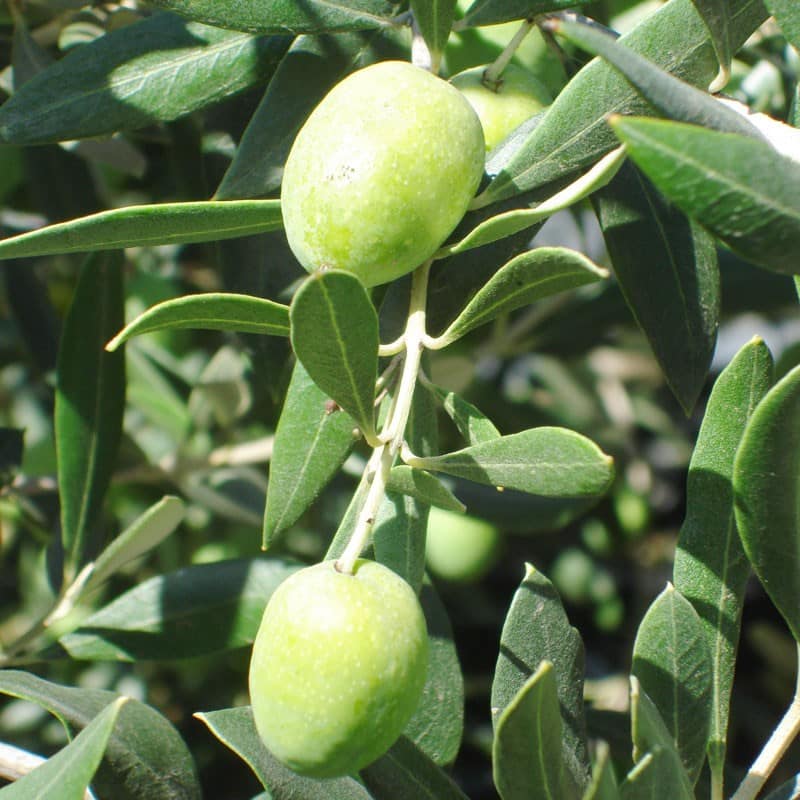
Arbosana is a Spanish oil olive known for its compact growth, early bearing, and consistent production. It rose to prominence in modern olive systems because it produces reliable crops without excessive vigor—making it especially attractive for smaller spaces, managed plantings, and container growing.
Originating in Catalonia, Spain, Arbosana is planted primarily for oil rather than table use. The fruit is small, but the oil it produces is often described as smooth and approachable, with less bitterness and pungency than sharper cultivars. Harvest timing plays a major role in shaping the final flavor, allowing growers to tune brightness versus softness.
Growth habit is naturally compact and upright, a true genetic trait rather than the result of heavy pruning. Climate and culture still matter: in warm, in-ground plantings Arbosana will gain strength over time, while container-grown trees or those grown in cooler coastal regions tend to remain more restrained. With thoughtful training, it adapts well to long-term production in limited space.
Overview
- Spanish oil olive cultivar originating in Catalonia
- Compact, restrained growth compared to many traditional olives
- Early bearing and consistent productivity
- Early-season ripening; timing varies by climate
- Partially self-fertile; cross-pollination improves yield consistency
Growing Details
Latin Name: Olea europaea ’Arbosana’
Origin: Catalonia, Spain
Site and Soil: Full sun preferred; well-drained soil is essential
Cold Tolerance: UC Freeze Category: Sensitive; established trees have reported wood survival around ~20°F
Rootstock: Own-root (propagated from cuttings)
Bearing Age: Often fruits once established; production improves with maturity
Size at Maturity: Typically maintained at 8–12 ft tall and wide with pruning
Note: Size reflects managed garden or container-grown trees; growth and ultimate size vary by climate and whether planted in-ground or in containers. Unpruned trees can grow larger over time
Bloom Time: Mid to late spring (varies by region)
Ripening Time: Mid-season olive; harvest timing varies by climate and season length
Pollination: Pollination required; plant a compatible olive variety within 20–30 feet
Pests & Diseases: Generally resilient with good airflow and drainage; regional pressure varies
Additional Notes
- Grower’s Insight: Arbosana’s compact growth is genetic, not just the result of pruning. This trait is why it became a cornerstone of modern high-density olive plantings.
- Regional Insight: Performs well in cooler regions, including the Pacific Northwest, when planted for warmth, drainage, and protected from sudden winter temperature swings.
- Cold-weather note: In olives, the primary cold risk is bark splitting during sudden freezes rather than slow, sustained cold. Proper siting and drainage greatly reduce risk.
- Harvest stage matters: Earlier harvests produce brighter oils; later harvests emphasize softness and balance.
- Explore more olives in our collection: Olive Trees