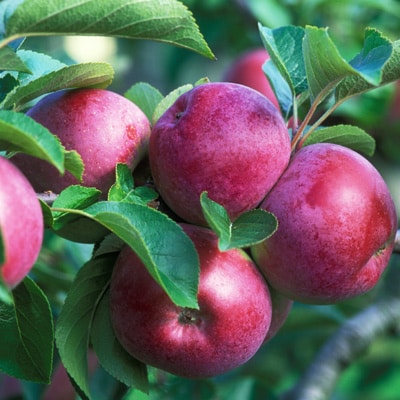
Nectarine Tree (Nectar Babe) Miniature

Price range: $59.99 through $69.99

A true miniature nectarine that stays naturally compact while producing full-size, sweet, aromatic fruit. Perfect for patios, containers, and small gardens.

  • Miniature nectarine (4–6 ft)
  • Full-size, richly flavored fruit
  • Ideal for pots and patios
  • Self-fertile
Add to Wishlist
Add to Wishlist

Description

Nectar Babe is one of the best miniature nectarines available—naturally dwarfing, beautifully compact, and perfect for patios, containers, and small urban gardens. Unlike standard nectarines that require constant pruning to keep small, Nectar Babe is a true genetic dwarf that forms a dense, rounded canopy while still producing full-size, richly flavored nectarines.

The fruit is sweet, aromatic, and smooth-skinned, with excellent dessert quality. Despite its small stature, Nectar Babe is a surprisingly heavy producer and can yield impressive crops when properly thinned. Its naturally tidy growth habit makes it ideal for decorative planters, entryways, or small garden spaces where a full-sized nectarine simply won’t fit.

With minimal pruning, Nectar Babe typically matures at just 4–6 feet tall—an easy size to maintain for any gardener.

Overview

  • True miniature nectarine—naturally compact and easy to maintain.
  • Produces full-size, sweet, aromatic nectarines.
  • Perfect for patios, decks, and courtyard containers.
  • Heavy yielding for its size; thin fruit early for best results.
  • Self-fertile—no pollination partner required.

Growing Details

Latin Name: Prunus persica var. nucipersica ‘Nectar Babe’
Site and Soil: 1/2 day to full day of sun; well-drained soil or high-quality potting mix
Rootstock: Lovell
Hardiness: USDA Zone 6–9
Bearing Age: 1–3 years
Size at Maturity: 4–6 ft (miniature habit)
Bloom Time: Early to mid-spring
Ripening Time: Mid-summer
Pollination: Self-fertile
Yield: Heavy cropping for a small tree; thin early to prevent overload
Pests & Diseases: Nectarines can be prone to Peach Leaf Curl in cool, wet-spring climates; good cultural care and appropriate dormant sprays help maintain healthy foliage

Additional Notes

  • Nerdy fact: Nectar Babe’s dwarfing habit comes from naturally shortened internodes, allowing it to remain compact without relying on dwarfing rootstocks.
  • Ideal for long-term container growing—use a 15–25 gallon pot for best performance.
  • Excellent choice for patios and entryways where a decorative edible tree is desired.
  • Explore more of our ultra-dwarf peach and nectarine trees: Ultra-Dwarf Peaches & Nectarines
Planting & Care

At a Glance – Nectar Babe Nectarine

  • Sun: 1/2 day to full day of sun
  • Soil: Well-drained soil or high-quality potting mix
  • Water: Keep evenly moist, especially in containers
  • Tree Size: Miniature (4–6 ft)
  • Pollination: Self-fertile
  • Harvest: Mid-summer
  • Hardiness: USDA Zone 6–9

Planting & Care – Nectar Babe Nectarine

Site Selection

  • Perfect for patios, decks, and small gardens where space is limited.
  • Choose a warm location with good sun exposure for best fruit sweetness.
  • Provide light wind protection for container-grown trees.

Soil & Containers

  • Plant in well-drained soil or a premium potting mix.
  • 15–25 gallon containers provide best long-term growth and stability.
  • Raised beds or mounded soil help in wetter climates.

Planting Instructions

  1. Plant at the same depth it grew in the nursery pot.
  2. Water thoroughly to settle soil or potting mix after planting.
  3. Mulch with 2–3 inches of organic material; keep mulch away from trunk.

Watering & Fertilizing

  • Keep soil consistently moist, especially during establishment.
  • Container trees dry out faster—water more frequently during warm weather.
  • Nectarines are medium feeders; apply a balanced organic fertilizer in early spring.
  • Avoid over-fertilizing late in the season to prevent tender growth before winter.

Pruning

  • Naturally compact but benefits from light annual pruning.
  • Maintain height around 4–6 ft for easy harvest and shape.
  • Thin out crossing or shaded interior branches to improve fruit color and airflow.

Harvest & Use

  • Produces full-size, sweet, aromatic nectarines with excellent dessert quality.
  • Best for fresh eating, baking, summer salads, and preserving.
  • Allow fruit to tree-ripen for maximum sweetness.

General Tips

  • Thin early to improve fruit size and prevent limb stress.
  • Refresh container soil every couple of years for sustained vigor.
  • Nectarines often show Peach Leaf Curl in cool, wet springs—dormant sprays and good airflow help keep foliage healthy.